

Updated January 2026: We have updated the article with the latest advancements in assistive technologies for seniors, highlighting the integration of AI, sensor-based smart mobility aids, IoT connectivity, telehealth-enabled devices, wearable robotics, and 3D-printed custom solutions. The article now reflects market growth projections, the rise of personalized digital care, and evolving trends that enhance safety, independence, and aging in place for Dumfries’ elderly residents.
Ensuring Independent Living for Dumfries’ Aging Population
As the serene countryside of Dumfries and Galloway opens its arms to a growing elderly population, the emphasis on enabling independent living has become more pronounced than ever. With an aging population characterized by 25% of residents being over 65, compared to Scotland’s 18%, the region is preparing to meet the challenges posed by demographic shifts. According to National Records of Scotland, the projection of a 58% increase in residents aged 75 and above by 2043 adds urgency to this preparation.
Comprehensive Support Services for Independent Living in Dumfries
Comprehensive support services for independent living in Dumfries encapsulate the essence of nurturing autonomy among the elderly. Independent living support involves a range of services tailored to personal needs, from daily assistance to emotional support. Eligibility is determined through thorough assessments to ensure a customized approach. According to the Dumfries and Galloway Strategic Needs Assessment, these services are more than just about care; they are about providing dignity and freedom to live life on one’s own terms.
Self-Directed Support: Empowering Autonomy in Dumfries
Emphasizing autonomy, Self-Directed Support (SDS) allows residents to tailor their care plans. This framework empowers individuals by offering funding streams that let them choose and manage their care. As detailed in the Scottish Government Strategy “A Connected Scotland”, SDS is about giving control back to the individual. Real-life scenarios show seniors seamlessly managing their care with the provided options.
For example, Mary, an 82-year-old Dumfries resident, applied for SDS and now benefits from personalized care that includes assistance from a familiar caregiver, adapted transportation, and improved home accommodations, providing her with an enriched, autonomous living experience.
Fostering Community Connections to Combat Isolation in Dumfries
Despite the picturesque landscape, loneliness remains a challenge among seniors in Dumfries. Approximately 7,500 seniors living alone face this issue, expected to rise by 23% to over 9,000 by 2029. According to the Dumfries and Galloway Strategic Needs Assessment, community programs, ranging from social gatherings to support groups, act as crucial lifelines. In one inspiring program, James, a retired teacher, found renewed purpose and connection in leading a local book club, significantly reducing his sense of isolation.
Innovative Solutions for Rural Independent Living in Dumfries
For the rural residents of Dumfries, geographical barriers can impede access to services. Transportation solutions such as community bus services and remote support innovations have begun to bridge this gap. According to the Dumfries Localised Data Profile, creative measures are essential for the estimated 21% living in remote areas. An example can be seen in Tom, a senior resident of a remote village, who benefits from periodic mobile healthcare visits and technology-assisted remote consultations, ensuring his medical and social needs are met.
Enhancing Mobility and Safety with VELA Chairs
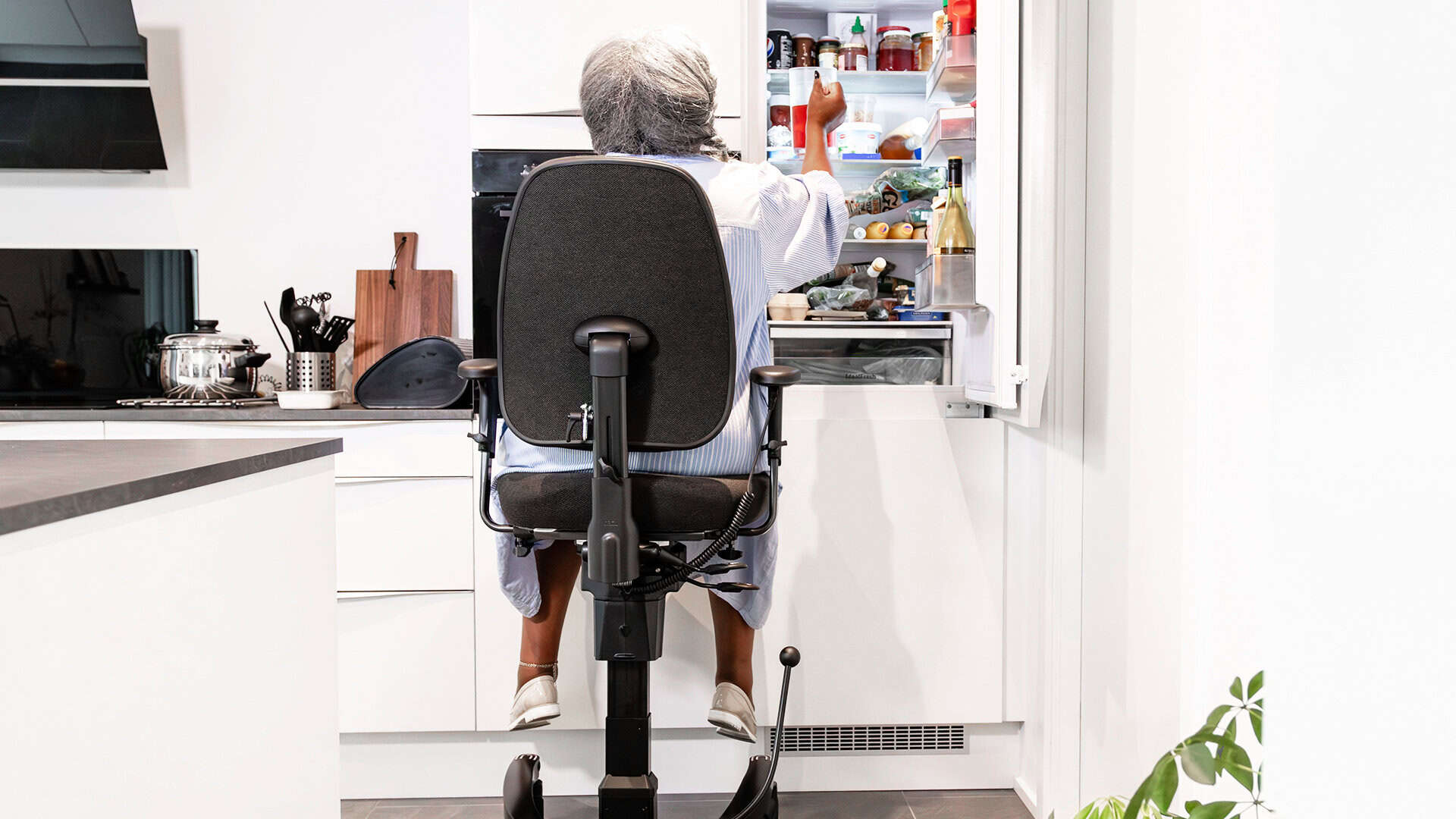
In addressing the challenges associated with traditional nursing homes, it’s essential to consider solutions that enable seniors to remain in their familiar surroundings, fostering a sense of independence. This is where the VELA Independence Chair enters as a notable option. The VELA chair, a medically approved mobility chair, has been designed to enhance safety, facilitate freedom of movement while seated, and support daily activities like cooking, dressing, or transferring — all while reducing the load on informal caregivers. This makes it a vital asset in ensuring dignified and independent living at home.
Digital Assistive Technology Transforming Independent Living
The landscape of independent living for seniors in Dumfries is rapidly evolving through digital assistive technologies. Alongside traditional aids, the latest market trends show a strong shift toward advanced solutions:
- AI-driven and adaptive mobility aids: The newest generation of mobility aids integrates artificial intelligence, sensor technology, and IoT connectivity. Examples include AI-powered wheelchairs that automatically adjust for obstacles and stability, sensor-based walkers with real-time fall detection, and voice-activated controls designed for users with limited dexterity. These technologies significantly improve safety, navigation, and user confidence, supporting independent living at home.
- Smart home and IoT integration: Smart mobility devices and bathroom safety systems now connect with home automation platforms. Pressure sensors in flooring, voice controls that link to household thermostats or lighting, and mobile caregiver applications enable remote monitoring and instant alerts, reducing the risk of falls and supporting rapid emergency response.
- Telehealth and remote monitoring: Wearable health trackers and telehealth-enabled equipment deliver real-time data on vital signs, movement, and medication adherence. These devices strengthen aging-in-place strategies by enabling early intervention, reducing hospital visits, and supporting virtual health coaching and personalized exercise routines.
- Personalized and 3D-printed assistive devices: Advances in 3D printing and biomaterials support ultra-customized wearable robotics and orthoses for mobility and rehabilitation. New devices can be tailored to fit the user precisely, improving comfort and minimizing the risk of pressure injuries.
- Mental and cognitive health innovations: Brain-computer interfaces (BCIs), AI-based health insights, and real-time neurofeedback wearables support both physical and cognitive wellbeing. Music therapy apps and digital companions aid in slowing cognitive decline and enhancing quality of life for those experiencing dementia-related symptoms.
- Adoption and user trends: Demand is rising for compact, foldable, and easy-to-integrate devices that deliver hyper-personalized care. At the same time, task automation through AI helps care staff work more efficiently. Market growth in Europe and the UK is propelled by aging demographics and increased policy support for home care.
- Barriers and regulatory perspectives: Adoption continues to expand but faces challenges such as cost, complexity, and digital literacy. Regulatory and policy trends favor remote monitoring and integrated telehealth as proactive, preventive approaches within mainstream care for older adults.
These technological advancements foster individual autonomy and safety while empowering both seniors and caregivers to manage health and daily living more effectively.
Cyces, Channel Point Village, My Care Concierge, Number Analytics, The Good Life Silicon Valley, AskSAMIE, Seniors Blue Book, ResearchAndMarkets, iHealthcareAnalyst, FactMR, Age in Place Tech
Ensuring Dignified and Independent Living for Dumfries’ Aging Population
Independent living in Dumfries is not merely about providing care but fostering an environment that respects and upholds the dignity of the elderly. From self-directed support initiatives to overcoming rural challenges, and from inclusive community programs to the integration of the latest assistive technologies, the balanced emphasis on autonomy and accessibility ensures a respectful and independent future for seniors. Addressing these needs is vital for the well-being and dignity of Dumfries’ aging population.
With initiatives in motion and community support frameworks paving the way, Dumfries embraces this demographic transition with optimism, focusing on securing a fulfilling life for its senior residents.
Supporting Aging in Place: A Practical Option
For seniors, staying in their own homes represents not just comfort, but a significant part of their identity and independence. VELA Chairs are playing a vital role in this journey. Designed to address safety concerns with features like a central brake, they also promote energy conservation and ease of movement for everyday tasks. The electric height adjustability assists with safe transfers, making daily activities such as cooking and dressing more manageable. Imagining a life with and without a VELA Chair highlights the chair’s impact: with it, seniors experience greater dignity, freedom, and safety, consequently delaying or even avoiding the need to move to a nursing home. While solutions like VELA are not the sole option, they offer a tangible, expert-backed approach to aging in place with dignity and independence.