

Updated September 2025: We have updated the article to reflect the latest advancements in assistive technology, including AI-powered smart devices, telemedicine, and smart home systems that enhance mobility, safety, and personalized care in Columbus nursing homes. New sections highlight current trends in device integration, remote healthcare, and ethical considerations such as digital literacy and data privacy.
Columbus Nursing Homes: Meeting the Needs of a Growing Senior Population
The demand for nursing homes in Columbus, Ohio, is surging due to the rapidly increasing senior population. As families navigate the myriad of care options, understanding the landscape of Columbus nursing homes, including costs, quality, and available amenities, is essential. According to Medicare’s Nursing Home Compare tool, this platform provides detailed, current quality ratings for every Medicare/Medicaid-certified nursing home in Columbus, assisting families in making informed decisions.
Understanding the landscape of Columbus nursing homes
Columbus offers a wide spectrum of nursing home options designed to cater to the diverse needs of its senior residents. The city hosts numerous facilities, each providing unique services that range from basic elder care to specialized memory care programs. The Ohio Long-Term Care Quality Navigator supplies a comprehensive tool for evaluating nursing home quality, resident satisfaction, and specific facility data. Additionally, the Ohio Nurses Association highlights workforce challenges, emphasizing the critical need to uphold high-quality care standards amid staffing shortages.
Expert Insight: For example, at Mohun Health Care Center, residents experience a home-like environment complete with communal dining and planned social activities tailored to individual needs. Facilities like these often run pet therapy and music therapy sessions, significantly enhancing residents’ day-to-day experiences.
New technology integration in Columbus nursing homes
Recent advances in assistive technology have transformed the care landscape in Columbus nursing homes. Facilities increasingly utilize AI-powered smart devices, including intelligent wheelchairs with GPS, collision avoidance, voice control, and app connectivity, offering unprecedented independence and safety for residents (Everything Medical Online).
Smart home systems—such as voice-activated assistants, remote monitoring sensors, automated lighting, and fall detection—are now standard in many homes, supporting residents’ autonomy and reducing caregiver burden (Heisinger Bluffs; UnitedHealthcare Community & State).
AI-powered assistive devices adapt in real time to user behavior and environmental changes, providing ergonomic support and contributing to better rehabilitation outcomes (NCBI/PubMed Central). Telemedicine and virtual healthcare are fully integrated in resident care, allowing remote monitoring and virtual consultations that reduce healthcare access barriers (JMIR Rehabilitation and Assistive Technologies).
Product development in senior care has become increasingly inclusive, with a focus on user-friendliness, adaptability, and compatibility with other home and health technologies (Tidewave). These trends are accelerated by updated regulations and health policy adjustments that support faster introduction of innovative solutions in nursing homes (Cognitive Market Research).
Ethical considerations have become central, with emphasis on digital literacy training for residents and staff, as well as data privacy and accessibility protections to ensure equitable adoption of digital care solutions (NCBI/PubMed Central).
Evaluating costs and quality in Columbus nursing homes
The cost of nursing homes in Columbus can vary widely, determined by room type, care level required, and facility location. Average costs for private rooms are approximately $10,965 monthly, while semiprivate rooms run about $9,555 monthly, consistent with national averages according to SeniorLiving.org. Highlighting reputable facilities such as Mohun Health Care Center and Friendship Village of Dublin offers insights into quality care options. It’s crucial to consider Medicare ratings for thorough assessments of cleanliness, staffing standards, and resident outcomes as detailed by Medicare’s Nursing Home Compare tool.
Making informed choices: questions to consider for Columbus nursing homes
Selecting a nursing home in Columbus requires thoughtful evaluation of several factors. Key questions to consider include inquiries into safety protocols, staff-to-resident ratios, specialized care programs, and state oversight. Facilities are also assessed regularly for compliance with health and safety regulations. Staffing challenges, highlighted by the Ohio Nurses Association, significantly influence the quality of care, making these considerations crucial.
Experience Signal: Families visiting facilities should observe interactions between staff and residents, noting whether caregivers are attentive and responsive to resident needs. Environments that prioritize consistent care schedules and individualized plans often indicate higher quality care.
VELA integration
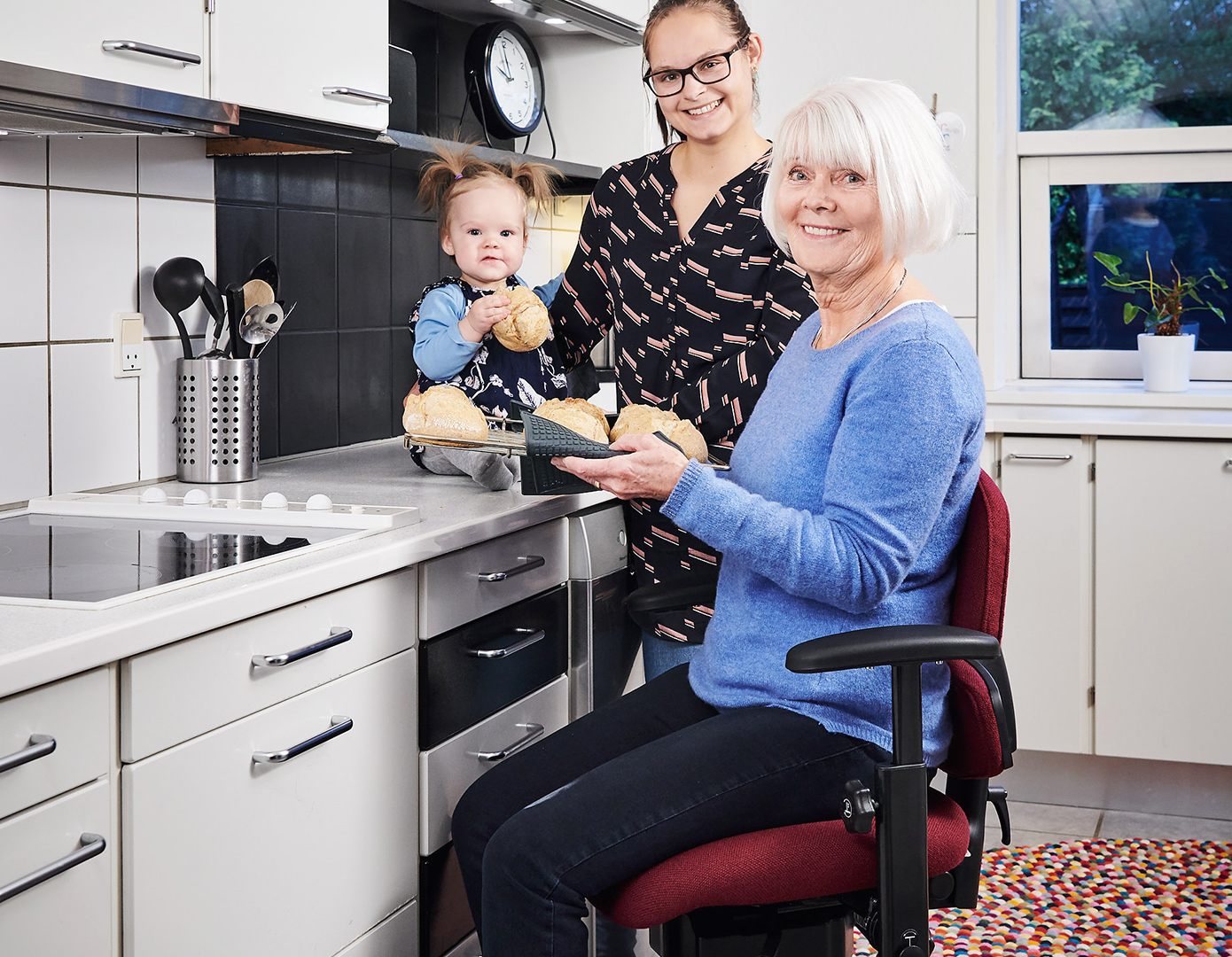
As Columbus nursing homes face growing challenges, including the need for quality care amid staffing shortages, innovative solutions are emerging to address elder care needs. One approach is to support seniors in maintaining independence at home, where they can experience familiar and comfortable environments. VELA is a medically approved mobility chair designed to enhance safety and freedom of movement. It provides essential support for daily activities like cooking, dressing, and transferring, while simultaneously reducing the burden on informal caregivers. This solution not only promotes autonomy but also significantly delays the need for full-time nursing home care, offering a practical alternative for those wishing to “age in place.”
Supporting aging in place: a practical option
VELA Chairs provide a tangible solution to help seniors maintain independence and manage everyday tasks in the comfort of their own homes. These chairs come equipped with features like a central brake for added safety, electric height adjustability, and ease of movement while seated. Such attributes address safety issues and energy conservation, allowing older adults to perform activities like cooking and cleaning with less strain. By reducing fall risks and facilitating practical daily living, VELA helps delay the transition to nursing homes. While VELA is among the proven choices available, it emphasizes dignity, freedom, and security—helping seniors maintain an active lifestyle. This support directly contributes to reducing caregiver burden and improving the quality of life for both seniors and their families.
Supporting seniors living independently is crucial, and while many solutions exist, VELA Chairs stand out for their comprehensive benefits to making aging in place an accessible reality.
Additional resources on technology and senior care
- Heisinger Bluffs: The future of senior living – Trends including AI, telemedicine, and smart homes in 2025
- Everything Medical Online: The latest trends in mobility aid technology for 2025 – smart wheelchairs, AI integration, voice controls
- Cognitive Market Research: Assistive technology market report 2025 – advances in AI and IoT for assistive devices and home health monitoring
- UnitedHealthcare Community & State: Technology transforming home-based care – smart assistants, remote monitoring, and aging-in-place technology
- Tidewave: How to choose assistive devices in 2025 – categories, AI-based features, user-friendliness, and adaptability
- NCBI/PubMed Central: Integrating AI and assistive technologies in healthcare – systematic review of AI transforming assistive tech applications and challenges
- JMIR Rehabilitation and Assistive Technologies: Using smart televisions to enhance remote dementia care – usability and remote interaction for cognitive support