

Updated January 2026: We have updated the article with the latest trends on smart mobility aids (including AI sensors, GPS, and fall detection), the role of robotic exoskeletons and AI-driven predictive analytics in nursing care, recent regulatory changes to CMS quality ratings and staffing requirements, as well as expanded information on telehealth, wearables, and remote monitoring for resident safety and independence.
Overview of Nursing Homes in Houston, TX
As Houston’s population ages, the demand for quality nursing homes continues to grow. With 1,183 licensed nursing homes in Texas, Houston plays a crucial role in delivering long-term care solutions. A significant driver of this demand is Houston’s burgeoning senior population, who require varying levels of care and specialized services. The urban expansion has further amplified the need for certified, thoroughly inspected care facilities in the city. According to Medicare.gov Care Compare, nursing homes in Houston are subject to evaluations focusing on their healthcare compliance standards and quality of care. Locally, testimonials often highlight the value of choosing a facility with a strong reputation for personalized, compassionate care.
How to Evaluate and Choose a Nursing Home in Houston
Choosing a nursing home in Houston involves a comprehensive evaluation of critical criteria, such as ratings, staffing levels, and inspection results. Resources like ProPublica Nursing Home Inspect and Texas Health and Human Services provide essential insights into facilities’ deficiencies and commendations. Families are advised to consider financial planning options, including Medicaid, Medicare, and private pay. Developing a personalized checklist can help assess potential nursing homes effectively, ensuring decisions meet both emotional and financial needs. For instance, families should visit multiple facilities to observe daily routines, meal services, resident engagement activities, and the interaction between caregivers and residents.
As of mid-2025, the Centers for Medicare & Medicaid Services (CMS) has updated its nursing home rating methodologies to focus more on recent inspection surveys and has introduced chain-level performance data disclosure on Nursing Home Care Compare. These regulatory enhancements, alongside updated surveyor guidance regarding medical director responsibilities, medication management, infection control, and admissions, further support families in evaluating facility quality and compliance.CMS.gov CMS.gov Health Industry Washington Watch Reed Smith Center for Medicare Advocacy Medicare Rights Center
Additionally, the rescission of the federal minimum staffing rule (effective February 2026) has delayed 24/7 RN requirements while maintaining requirements for facilities to conduct assessments based on resident acuity.Reed Smith Center for Medicare Advocacy Medicare Rights Center
Costs, Ratings, and Occupancy Trends for Houston Nursing Homes
Understanding the financial landscape of Houston’s nursing homes is vital. According to SeniorLiving.org, the median cost for a semiprivate room is about $5,639 monthly, slightly above Texas’s state median due to its metropolitan nature. Post-pandemic, the occupancy rates have stabilized around 84.7%, indicating a recovery from previous declines. NIC provides insights into these trends. It’s essential for families to understand these dynamics, as higher occupancy rates might impact service quality and staff availability. Conversations with current residents and their families can offer first-hand experiences of the quality and reliability of care.
Note that as of July 2025, COVID-19 vaccination measures have been removed from care facility rating profiles, and greater transparency now exists for owners operating multiple facilities.CMS.gov
With updates to the CMS Five Star Quality Rating System, antipsychotic use is now tracked more closely and recent health inspection performance is more heavily weighted in public ratings.Reed Smith
Specialized Care and Services Offered in Houston Facilities
Houston nursing homes offer an array of specialized services including memory care, rehabilitation, and various therapeutic services tailored to enhance the quality of life. According to Medicare.gov Care Compare, many facilities are now embracing innovations aimed at improving therapeutic outcomes. Recent advances focus heavily on integrating assistive technologies, such as smart wheelchairs with AI-powered controls, GPS functionality, collision avoidance, app-based remote customization, and voice control. These devices are designed to adapt to user behavior and enhance both independence and safety for residents with reduced mobility.Everything Medical Online SynchronyFL Skilled Nursing News In addition to these, robotic exoskeletons are emerging as mobility support devices, reducing the physical burden on caregivers and enhancing resident independence.Skilled Nursing News
Wearable devices now track vital signs and sleep quality, offering real-time health monitoring and alerting healthcare staff proactively.ButterflyMX Telehealth and remote monitoring have become standard practices, providing virtual consultations and ongoing safety tracking, reducing hospital visits and supporting resident autonomy.MyCareConcierge.org AANP
Specialized memory care units use structured environments and evidence-backed activities to support residents with cognitive impairments. Rehabilitation now often incorporates AI-driven predictive analytics to anticipate care needs, detect fall risks early, and enable personalized therapy regimens—leading to improved recovery outcomes and greater sustained independence for residents.SynchronyFL ButterflyMX Skilled Nursing News
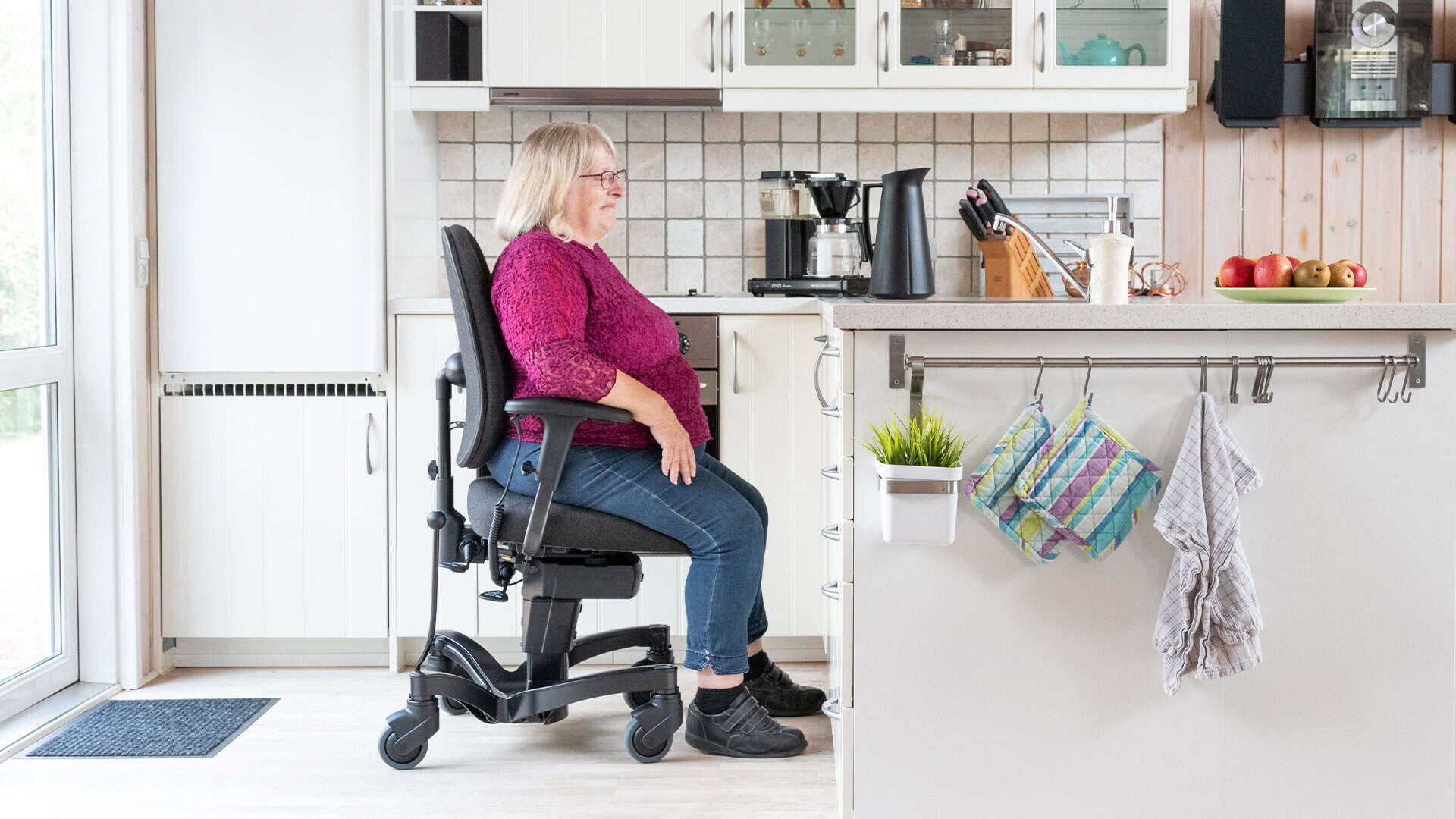
When considering long-term care facilities, many families struggle with the idea of relinquishing their loved ones’ independence. In such contexts, the emerging utility of mobility aids plays a crucial role in fostering autonomy. The VELA Independence Chair, for instance, represents a shift towards technology-driven solutions that aim to keep older adults independent within their homes. This medically approved mobility chair ensures enhanced safety and freedom of movement while staying seated. It supports daily activities such as cooking, dressing, or transferring, effectively reducing the strain on caregivers.
Frequently Asked Questions about Nursing Homes in Houston
- What are the best-rated nursing homes in Houston?
Families and residents can review up-to-date ratings through Medicare.gov’s Care Compare, which now features chain-level operator data and facility inspection outcomes. The most current ratings also emphasize recent survey results and facility performance on antipsychotic use and staffing.Reed Smith - How much does long-term nursing care cost in Houston?
On average, the cost is approximately $5,639 monthly for semiprivate accommodations, with variations depending on the facility and services offered. SeniorLiving.org provides detailed information on costs. - What services and amenities are available in local facilities?
Houston facilities provide a range of amenities, such as memory care, rehabilitation (now regularly utilizing AI, smart mobility aids, and telehealth), recreational activities, and personalized care plans tailored to individual needs. Advanced monitoring and wearable technology are also increasingly standard.ButterflyMX Skilled Nursing News
Final Reflection
Selecting the right nursing home involves evaluating numerous factors, from costs and occupancy trends to specialized services and inspection records. Traditional nursing homes provide vital support, yet exploring alternatives can be beneficial for promoting senior independence. The integration of new technologies—including AI-powered mobility aids, telehealth, predictive health monitoring, and now robotic exoskeletons—enhances both resident autonomy and safety while optimizing staff resources.SynchronyFL ButterflyMX Skilled Nursing News By leveraging tools like checklists, direct visits, and reviewing up-to-date ratings, families are empowered to make informed decisions that offer the necessary care and comfort for their loved ones. Such diligence not only ensures a higher quality of life but also builds a bridge of trust and safety within the chosen environment.
Exploring Alternatives to Nursing Homes
The concept of aging in place has gained traction among seniors who value maintaining autonomy within their homes. Solutions like the VELA Independence Chair make this feasible by addressing core challenges such as safety, energy conservation, and ease of performing everyday tasks. Equipped with features like a central brake for enhanced safety and electric height adjustability for smoother transfers, the VELA chair supports seniors in performing activities like cooking and dressing with dignity and freedom. Next-generation smart mobility aids—including AI-powered wheelchairs with adaptive controls, fall detection, GPS location, and remote customization—further empower seniors in independent living and provide ongoing health monitoring and emergency alerts.Everything Medical Online MyCareConcierge.org AANP Robotic exoskeletons are also beginning to support mobility for those with limited ambulation, lowering dependence on informal caregivers and further delaying potential nursing home admissions.Skilled Nursing News While VELA offers a practical approach, it’s part of an array of options empowering seniors to live independently and comfortably. For more insights into how mobility solutions support elderly care, visit VELA’s dedicated resource page.