

Updated January 2026: We have updated the article with 2026 Humana Medicare Advantage plan details, including expanded skilled nursing facility (SNF) coverage up to 365 days for some plans, updated deductible amounts, enhanced coverage for rehabilitation services and durable medical equipment, as well as new post-discharge supports relevant for those transitioning from nursing home care.
Navigating Humana’s Nursing Home Coverage: A Comprehensive Guide
Understanding the intricacies of nursing home care coverage is vital for Medicare beneficiaries, particularly when considering how key providers like Humana handle such services. Humana, a prominent player in the Medicare Advantage plan market, has expanded its offerings in 2026, with some plans now covering up to 365 days of skilled nursing facility care per benefit period, and in some cases, no longer requiring a prior three-day hospital stay. This enhancement represents a significant shift from the traditional 100-day limit under Medicare Part A, aligning with evolving CMS guidelines for broader skilled nursing care access (Humana 2026 Summary of Benefits).
Understanding Humana’s Skilled Nursing Facility Coverage
Humana’s 2026 coverage offerings include both the legacy 100-day benefit period under specific plans, as well as expanded options for up to 365 days of skilled nursing facility care with no minimum hospital stay in select Medicare Advantage plans. Beneficiaries must meet certain clinical conditions, such as requiring daily skilled nursing care. Covered services remain limited to rehabilitation and skilled medical needs; long-term custodial care is not covered. It is essential to distinguish between Humana’s Medicare Advantage plans, which now may include extras such as nonemergency transport, enhanced rehab, and medical equipment, and Medigap plans which continue to supplement Original Medicare coverage. Plan specifics, such as service areas and specialty needs (like institutional SNPs for nursing home residents with chronic conditions), should be verified for each individual’s locale (Healthline; Humana 2026 Summary of Benefits).
Navigating the Costs of Humana Nursing Home Care
The financial aspect of Humana’s nursing home coverage has changed for 2026. Deductibles have increased, with Medicare Part A deductible at $1,736 per benefit period and Part B at $283. Out-of-pocket maximums for select Medicare Advantage plans have risen to as much as $2,100. For most plans, the initial 20 days of skilled nursing care require no coinsurance; daily coinsurance may apply from day 21. Costs vary among specific plans, so reviewing exact copayments and coverage durations is crucial. Some 2026 plans offer $0 copays for SNP enrollees in nursing homes, as well as additional value-added services like post-discharge home meals and private duty nursing ($1,736/$283 Deductibles; Healthline; Humana 2026 Additional Benefits).
Details and Requirements of the Coverage
Navigating the specifics of Humana’s coverage can prevent unexpected surprises. Starting in 2026, many Humana Medicare Advantage plans no longer require a three-day inpatient hospital stay before SNF admission; however, Original Medicare and some plans may still require it and certificates of medical necessity. Once the covered period—up to either 100 days or 365 days, depending on plan—concludes, payment options such as Medicaid or private pay become critical. The benefit period may restart if there is a 60-day break in skilled care, depending on the plan’s structure. Notably, Humana’s Medicare Advantage plans do not cover true long-term custodial care. Beneficiaries should identify ZIP-specific plan details to confirm benefits and exclusions (Humana; Humana 2026 Summary of Benefits).
Recent Advancements in Nursing Home Care
Recent trends in nursing home care emphasize person-centered and holistic approaches, with a stronger focus on personalized care plans that address individual needs and preferences. Cleanliness and staff engagement are increasingly recognized as essential factors for quality care, with new regulatory initiatives, such as risk-based survey protocols introduced by CMS, aiming to improve resident safety by prioritizing quality facilities and closely monitoring care standards (CMS Website).
Innovative assistive technologies are increasingly integrated within nursing facilities. Modern advancements include the use of smart sensor-based fall prevention systems, AI-driven personalized rehabilitation plans, and highly adaptive assistive devices, such as robotic mobility aids and customizable seating solutions. These devices are designed to support ergonomic posture, enhance mobility, and help prevent pressure injuries (Sterling Care Home Health Services Guide 2025). Telehealth and AI-assisted remote monitoring now play a key role in optimizing rehabilitation outcomes, improving accessibility, and tailoring recovery plans to the individual’s unique needs (Lisclare 2025).
Facilities are updating their environments with wellness-focused and inclusive design elements, such as increased natural lighting, accessible green spaces, and social engagement platforms. These changes enhance quality of life, foster social interactions, and support the mental and emotional well-being of residents. Clinical guidelines now highlight the importance of personalized fall prevention strategies, ongoing risk assessments, and regular staff training to reduce injury rates (Lisclare 2025; Justice in Aging 2025).
Exploring Post-Coverage Options and Alternatives
As Humana’s skilled nursing coverage concludes, exploring alternatives remains vital. For those who qualify, transitioning to long-term care through Medicaid presents a viable option. Others might need to rely on private pay solutions. Additionally, home care strategies are gaining momentum, supported by products like VELA chairs and other innovative assistive devices. Adaptive technologies, including powered mobility aids and ergonomic seating, foster independence and may help reduce future nursing home dependency. For 2026, certain Humana plans now include coverage for durable medical equipment, private duty nursing, and post-discharge supports such as home care or medically tailored meals to help bridge recovery at home after a facility stay (Humana 2026 Summary of Benefits; Humana 2026 Additional Benefits).
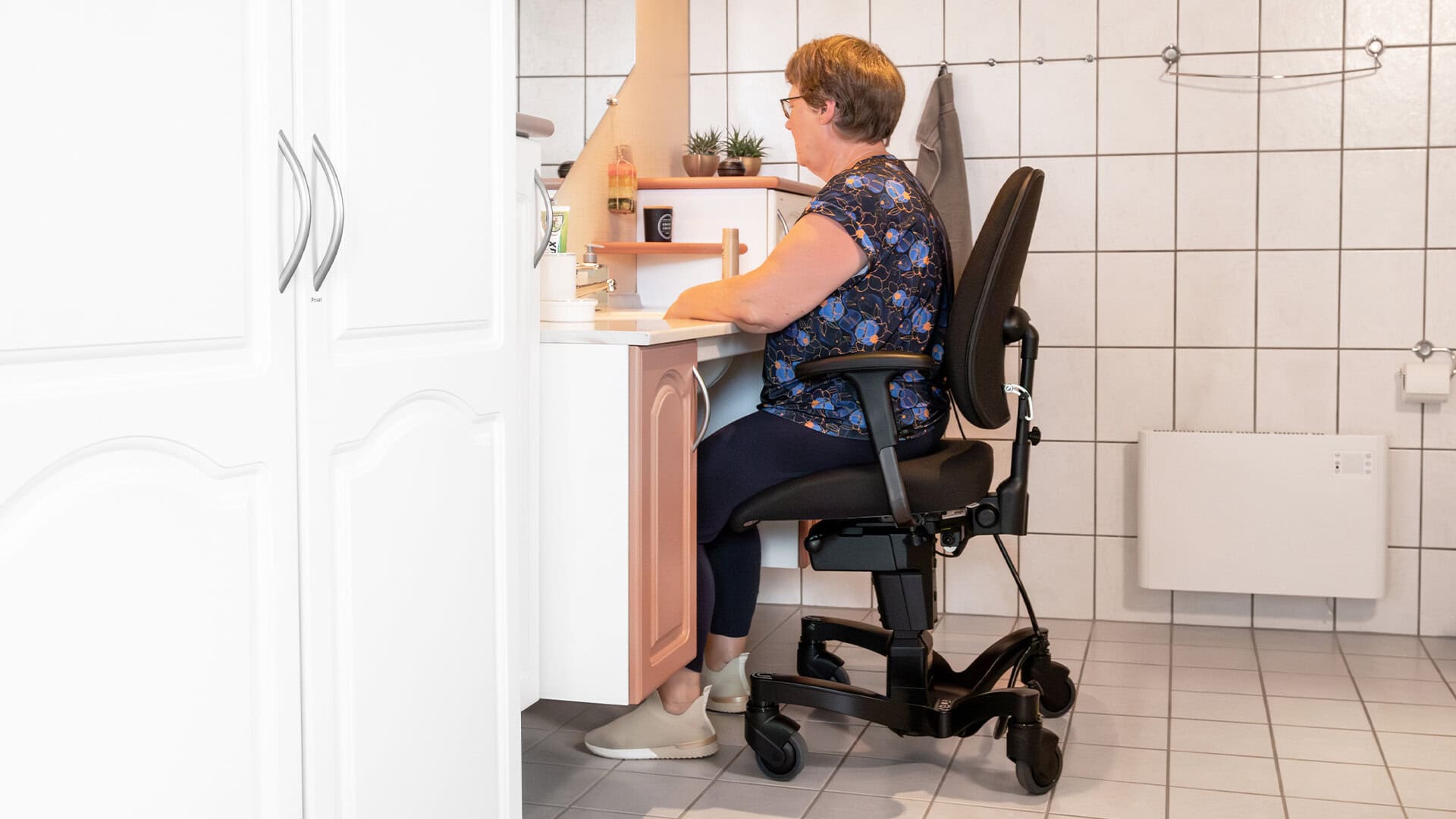
One such solution is the VELA Independence Chair, which offers a medically approved mobility option for use at home. This chair not only enhances safety and freedom of movement while seated but also supports daily activities like cooking, dressing, or transferring without the constant need for caregiver assistance. By providing these benefits, the VELA chair helps older adults maintain dignity and independence, ultimately reducing the load on informal caregivers.
Supporting Aging in Place: A Practical Option
While nursing homes provide essential care, many older adults prefer aging in place, surrounded by familiar environments. Maintaining independence at home is facilitated by mobility solutions like the VELA Independence Chair, as well as other modern technologies, such as smart fall prevention and telehealth-enabled rehabilitation programs. The chair offers features such as a central brake for safety, electric height adjustability, and easy movement while seated, all of which can significantly enhance daily living and reduce caregiver stress.
Tasks like cooking, cleaning, or simply relaxing become more manageable, preserving energy and reducing the physical strain on caregivers. By lessening fall risks and supporting safe transfers, the VELA chair not only promotes safety but also delays the need for nursing home care. Newer guidelines also recommend that providers prioritize dignity, autonomy, and personal choice in care planning, and that reasonable accommodations be made for individual preferences (Justice in Aging 2025). While not the only solution, VELA stands as a proven, practical option that fosters dignity and autonomy in everyday life. For more on enhancing independence at home, visit Enhancing Independence at Home. For additional safety measures for elderly mobility, see Safety Measures for Elderly Mobility.