

Updated September 2025: We have updated the article to reflect the latest advances in assistive technology, including the growing adoption of AI-driven mobility aids, smart sensor environments, and virtual reality-based rehabilitation within skilled nursing facilities. Information on recent regulatory endorsements for technology integration and current user and staff perspectives on digital assistive solutions have also been added, ensuring a more comprehensive overview of best practices and innovations in long-term care.
Orchard Villa Nursing Home: A Comprehensive Overview
When considering a nursing home for a loved one, understanding the quality and services offered is critical. Orchard Villa Nursing Home, situated in Oregon, Ohio, is a prominent facility with a capacity of 136 beds. However, according to Medicare.gov Care Compare, it holds a Medicare rating of 2.0 out of 5 stars, highlighting areas that may need improvement. In this article, we explore the facility’s offerings, quality measures, and resident experiences—now including recent developments in assistive technology and rehabilitation—to provide an insightful perspective on its operations.
Discovering Orchard Villa Nursing Home: Location, History, and Services
Located at 2841 Munding Drive, Oregon, Ohio, Orchard Villa has been part of the Medicare and Medicaid landscape since July 16, 1996. The nursing home provides both short-term rehabilitation and long-term care options, serving a variety of health needs. With accommodation for 136 residents, it surpasses state and national averages in size, positioning itself as a significant player in Ohio’s nursing home sector (The Nursing Home Site).
Comprehensive Care and Amenities at Orchard Villa
Orchard Villa offers a wide range of medical and nursing care services. The facility is equipped to support varied health requirements, from skilled nursing to hospice care. Rehabilitation services are one of its standout features, featuring an in-house therapy gym and private suites to enhance the recovery experience. Building on traditional therapy, recent advancements have introduced technology-based options such as AI-powered mobility aids, robotic exoskeletons, and sensor-embedded environments for proactive resident monitoring and fall prevention. These innovations are increasingly recognized and supported in skilled nursing settings, improving safety and autonomy for residents. Additionally, personalized rehabilitation programs now often incorporate virtual reality (VR) and tele-rehabilitation approaches, which are clinically supported to enhance mobility and recovery even for those with significant functional limitations. Additional amenities include a chapel and a variety of therapeutic options, underscoring the facility’s dedication to comprehensive and contemporary resident care (Seniorly.com; PubMed; Mayo Clinic; World Health Organization).
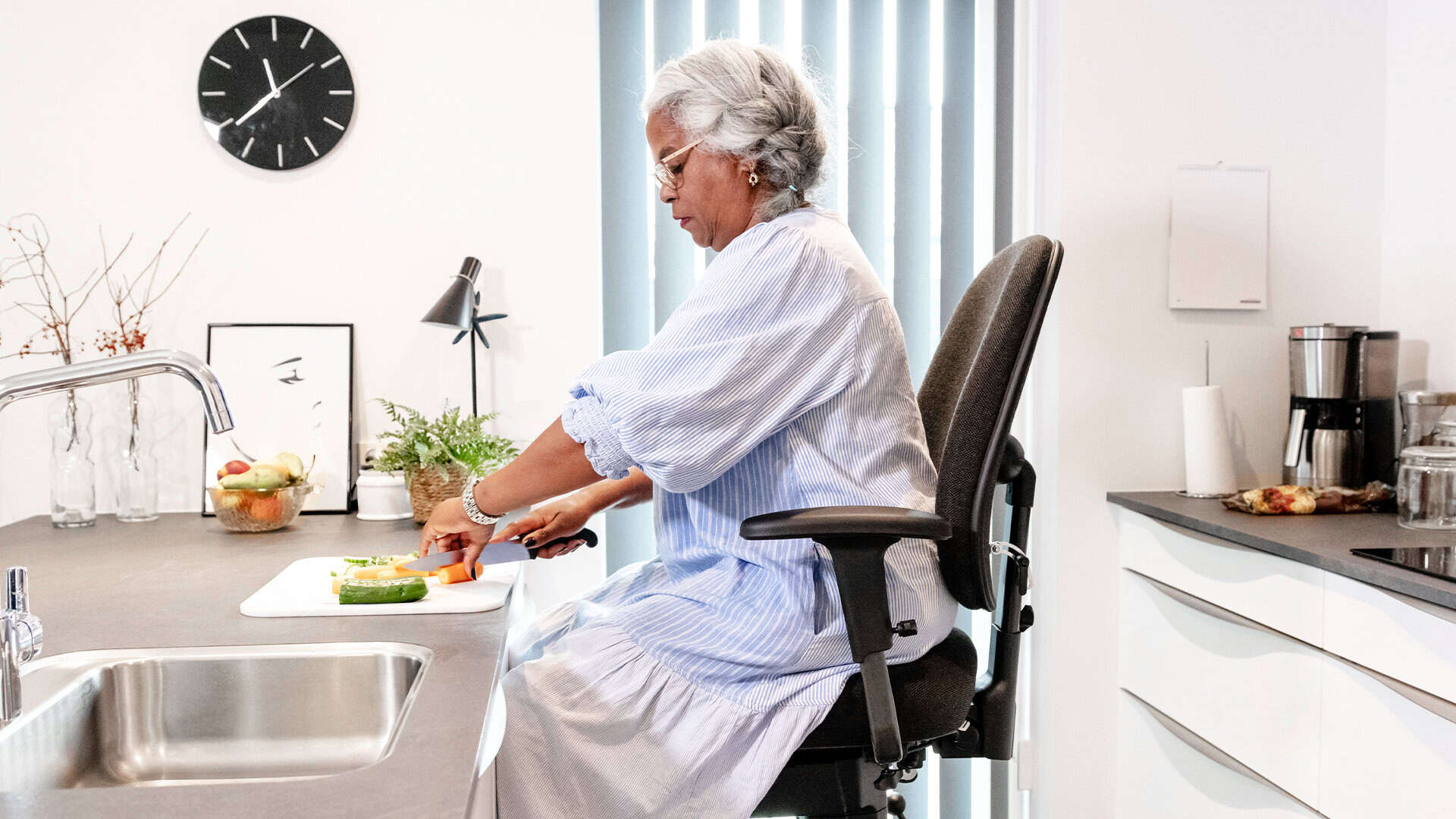
For families evaluating safety and independence, adaptive solutions can complement the care provided by nursing homes like Orchard Villa. One such option is the medically approved VELA mobility chair, designed for use at home. This chair improves safety, allows freedom of movement while seated, and assists in daily activities like cooking, dressing, or transferring, easing the responsibilities of informal caregivers. Such adaptive aids provide alternative ways to support older adults’ independence, align with safety requirements, and possibly reduce the need for nursing home transitions. The growing trend toward universal design and inclusive products further supports resident comfort and independence, ensuring that assistive solutions cater to a wide spectrum of abilities (Harvard Medical School; WHO).
Evaluating Quality: Ratings and Performance at Orchard Villa
Understanding the quality of a nursing home can significantly impact a family’s decision. Orchard Villa’s 2.0-star Medicare rating indicates areas needing development, particularly when compared against state and national averages. This rating reflects its staffing levels, inspection outcomes, and general operational efficiency. The facility also faces new expectations with updated regulatory guidance encouraging the integration of digital health tools and remote monitoring for enhanced safety and outcomes in post-acute and long-term care (Caring.com; CMS.gov; Health Affairs). According to recent guidelines from government and professional associations, technology adoption is becoming a key measure of quality and future readiness.
Resident Perspectives: Experiences and Feedback at Orchard Villa
Resident feedback is invaluable for understanding the everyday realities within Orchard Villa. Testimonials often note the dedication of the staff and the variety of activities offered. However, concerns regarding aspects like food quality and facility upkeep have been raised. With the introduction of digital assistive technologies and sensor-based environments, both residents and caregivers report increasing acceptance, while emphasizing the significance of clear staff training and ease of use for successful technology adoption. These perspectives add a personal dimension to the institutional data, helping families evaluate the environment’s suitability for their relatives (Caring.com; NIDILRR).
How Mobility Solutions Like VELA Make a Difference
Staying independent at home longer is a desirable outcome for many seniors, and innovative solutions like VELA Chairs make this more achievable. These chairs significantly enhance safety with a central brake, offer electric height adjustability, and support ease of movement while seated. These features reduce strain on caregivers and may delay the need for a move to nursing homes. By aiding in everyday activities like cooking or relaxing, the chairs promote not just independence but also dignity and safety. While not the only solution available, they represent a compelling, practical option for many seeking to maintain autonomy and comfort in their own homes (mobility solutions for seniors).
- PubMed: Recent clinical trials and reviews on AI-assisted mobility aids and VR rehabilitation therapies in geriatric care (search for papers published post-May 2025)
- Centers for Medicare & Medicaid Services (CMS) updates on post-acute care technology guidelines (CMS.gov)
- World Health Organization (WHO) reports on assistive technology innovation and inclusive design in aging populations (WHO.int)
- Mayo Clinic research updates on rehabilitation devices and patient-centered care technologies (MayoClinic.org)
- National Institute on Disability, Independent Living, and Rehabilitation Research (NIDILRR) publications on assistive technology adoption trends in nursing homes
- Harvard Medical School geriatrics and rehabilitation research on ergonomic design improvements in eldercare products and environments (Harvard.edu)
- Health Affairs journal articles on health policy shifts favoring digital health tools in long-term care (HealthAffairs.org)