

Updated January 2026: No new substantial changes have been made to the article, as the most recent research did not provide relevant updates on assistive devices, ergonomic design, rehabilitation practices, or inclusive product development. The article continues to reflect the latest available information from August 2025.
Navigating Roseville Nursing Homes
Choosing a nursing home is a significant decision for families and seniors seeking long-term care. In Roseville, California, the task is made easier through resources that rank and review nursing facilities, focusing on quality care, amenities, staffing levels, and costs. A facility that stands out is the Roseville Care Center, recognized in Newsweek’s Best Nursing Homes in 2025.
Evaluating nursing homes like the Roseville Care Center involves examining statistics and external validations. According to Medicare.gov, these are valuable starting points for families exploring options in the area.
A Closer Look at Nursing Homes in Roseville, CA
Roseville, nestled in Placer County, offers several nursing home options, benefiting from its proximity to top healthcare services. This strategic location is essential for residents requiring frequent medical attention. Medicare provides detailed data on each facility’s ratings, helping potential residents evaluate health inspections, staffing efficiency, and quality of life.
Discovering Top-Rated Nursing Facilities in Roseville
Among top-rated facilities, the Roseville Care Center and Roseville Point Health & Wellness Center offer premium care. The Roseville Care Center, noted for its holistic approach, features 210 certified beds and a comprehensive rehabilitation gym. ProPublica highlights Roseville Point’s commendable nurse-to-resident ratio, emphasizing personalized care.
Evaluating Staffing and Quality of Care in Roseville Nursing Homes
Staffing levels have a critical impact on the quality of care in nursing homes. At the Roseville Care Center, the nurse turnover rate is 51.1%, higher than the state average of 41.1%, as reported by ProPublica Nursing Home Inspect. Understanding staffing dynamics is vital for assessing continuity and quality of care, influencing resident satisfaction and health outcomes.
Recent regulatory updates from the Centers for Medicare & Medicaid Services (CMS), effective April 2025, have strengthened oversight of staffing requirements and quality of care in nursing homes. The revised CMS guidance emphasizes safer transfers for residents, stricter controls on the use of psychotropic medications, and improved monitoring of staffing through Payroll Based Journal (PBJ) data. Facilities are required to maintain transparency in staffing metrics, and there is a renewed focus on health equity and resident rights in quality assessments. Public reporting on Nursing Home Care Compare has also been updated as of July 2025 to provide greater transparency on facility- and chain-level performance metrics.Sandberg Phoenix, 2025 Palmetto GBA, 2025 AHCANational, 2025
Navigating Cost Considerations for Nursing Homes
Financial planning for nursing home care in Roseville involves understanding costs, which vary based on services. Facilities, like the Roseville Care Center, provide information on payment options, including Medicare and Medicaid coverage limitations and advantages, as described by Medicare. Evaluating these factors ensures well-informed planning for stays.
Supporting Aging in Place: A Practical Option
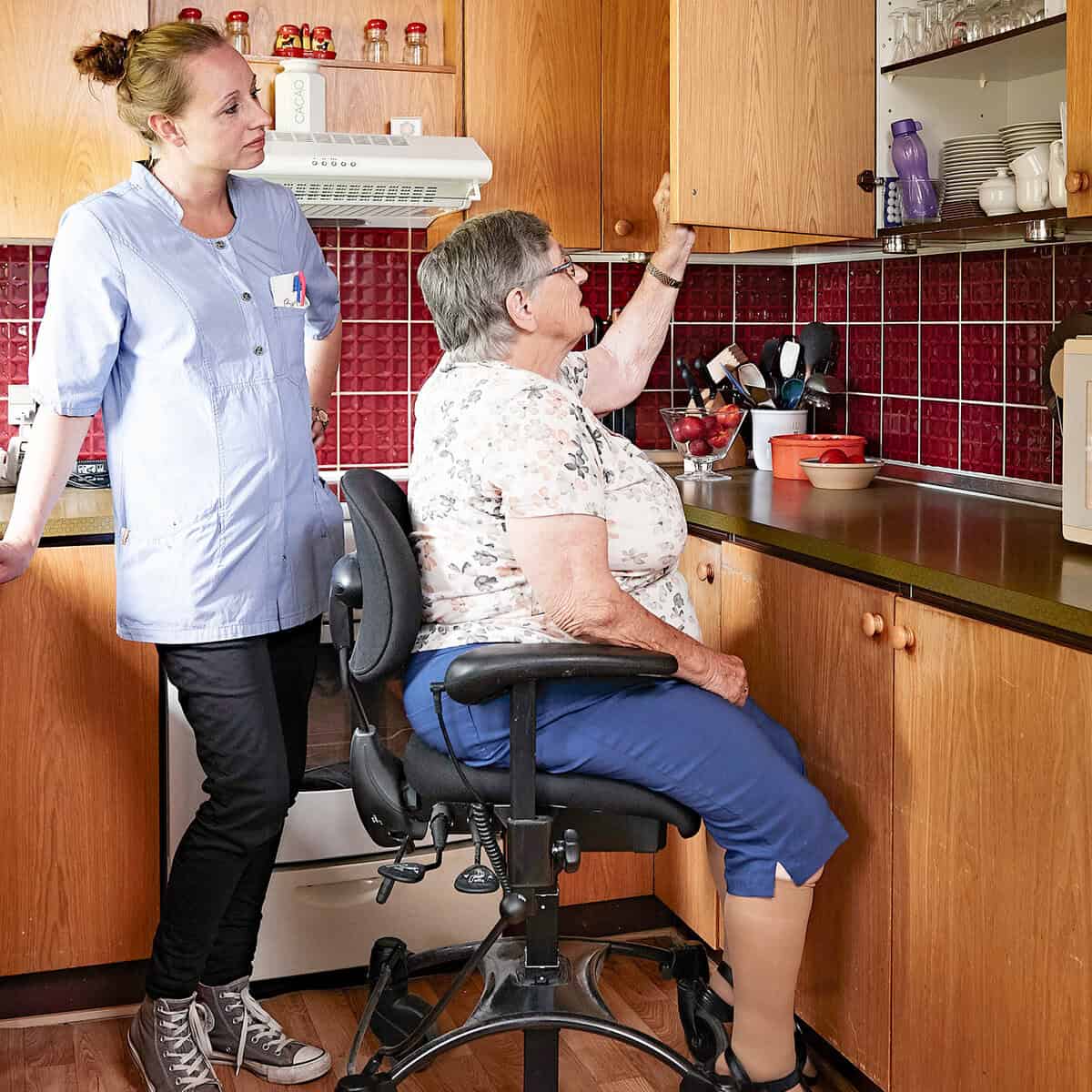
Mobility solutions like VELA Chairs empower seniors to maintain independence within their homes. Features like a central brake and electric height adjustability enhance daily living by making transitions safer, offering comfort and dignity, which reduces potential reliance on nursing home care.
As of 2025, rapid advances in assistive technologies have transformed options for those seeking to age in place. AI-powered smart wheelchairs now offer features such as GPS navigation, collision avoidance, real-time health monitoring, and voice controls, allowing for enhanced autonomy and safety. Voice-activated home automation and smart medication dispensers enable seniors and individuals with disabilities to manage their daily routines with less need for direct caregiver assistance. In addition, smart mobility aids are increasingly personalized to adapt to users’ movement patterns, improving comfort and functionality. Rehabilitation practices now integrate remote monitoring and AI-driven fall detection systems to proactively manage safety and well-being at home or in care facilities.SynchronyFL, 2025 Everything Medical Online, 2025
While VELA is a proven option, it’s essential to consider various mobility aids as part of a comprehensive strategy to age in place effectively. Some focus on fall prevention and improved mobility, aligning with elder care facilities’ efforts to enhance resident safety. For more insights, explore fall prevention strategies.
The journey to finding the right solution lies in balancing the quality of care provided by nursing facilities with innovative tools empowering seniors at home.
SynchronyFL, 2025
Sandberg Phoenix, 2025
UnitedHealthcare Community & State, 2025
Palmetto GBA, 2025
Everything Medical Online, 2025
Hall Render, 2025
AHCANational, 2025