

Updated February 2026: We have updated the article with new findings on AI-driven assistive technologies, smart home devices, robotic exoskeletons, and recent trends in tech-enabled nursing home care, including real-time monitoring, predictive analytics, and the evolving use of virtual therapy and value-based models.
Understanding Nursing Homes in Vienna, VA
As the demand for quality senior care continues to rise in Vienna, VA, a suburb famed for its proximity to Washington, D.C., families are increasingly seeking the best options for their loved ones. Approximately 15% of Vienna’s 16,300 residents are seniors, underscoring the urgent need for accessible and high-quality nursing homes. With monthly nursing home costs ranging between $7,050 and $7,348, which exceed the state’s average rates, understanding how to choose the right facility becomes critical. This article explores nursing homes in Vienna, their services, costs, and factors to consider when selecting a facility.
Overview of Nursing Homes in Vienna, VA
Vienna’s appealing community and strategic location make it an attractive place for senior living. The demand for senior care is fueled by these factors along with a robust infrastructure that supports aging residents. Key facilities in and around Vienna include Sunrise of Vienna, Cherrydale Health and Rehabilitation Center, and Iliff Nursing and Rehabilitation Center. Understanding Medicare ratings, such as those provided by Medicare.gov Care Compare, is essential, as they benchmark facility compliance and quality of care, offering families a reliable tool for assessing nursing home options.
Comparing Top Nursing Home Facilities in Vienna
When comparing nursing homes, both services offered and client satisfaction must be considered. According to APlaceForMom.com, Cherrydale Health and Rehabilitation Center stands out with a five-star rating for its rehabilitative and skilled nursing services. Sunrise of Vienna, primarily an assisted living facility, is lauded for its safety and emergency preparedness. Iliff Nursing and Rehabilitation Center, with its emphasis on memory care and skilled nursing services, illustrates the importance of thorough research and site visits to provide families with peace of mind.
Costs, Services, and What to Expect from Vienna Nursing Homes
Costs are a primary consideration when choosing a nursing home, and Vienna’s rates tend to surpass the state average due to its affluent community. The Genworth 2024 Cost of Care Survey reports that semi-private and private nursing home rooms cost $9,247 and $10,190, respectively, in Virginia, emphasizing the need for careful budgeting when planning for long-term care. Services available in Vienna nursing homes range from general nursing care to specialized memory and veteran’s care, often providing comprehensive programs that cater to diverse needs and ensuring residents receive personalized care plans tailored to their health requirements and preferences.
The landscape of senior care in Vienna and beyond continues to evolve with the integration of advanced technologies. Since 2025, a new wave of AI-driven assistive technologies has emerged, including wearable sensors for fall detection and predictive analytics to help prevent issues like pressure ulcers and infections in nursing homes.[1][6] Despite current adoption rates of AI remaining relatively low in nursing homes (4.5% as of 2025), the trend is accelerating into 2026 as facilities increasingly implement technologies that enable real-time monitoring, gait analysis, and vital sign tracking.[1][2][4][6] In addition to established solutions such as wearable health devices and smart home features—voice-activated assistants, motion-sensor lighting, smart medication dispensers, and remote monitoring—facilities are now adopting robotic exoskeletons and virtual therapy models, supporting rehabilitation at home and in clinical settings.[2][3][4][6]
Recently, smart home devices such as voice-activated door openers, automated lighting, and sensor-based monitoring systems have been recognized for their ability to enhance independence and safety, reducing hospitalizations and allowing residents to stay engaged with daily life.[2][3][6] Remote monitoring technologies, including advanced sensors and real-time analytics, continue to help map resident movements, prevent accidents, and identify environmental hazards. Telehealth has further expanded, connecting residents to routine and specialized care, while proactive, value-based care models and personalized care plans are now becoming more common, reflecting the consumer-driven shift in upscale nursing homes.[2][3][4][6]
These digital advancements directly respond to ongoing challenges in affordability and workforce shortages in elder care; technology solutions help streamline operations, support staff efficiency, and maintain a high standard of person-centered care.[3][6] As digital health tools become central to senior living environments, privacy, ethical, and regulatory considerations—particularly regarding sensitive health data from AI-powered systems—remain top priorities.[1][7] Feedback from users and experts continues to highlight the importance of staff training and thoughtful implementation to ensure successful and equitable use of such innovations.[1][6]
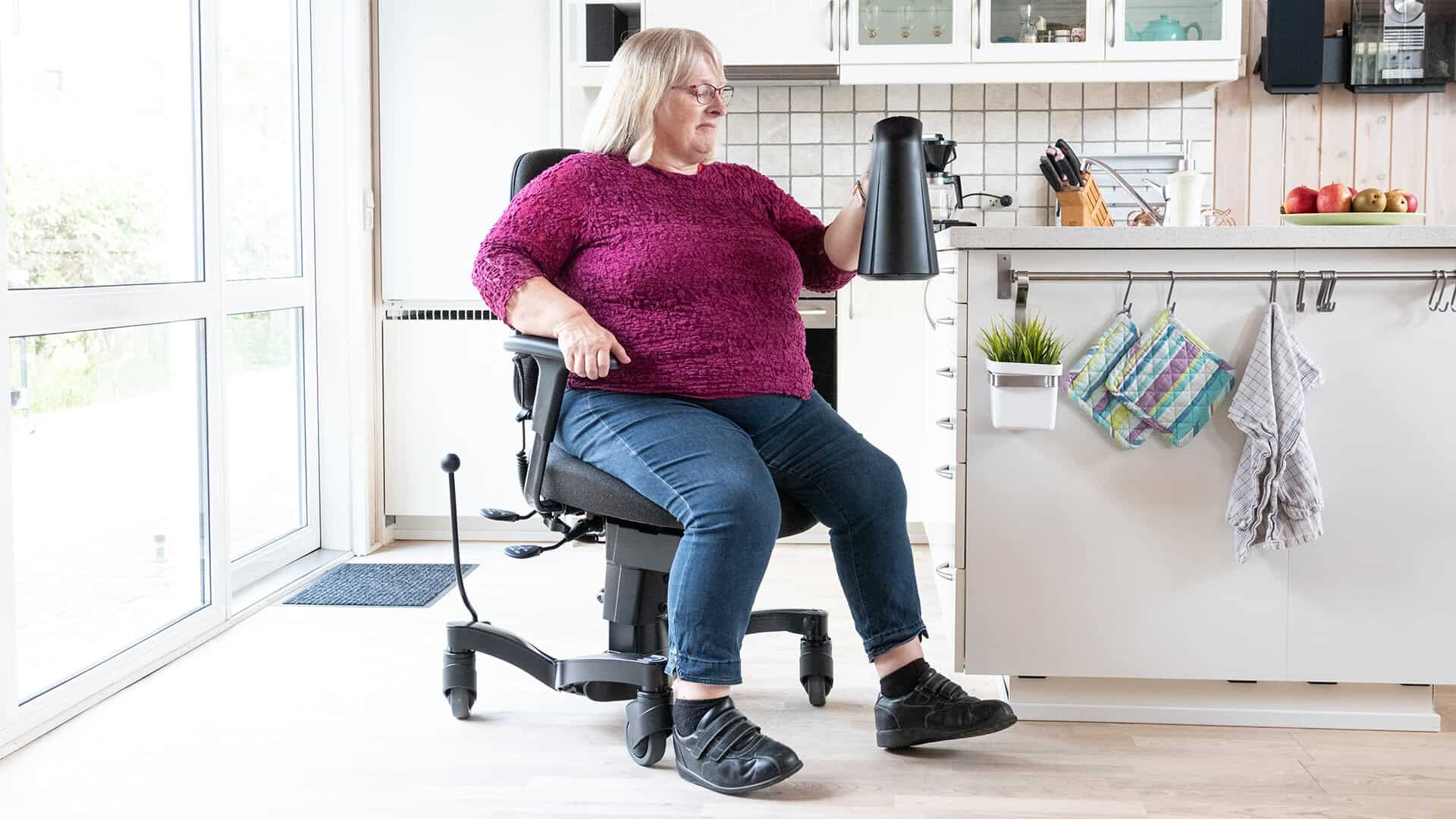
In the search for alternatives to traditional nursing home care, families are considering solutions that allow older adults to maintain their independence at home. One such option is the VELA Independence Chair, a medically approved mobility chair designed to enhance safety and freedom of movement while seated. This innovative chair supports various daily activities like cooking, dressing, or transferring, all while significantly reducing the physical load on informal caregivers. VELA chairs offer an effective way to potentially delay the need for nursing home care by improving the quality of life for seniors in their own homes.
Selecting the Right Nursing Home: What Families Should Know
Selecting a nursing home requires careful evaluation and understanding of the services and care standards each facility offers. Visiting prospective homes to observe the environment and interact with staff is advisable. Families should leverage tools such as Medicare.gov Care Compare for facility comparisons and review sites for insight into current residents’ and their families’ experiences. A practical checklist can include questions about staff-to-resident ratios, service variety, and emergency response standards. Additionally, understanding the role of Medicare ratings can guide families in making informed decisions about their loved one’s care.
It is equally important to explore how facilities use emerging technologies—like AI-driven assessments, wearable fall detectors, and real-time remote monitoring—to support safety, communication, and timely interventions. Inquire about tech-supported services, including smart home features such as smart locks, automated and voice-activated door openers, and motion-sensor lighting, as well as robotic mobility aids, exoskeletons, and staff/resident training programs.[1][2][3][4][6] Ask about virtual therapy and how personalized care plans, supported by predictive health analytics, are used to enhance quality of life and support rehabilitation. Families should also weigh regulatory compliance and transparency about how sensitive health information is managed, especially as digital health tools become central to modern senior living.[1][3][6][7]
In summary, selecting a nursing home in Vienna involves balancing cost, quality, and personalized care. While it’s crucial to consider traditional facility options, exploring alternatives such as home care with adaptive technologies is equally important. By thoroughly evaluating all possible options, families can secure the best possible environment for their aging loved ones. Through informed decision-making, complemented by innovative solutions like VELA chairs for enhanced mobility and independence, it is possible to enrich the quality of life for seniors.
Supporting Aging in Place: A Practical Option
Staying independent at home is increasingly preferred by many seniors, and technologies like the VELA Independence Chair are making this more feasible. These chairs offer features crucial for enhancing safety and independence, such as a central brake for stability and electric height adjustability that aids in easier transfers and daily activities like cooking or cleaning. The ease of movement while seated helps conserve energy and maintain dignity, potentially delaying the transition to a nursing home. This not only supports the elderly in their desire for autonomy but also alleviates some of the burdens on family caregivers. While VELA chairs are just one option, they represent a practical choice for those seeking to age in place effectively. For more information, you can explore ergonomic mobility solutions for seniors that further illustrate these benefits.
References
- Skilled Nursing News: Top Trends That Will Shape the Skilled Nursing Sector in 2026
- All Seniors: Latest Trends in Home Health for Elderly Caregivers 2026-2027
- UnitedHealthcare Community & State Blog: How Enabling Technology is Transforming Home-Based Care
- American Association of Nurse Practitioners: Top Five Health Care Trends for 2026
- CLAC Connect: Senior Living and Care: Four Key Drivers of Activity in 2025
- Provider Magazine: Long Term Care 2026 Trends and Outlook
- Synchrony Home Care: The Future of Home Health Care: Trends to Watch in 2025
- ButterflyMX: Senior Living Technology Trends 2025: Shaping the Future of Care
- McKnight’s Long Term Care News: Experts look ahead: Technologies that will help long-term care providers in 2025 and beyond
- Association of Health Care Journalists: 2025 Health IT trends: Emerging technologies, AI remain prominent