

Updated February 2026: We have updated the article with new information on the launch and adoption of WanderGuard Blue, which uses Bluetooth Low Energy (BLE) technology and a mobile app for system management. We have clarified recent regulatory changes, including the December 2025 repeal of federal minimum nursing home staffing requirements, and expanded coverage of system integration, dignity-focused wearable design, and industry adoption metrics.
Updated October 2025: We have updated the article to reflect the latest advancements in wander management systems, including Bluetooth Low Energy (BLE) technology, app-based management for improved integration, updated regulatory and policy guidance with person-centered dementia care, modern ergonomic wearable designs, and enhanced safety practices for nursing home environments.
WanderGuard Systems for Nursing Homes: Ensuring Safety and Freedom
The safety and security of nursing home residents with cognitive impairments such as Alzheimer’s and dementia are pressing concerns. Wander management systems, notably the WanderGuard system, have become vital in addressing these challenges. According to Securitas Healthcare, 60% of dementia patients are prone to wandering, highlighting the urgent need for these systems. Accutech Security corroborates these findings, emphasizing the financial and emotional risks associated with wandering incidents. This article explores how wander management systems work, their benefits, and best practices for implementing them in nursing homes.
Understanding Wander Management Systems in Nursing Homes
Wander management systems like WanderGuard are crucial in ensuring resident safety in nursing homes. For over 25 years, these systems have reliably prevented wandering incidents that could lead to severe injury or fatality. Securitas Healthcare describes how the technology integrates alerts, sensors, and wearables to form a comprehensive safety net for residents. In scenarios where dementia is prevalent, with 60% of patients likely to wander, these systems transition from convenience to necessity. Certified installers and legal experts stress the importance of integrating such technology into care plans due to the substantial risks posed by wandering. Recent trends in wander management now expand upon these principles, focusing on technology that not only protects residents but also preserves their dignity and autonomy. Modern systems emphasize inclusive design, movable and discreet wearables, and workflow-friendly alerts that support a compassionate care environment.
Sources:
Securitas Healthcare, Accutech Security
How WanderGuard and Similar Systems Work
WanderGuard and similar systems utilize core components, including wearable bracelets, door sensors, and alert systems, to effectively monitor and secure residents. Per Accutech Security, modern systems primarily use integrated RFID and Bluetooth Low Energy (BLE) technology, providing enhanced accuracy, reliability, and a significant reduction in false alarms compared to older generations. Sleek, ergonomic wearables resembling fitness bands—rather than traditional bulky tags—improve comfort and resident acceptance. The latest advance, WanderGuard Blue by Stanley Healthcare, launched in 2025, employs BLE wireless communication and app-based management for door controllers and resident tags. This marks a major technological evolution, offering operational flexibility, integration with UL294-compliant access control, and compatibility with Stanley’s Arial Emergency Call solution for advanced reporting and notifications. As of 2026, WanderGuard systems have been adopted by over 9,000 senior living communities, demonstrating strong market trust and scalability.
These systems are engineered for seamless integration, not only with a facility’s stationary security and nurse call systems but also with mobile devices and cloud-based monitoring that facilitate real-time responses to alerts. This enables staff to act promptly and effectively when incidents are detected, while reducing workflow interruptions and maintaining focus on resident care. Feedback from nursing home staff and technical experts highlights the operational effectiveness of these systems in preventing potential elopement incidents.
Sources:
Securitas Healthcare, Accutech Security, McKnight’s Senior Living, Securitas Healthcare
Benefits of Modern Wander Management Solutions
The benefits of advanced wander management solutions extend beyond incident prevention. They ensure resident safety while allowing a sense of independence and freedom of movement, crucial for dignity and quality of life. From a financial perspective, facilities using these technologies often see reduced liability risks. Accutech Security estimates that out-of-court settlements for wandering incidents average over $400,000. Additionally, compliance with regulatory standards helps facilities avoid costly penalties for “Immediate Jeopardy” events, which can exceed $10,000 per day.
Recent clinical guidelines and rehabilitation practices favor systems that minimize physical and psychological restraints through inclusive design and technology. Ergonomically advanced and discreet wearable devices now emphasize a dignified, non-institutional appearance—resembling modern fitness devices—which supports higher rates of resident compliance and addresses earlier concerns about institutional stigma. Modern system integration ensures that alerts are effective, timely, and reduce false positives. Facilities adopting BLE-enabled systems and ergonomic band-style wearables report improved comfort for residents and better acceptance, while real-time alerting supports faster caregiver response and reduces staff burden. Recent regulatory and best practice guidelines also promote balancing dignity and security, supporting individualized care that safeguards resident freedom.
Sources:
Securitas Healthcare, Accutech Security, Securitas Healthcare
Considerations for Successful Wander Management Implementation
Effective implementation of a wander management system requires meticulous planning. Special Care Systems advises that coverage should ideally encompass all potential exits, not just main doors. Staff training to understand and efficiently operate these systems is vital, as is regular maintenance to prevent system failures. Early consideration of costs is crucial, as the number of access points and facility size will influence the overall budget. Best practices highlight the importance of training staff not only in the technical operation but also in using alerts in ways that balance resident safety, autonomy, and emotional well-being.
Starting in April 2025, revised CMS surveyor guidance implements a risk-based approach to quality and safety, reinforcing the need for individualized behavior management and person-first language in dementia care, as seen in California’s updated RCFE regulations. Updated approaches now emphasize non-restrictive safety frameworks, robust environmental design (such as slip-resistant flooring and timely waste handling), and comprehensive integration with facility security and nurse call systems. Technology solutions are increasingly expected to work alongside these broader safety measures to provide a holistic approach.
Critically, in December 2025, the U.S. Department of Health and Human Services repealed the federal minimum staffing requirements for nursing homes that were originally scheduled to take effect in 2029. This means that nursing homes are no longer federally mandated to provide 24/7 registered nurse coverage or a minimum of 3.48 hours of daily direct care per resident. Facilities must still meet pre-existing requirements to ensure sufficient nursing staff with appropriate competencies to provide necessary care and resident safety, but some regulatory enforcement mechanisms affecting staffing and technology adoption have changed.
As of January 2025, CMS final rules require enhanced electronic reporting and compliance standards, indirectly affecting technology use and training in nursing homes. Updated state regulations, such as Florida’s mandated direct care minimums and facility safety audits, now include assessments of technological safety systems as part of compliance. These policies aim to further safeguard residents by ensuring both staff readiness and system reliability.
Sources:
CMS, Florida Statutes, CMS Revised LTC Guidance, ECP123, OSHA, CMS, LeadingAge
Exploring Alternatives to Nursing Homes
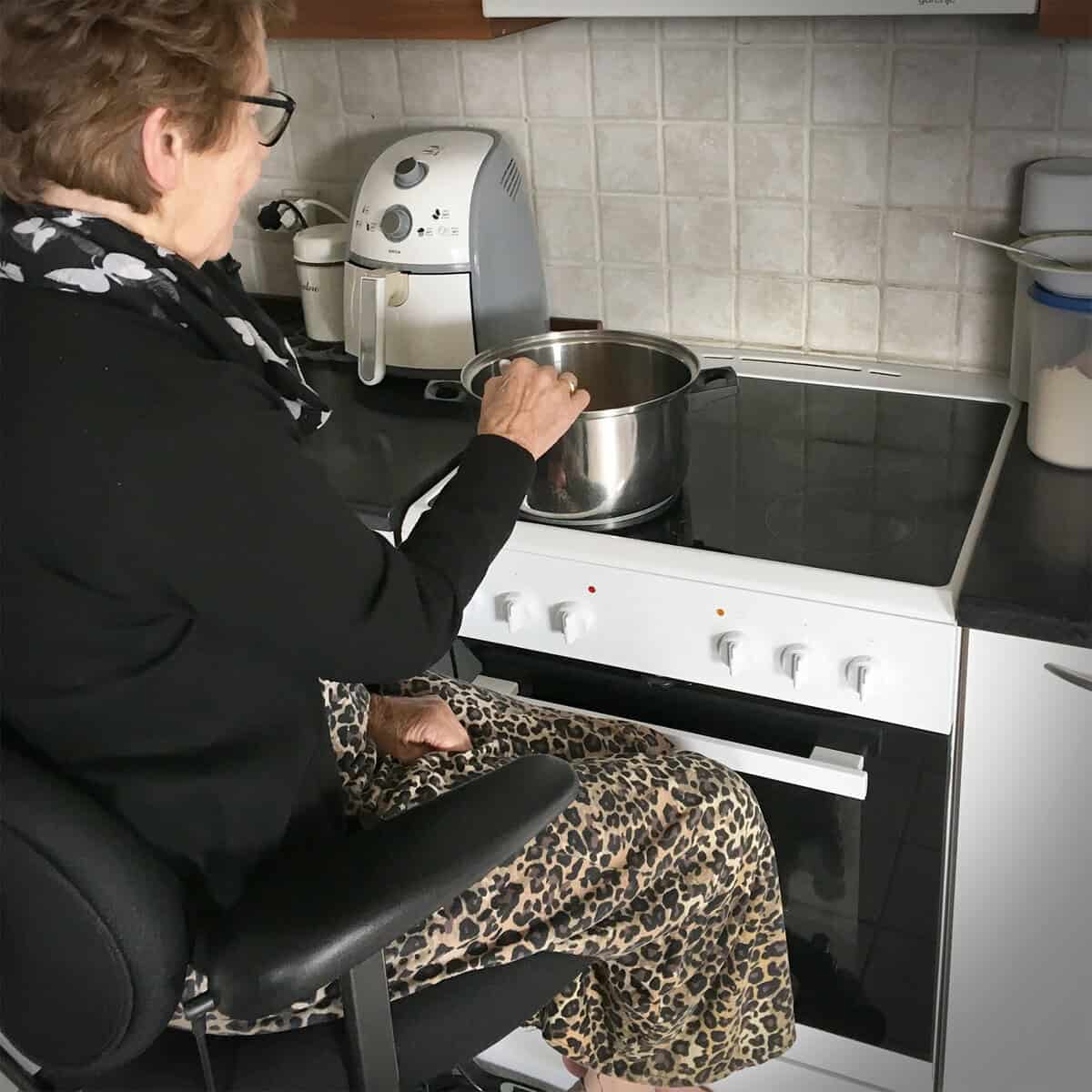
For many, the idea of aging in place holds great appeal, offering the comfort of familiar surroundings and the ability to maintain personal routines. VELA Chairs represent a practical approach to supporting this model, addressing concerns like safety, energy conservation, and mobility. With features like a central brake for stability, electric height adjustability for ease during transfers, and fluid movement while seated, these chairs offer both safety and independence. By helping with everyday tasks like cooking or cleaning, VELA can delay the need for a nursing home. Though it is not the only option available, VELA stands as a well-documented, effective solution empowering individuals to age gracefully at home.