

Updated February 2026: We have updated the article with the latest advancements in AI-powered health monitoring, predictive care technologies, ambient intelligence for resident safety, personalized data-driven care models, changes in CMS staffing requirements, and expanded AI support for caregiver operations.
Understanding Westbrook Nursing Homes and Senior Care Options
When searching for “Westbrook Nursing Home,” you’re likely interested in finding quality care for seniors in Westbrook, Maine. This city, with about 17% of its population aged 65 and over, presents several options with five senior living communities in Westbrook and 57 more in the surrounding areas, according to SeniorLiving.org. This guide will help explore the choices available, assess costs, and understand the quality of care to ensure you make the best decision for you or your loved one.
Overview of Nursing Homes in Westbrook, Maine
Westbrook is a vibrant community where one in six residents is a senior, as reported by PayingForSeniorCare.com. This demographic significance means that nursing homes are more than just facilities; they are integral parts of the community that cater to specific needs. With five nursing homes in the city, options can be limited compared to surrounding regions. Community dynamics, such as the proximity to family and familiar environments, often play a key role in these decisions. Residents frequently note their appreciation for accessibility and community connections.
Top Nursing Home Facilities in Westbrook
Among the available facilities, the Springbrook Center stands out. Located in the Stroudwater neighborhood, it features 123 rooms dedicated to senior housing, according to SeniorAdvice.com. This center is renowned for its specialized care services and enjoys positive reviews for its environment and dedicated staff. Residents describe Springbrook as more than just a facility; it’s an integral part of their lives, providing both comfort and medical care to meet diverse needs.
Cost and Payment Options for Westbrook Nursing Homes
Understanding the financial aspect is crucial. While costs can vary, Westbrook’s nursing home prices generally align with state averages. Many residents utilize coverage options such as Medicare and Medicaid, alongside long-term care insurance, to offset expenses, according to PayingForSeniorCare.com. Consulting with local financial advisors can reveal more strategies, and there are programs available to aid financial planning to ensure quality care is accessible to all.
Quality of Care and Services in Westbrook Nursing Homes
Quality differentiation is significant, with facilities offering various medical services, recreational activities, and family involvement opportunities. A robust staff-to-resident ratio is critical, significantly impacting residents’ quality of life. According to NIC.org, facilities with favorable ratios are better equipped to offer personalized care. Family members commonly express satisfaction when the integration of excellent medical care and engaging social environments is seamless.
Recent changes in federal regulations have also impacted care standards. The Centers for Medicare & Medicaid Services (CMS) issued updated guidance for nursing home surveyors, effective this year. These updates emphasize resident-centered care, stricter oversight of admissions and transfers, monitored use of psychotropic medications, improved staffing metrics through Payroll-Based Journal (PBJ) reporting, and stronger requirements for quality assurance and health equity monitoring. Leadership roles such as Director of Nursing and Medical Director now require greater involvement in policy adherence and continuous improvement of resident care quality.
Effective December 2, 2025, CMS repealed the minimum staffing requirements implemented in 2024. Nursing homes are no longer required to maintain 3.48 hours of nursing care per resident per day, or to provide 24/7 onsite registered nurse coverage. Enhanced facility assessment requirements still apply, obligating facilities to staff based on actual resident needs rather than fixed ratios.
Sandberg Phoenix; Hall Render; Palmetto Health Med; Skilled Nursing News
Modern Equipment and Technology in Westbrook Nursing Homes
Nursing homes often face the challenge of balancing quality care with fostering independence for their residents. Recent years have seen a transformation with the integration of advanced AI-powered technologies and intelligent monitoring systems. Facilities now use continuous, real-time health monitoring with smart devices—such as toilet seats that analyze waste, wearable sensors, and longevity stations that leverage predictive analytics to help detect early signs of conditions like urinary tract infections, nutritional deficiencies, and disease progression. The critical breakthrough is in AI interpretation of health data patterns, which helps staff move from reactive to predictive care and initiate timely interventions.
Ambient intelligence and edge AI have enhanced resident safety, using in-room technologies such as stoves that automatically shut off, adaptive lighting that illuminates paths based on movement, and climate controls that respond to physiological cues. These systems process data locally to maintain resident privacy. Care plans are increasingly tailored to each individual’s personal health data baseline, supporting fall detection attuned to unique gait patterns and wellness monitoring that adapts dynamically.
AI-powered assistant tools now support caregivers by managing resident requests with voice interfaces, automating routine communications, and providing real-time care guidance. As staffing challenges persist, these smart solutions help meet the diverse needs of residents effectively and efficiently.
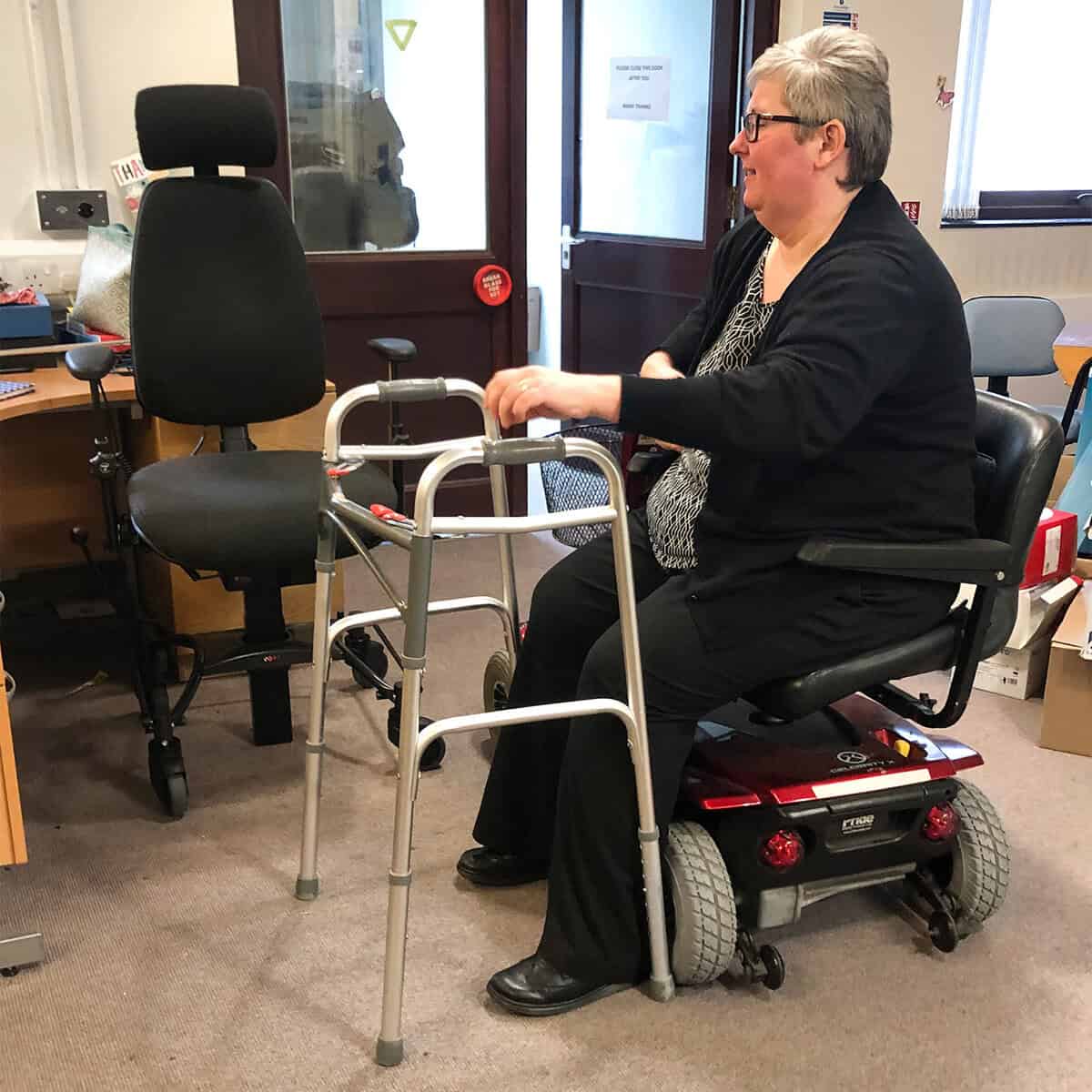
Senior care facilities also feature AI-powered mobility aids such as smart wheelchairs with GPS, collision avoidance, and health tracking. Smart home devices—voice assistance, automated lighting, medication dispensers—and robotic companions further support daily living. Telehealth and remote monitoring enable personalized and consistent care, allowing medical professionals and families to stay closely involved in resident wellness. Data-driven analytics and dynamically adjustable rehabilitation devices enhance comfort and promote mobility.
A notable home-use innovation is the VELA Independence Chair, a medically approved mobility chair designed to provide increased freedom and safety at home, making daily tasks more manageable while supporting caregivers.
SynchronyFL; ButterflyMX; Heisinger Bluffs; Everything Medical Online; MedCityNews
Making the Right Choice for Senior Care in Westbrook
Recap the choices available concerning senior care in Westbrook, including considerations of facility location, costs, and specific needs. Balancing the benefits of traditional nursing homes with innovative, home-based alternatives, such as VELA chairs or smart assistive devices, can enhance independent living. With the integration of AI, telehealth, and smart rehabilitation tools, families have greater opportunities to provide personalized, effective care. This holistic approach guides families to a comprehensive, informed decision for the best care solutions for their seniors.
By prioritizing both traditional and modern solutions—including the latest in assistive technology—families can ensure their loved ones receive optimal care tailored to their specific needs, making the choice a personal and well-informed one.
In summary, visiting different facilities, understanding individual needs, and exploring modern technological aids are vital steps in making an informed decision that fosters quality living for seniors in Westbrook.