

Updated January 2026: We have updated the article to include the latest advancements in technology-enabled entertainment, holistic wellness, and personalized engagement in nursing homes. New sections address VR/AR activities, wearables, accessible TV systems, blended live and digital models, regulatory updates, and caregiver-inclusive programs for improved resident well-being.
Why entertainment matters in nursing homes
When searching for nursing home entertainers near me, it’s essential to understand the profound impact these services have on residents. Entertainment in nursing homes goes beyond recreation; it’s a crucial element in promoting residents’ well-being, both mentally and physically. According to the Centers for Medicare & Medicaid Services (CMS), nearly 50% of nursing home residents struggle with 3-6 activities of daily living, which emphasizes the need for stimulating and engaging activity programs to enhance their quality of life.
Types of entertainment programs in nursing homes
Nursing homes today offer a variety of entertainment to cater to the diverse interests and needs of their residents. Musical performances are particularly popular; they not only bring joy but also serve as an effective therapeutic tool, especially for residents with dementia. Playing music from their youth can evoke memories and improve mood, as detailed in a study by the National Center for Biotechnology Information (NCBI) Music Therapy Research.
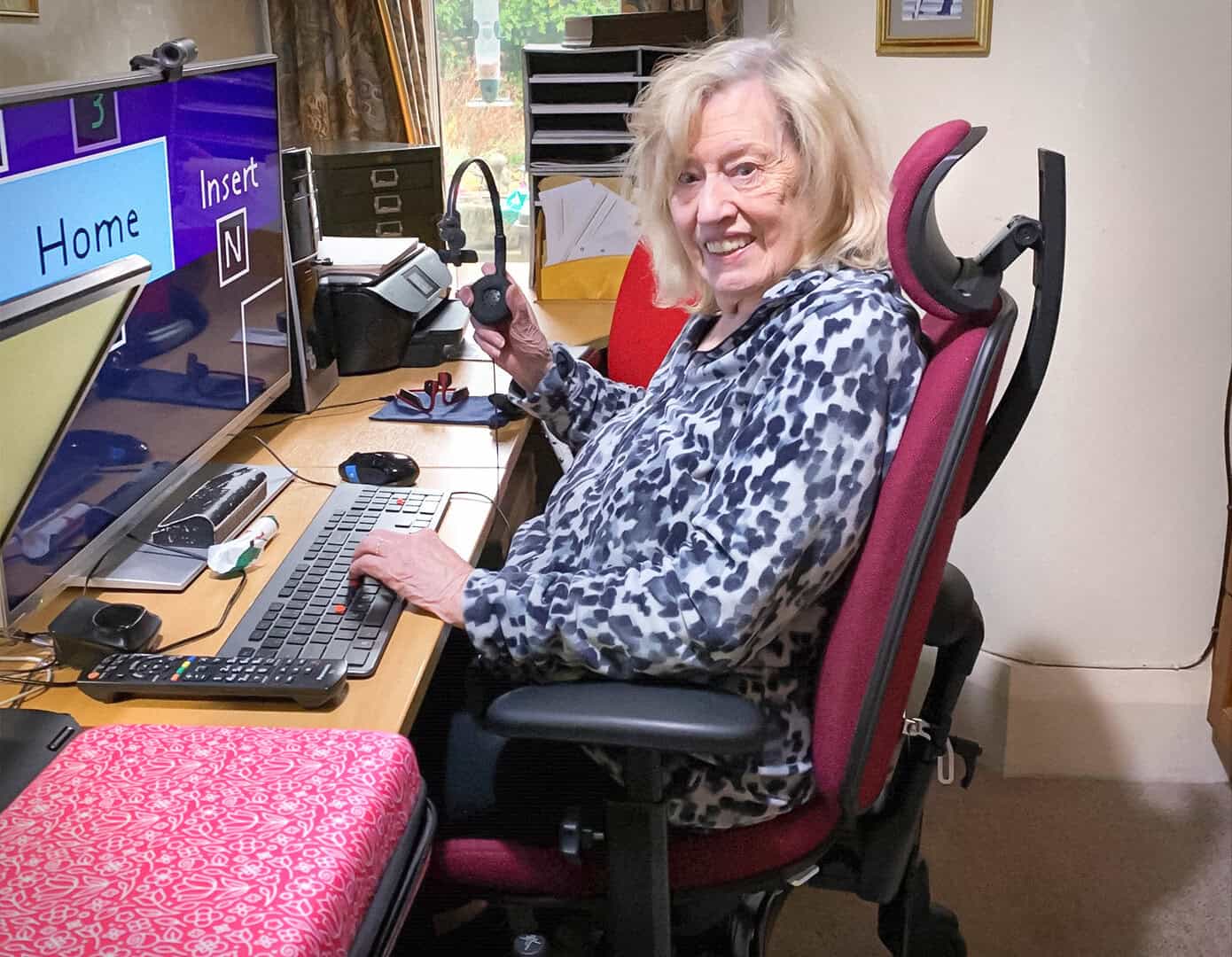
Emerging trends in 2026 show a significant shift towards technology-enabled recreation and engagement. Many nursing homes are supplementing or blending live entertainment with technology such as VR (virtual reality) and AR (augmented reality) experiences, allowing residents to enjoy immersive activities like virtual travel, museum tours, and cognitive games tailored for older adults. These advances also include the use of wearables for real-time health monitoring during recreational activities and senior-friendly TV systems with large text and app integration for personalized, accessible entertainment.All SeniorsSeniors Housing Business
Beyond music and technology, interactive games, memory-focused layouts, and activity platforms provide structured stimulation and foster social connection. These platforms also allow family participation remotely, supporting both in-person and virtual engagement MakeShift Blog Industry Trends. Scenarios such as group trivia, video-streamed exercise classes, digital puzzle games, or live-stream broadcasts via in-house community TV channels facilitate greater participation, especially for residents with reduced mobility. Smart homes, noninvasive sensors that monitor wellness and prompt reminders, and blended levels of care in entertainment programming have also become integral for modern nursing home activity design All Seniors.
Benefits of entertainment for nursing home residents
The positive effects of entertainment on residents’ well-being are well-documented. According to NCBI Research, engaging in activities can significantly reduce depression and increase social engagement among residents. Furthermore, the cognitive benefits for individuals with dementia are profound, as music and activities can stimulate memory and communication.
In 2026, nursing homes are increasingly required by regulations to provide transparent, person-centered care that incorporates tailored activity schedules and honors resident preferences. Testimonies from family members often highlight improvements in mood, engagement, and communication with regular participation in both live and technology-facilitated programs. Using wearables and AI-driven activity plans, homes can better monitor participation and adjust programming to maximize resident well-being and satisfaction.All Seniors
Modern care environments have begun to prioritize holistic wellness and memory care initiatives, designing specialized spaces and activities that reduce confusion and promote cognitive engagement for residents with memory challenges. Music and art therapy, reminiscence activities using tech-enabled sensory layouts, and joint caregiver-resident programs help address isolation and support mental health. These programs, often personalized using AI insights and feedback from residents and families, are now not only best-practice but also align with regulatory expectations.All Seniors
In light of the challenges faced by nursing home residents in maintaining independence, exploring solutions that enable older adults to remain in their own homes offers a valuable perspective. Here, devices like the VELA Independence Chair play a transformative role. This medically approved mobility chair is designed specifically for home use, providing enhanced safety and freedom of movement while seated. It supports daily activities such as cooking, dressing, and transferring, all the while alleviating the burden on informal caregivers.
How to become a nursing home entertainer
Becoming a nursing home entertainer requires specific skills and knowledge. Entertainers need to understand the elderly audience, tailoring performances to suit their preferences. According to the Dave Ruch Entertainment Guide, the process involves not only honing an engaging repertoire but also understanding the booking and logistical needs of nursing homes. For instance, performers should be familiar with setting up in limited spaces and adapting performances to accommodate varying levels of resident alertness and engagement.
In 2026, successful entertainers and activity coordinators may also leverage digital tools—live-streaming performances or interactive workshops to reach residents in their rooms or those with mobility limitations. Familiarity with hybrid event management and accessibility-focused software is now a valuable part of the skill set for bringing meaningful engagement to diverse resident groups.Seniors Housing Business
“Playing for senior audiences is extremely gratifying overall. You’re providing a real service and contributing to their health by engaging them.”
Finding quality entertainment for your loved one’s nursing home
When evaluating entertainment options, consider the variety and frequency of programs offered and their popularity among residents. According to CMS guidelines, these activities should be diverse enough to cater to all interests. In 2026, it’s especially beneficial to look for communities that blend live events with digital content, offer VR/AR sessions, and use senior-friendly apps so every resident—regardless of mobility—can participate meaningfully.All Seniors
Families can also advocate for enhanced programs or even participate as volunteers to ensure their loved ones experience the best possible care. Regulatory changes in 2026 now require greater transparency and resident input in activity programming, so feedback and suggestion processes are more accessible than ever.All Seniors
To get involved or suggest improvements, begin by discussing options with the nursing home’s activity director. Homes are increasingly open to incorporating suggestions that may better serve their residents, and joint activity days including caregivers and family are trending as a means of reducing resident isolation. Digital engagement tools and resident-centered apps make it easy to track events, send feedback, and participate virtually in a loved one’s routines, regardless of physical location.All Seniors
Exploring alternatives to nursing homes
As families consider options for elder care, solutions that allow seniors to remain independent at home can be particularly appealing. Products like the VELA Independence Chair offer an effective way to support this goal. This chair, equipped with features such as a central brake for safety, electric height adjustability, and ease of movement while seated, addresses various challenges seniors face. By reducing the risk of falls and conserving energy for daily tasks, the VELA Chair can prolong independence and delay the need for nursing home care. In today’s environment, smart home reminders, noninvasive sensors, and blended support levels can further supplement mobility devices to keep older adults comfortably at home longer.All Seniors
Such tools empower seniors to maintain their dignity, freedom, and safety within familiar home settings, proving to be a practical and reliable choice among various mobility aids available. For more information, consider visiting Senior Mobility Solutions, which provides insights into enhancing independence for seniors via assistive technology.
LifeLoop
Heisinger Bluffs
Align Senior Care
LifeLoop
Assured Partners
All Seniors
All Seniors
Seniors Housing Business
Provider Magazine
Skilled Nursing News
Senior Housing News