

Updated September 2025: We have updated the article with the latest advancements in assistive technology—including AI-powered smart wheelchairs, wearable health monitors, and robotic companions—new CMS regulations governing nursing home operations, and modern rehabilitation trends such as telehealth-enabled care and predictive analytics in fall prevention.
Understanding Lincoln Crawford Nursing Home: Location and Facility Overview
When searching for the Lincoln Crawford Nursing Home, you’re considering a significant facility located in Cincinnati, Ohio. This nursing home is situated at 1346 Lincoln Avenue and serves as a crucial resource for the local population, particularly for those aged 50 and above, who comprise 41% of the area’s nearly 10,000 residents. According to Medicare.gov, Lincoln Crawford offers a range of care options, including short-term rehabilitation, long-term care, and respite services. The facility is designed to accommodate up to 96 residents with an occupancy rate fluctuating between 86% and 97%, depending on current needs.
Living at Lincoln Crawford, residents can expect a community-like environment where daily interactions foster companionship. With dedicated common areas for social activities and dining, residents frequently share meals and leisure activities, cultivating a sense of community and belonging.
Evaluating Care Quality: Ratings and Deficiencies at Lincoln Crawford
Choosing the right nursing home involves understanding the quality of care a facility provides. According to ProPublica Nursing Home Inspect, Lincoln Crawford Care Center has been cited for 37 deficiencies, with two related to infection control—an area critical to resident safety. Feedback from residents and families, such as those on A Place for Mom, give the center a score of 1 out of 10, highlighting concerns about care satisfaction and facility management.
Facilities like Lincoln Crawford are now subject to revised Long-Term Care Surveyor Guidance, effective April 2025, as issued by CMS. These changes include stricter staffing requirements, improved documentation and transparency of staffing levels via the Payroll Based Journal system, enhanced resident rights in admission and discharge processes, and updates regarding the use of psychotropic medications. Facilities must now avoid the unnecessary use of psychotropic medication, obtain explicit resident consent, and demonstrate health equity within quality assurance activities. These regulatory improvements are part of ongoing efforts to raise standards across nursing homes nationwide.
Sandberg Phoenix, Hall Render, The Consumer Voice
To experience the care environment firsthand, a prospective family might schedule a visit. During such visits, they could observe staff interactions with residents, the cleanliness and condition of communal areas, and residents’ engagement with activities—all crucial indicators of care quality.
Exploring Services and Amenities at Lincoln Crawford Nursing Home
Beyond basic care, the environment and services available at a nursing home can significantly impact residents’ quality of life. Assisted Living Magazine reports that Lincoln Crawford provides numerous amenities, including an on-site salon, WiFi access, and a variety of resident activities. These services are complemented by a dedicated staff, although recent reports from NursingHome411 indicate a staff turnover rate of nearly 70%, compared to the state average of around 51.6%. Staffing stability is pivotal for maintaining continuity and quality of care, reinforcing the importance of continuous improvement in this area.
The latest innovations in assistive technology have transformed the senior care environment. Residents now benefit from AI-powered smart wheelchairs with real-time navigation support, health monitoring, and voice control. Wearable health monitors track vital signs, while automated fall detection systems and voice-activated smart home devices support daily safety and autonomy within the facility. Social interaction and cognitive health are further enhanced through the use of robotic companions, which encourage engagement and reduce feelings of isolation.
Everything Medical Online, Synchrony FL, ButterflyMX
Residents might participate in activities such as weekly social events or religious services, all of which play vital roles in enhancing mental and emotional wellbeing.
Financial Considerations: Costs and Medicaid Options at Lincoln Crawford
Understanding the financial implications of care is crucial for families and individuals making long-term plans. The monthly cost for residing at Lincoln Crawford ranges between $6,000 and $8,500, depending on the level of care and accommodations chosen. As highlighted by Seniorly and GuideStar, residents have access to various financial supports, including Medicaid for those who qualify. Evaluating these options early can help ease the financial burden and ensure that residents receive the necessary care without compromises.
Prospective residents and their families should consider meeting with a financial advisor specializing in eldercare to explore financial strategies that ensure long-term affordability and access to quality care.
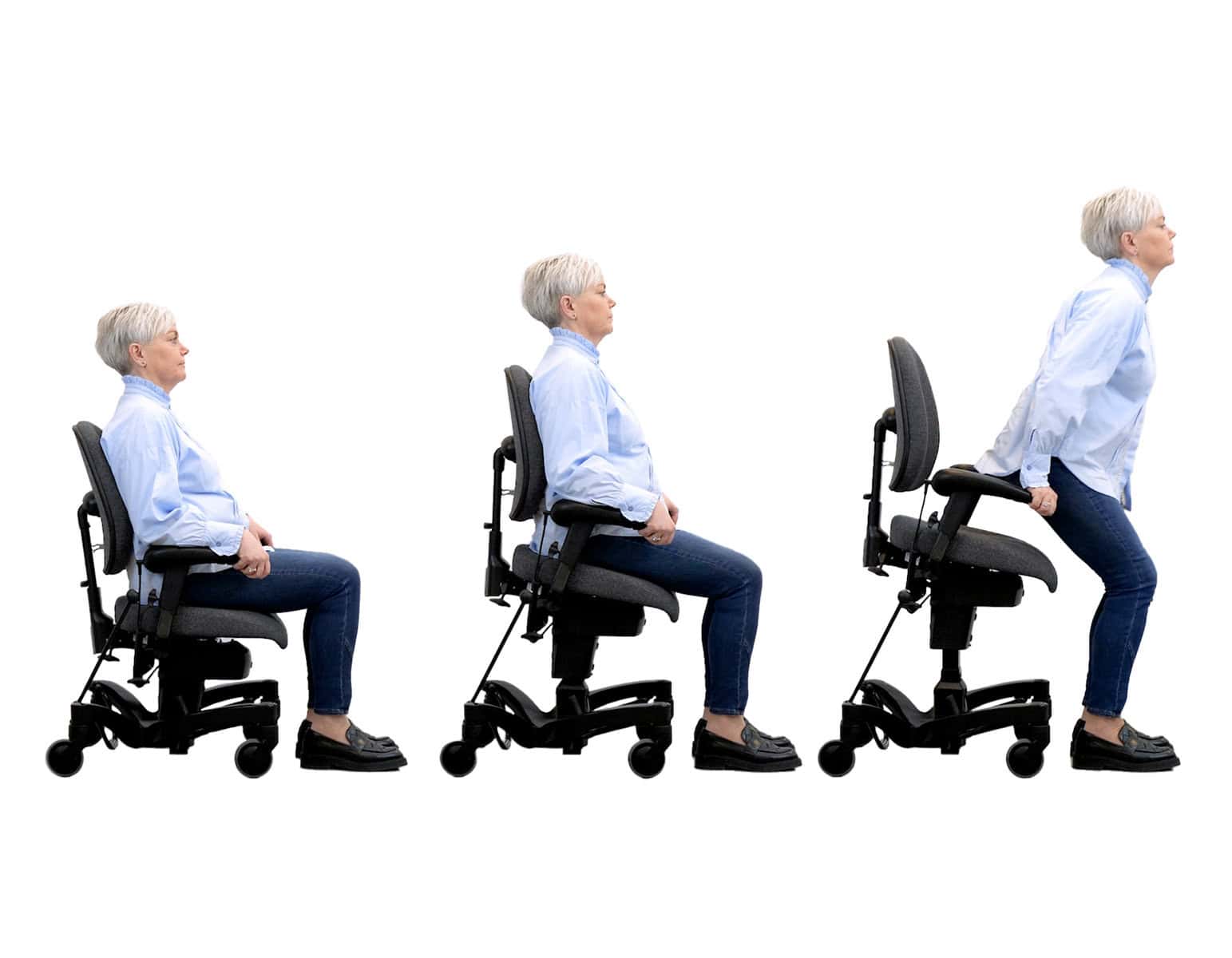
Reducing caregiver burden through smart seating options can greatly enhance the quality of life for older adults. The VELA Independence Chair empowers individuals by promoting independence within their homes, delaying the need for nursing home care. With features like a central brake to prevent falls and electric height adjustability, this chair supports safety during transfers and easy access to various household surfaces. By preserving energy for residents, daily activities like cooking and cleaning become more manageable, ultimately enhancing their comfort and wellbeing.
Advancements in rehabilitation and inclusive care
Recent trends in rehabilitation at Lincoln Crawford—and in nursing homes nationwide—reflect the adoption of AI and predictive analytics for early detection of falls and health decline, enabling proactive intervention. Telehealth and remote monitoring are now essential for delivering ongoing therapy and supporting improved clinical outcomes. Ergonomic and inclusive design strategies increasingly incorporate user feedback and data analytics, ensuring assistive products and care solutions meet the evolving needs of individual residents.
ButterflyMX, Synchrony FL, Harvard Business Review Healthcare