

Updated September 2025: We have updated the article to reflect Lincolnwood Rehabilitation and Healthcare Center’s recent multimillion-dollar renovation, new regulatory requirements for staffing and care quality, recent regulatory citations, and industry trends in assistive technology and rehabilitation best practices.
Understanding Lincoln Woods Nursing Home
For those searching for information on “Lincoln Woods Nursing Home,” it’s essential to understand that this query relates to Lincolnwood Rehabilitation and Healthcare Center, a well-regarded facility located in the suburban area of North Providence, Rhode Island. Situated at 610 Smithfield Road, this center is a cornerstone for both short-term rehabilitation and long-term care services, addressing the varied needs of its senior residents.
Facility Overview
Lincolnwood Rehabilitation and Healthcare Center is a Medicare-certified institution, offering a wide range of services including skilled nursing, personalized therapy, and engaging activities designed to enhance residents’ quality of life. According to Medicare.gov, the facility maintains an average occupancy rate of approximately 87%, with 174 residents out of 200 certified beds, reflecting its robust reputation and high demand in the community.
In July 2025, Lincolnwood completed a multimillion-dollar renovation, modernizing its facilities in line with current standards and resident needs. This upgrade included the addition of a new hemodialysis unit, a remodeled memory care wing, an expanded rehabilitation gym space, and updated resident rooms with enhanced ergonomic and rehabilitation environments. These improvements are intended to foster a safer, more comfortable, and supportive atmosphere for both short- and long-term residents.[1]
Evaluating Care Quality and Resident Satisfaction
Lincolnwood’s care quality is evidenced by Medicare ratings, which focus on health inspections, staffing adequacy, and overall quality measures. These ratings serve as a critical guide for potential residents and families making informed decisions. Recent regulatory changes from the Centers for Medicare & Medicaid Services (CMS), effective April 2024, mandate minimum staffing levels of 3.48 direct nursing care hours per resident each day and require transparent Medicaid payment reporting for labor costs.[2] Lincolnwood reports a staffing hours figure of 3.51 hours, which exceeds the federal minimum but remains slightly below the Rhode Island state average of 3.7 hours.[4] Previous records had reflected a nurse hours per resident ratio of 3.58 and a nurse turnover rate of 51.4%, compared to the state average of 3.7 and 45.1% respectively. These figures identify both strengths and ongoing opportunities for improvement.[4]
While the recent modernization has improved the facility’s physical environment and rehabilitation capacity, Lincolnwood has also faced regulatory deficiencies and fines, including recent citations pertaining to nutritional care and quality of life. These findings signal ongoing challenges in meeting evolving clinical and quality standards despite recent investments.[2][4]
Family reviews from Caring.com provide personal insights into resident experiences. For instance, one resident’s daughter shared, “The staff here really care for Dad, always checking in to ensure he’s comfortable.” This feedback highlights the dedication of the caregiving staff, though some criticism regarding food and activity options has been noted.
Navigating Nursing Home Costs and Exploring Alternatives
Financial considerations are paramount when choosing a nursing home. In Rhode Island, the average monthly cost for a semi-private room ranges from $9,900 to $11,000, though specific costs at Lincolnwood may vary based on services and amenities offered. Knowledge of these costs is vital for prospective residents evaluating options.
Various payment options such as Medicare, Medicaid, and insurance plans can help manage financial burdens. For families exploring alternatives, personalized home care settings may offer a viable option.
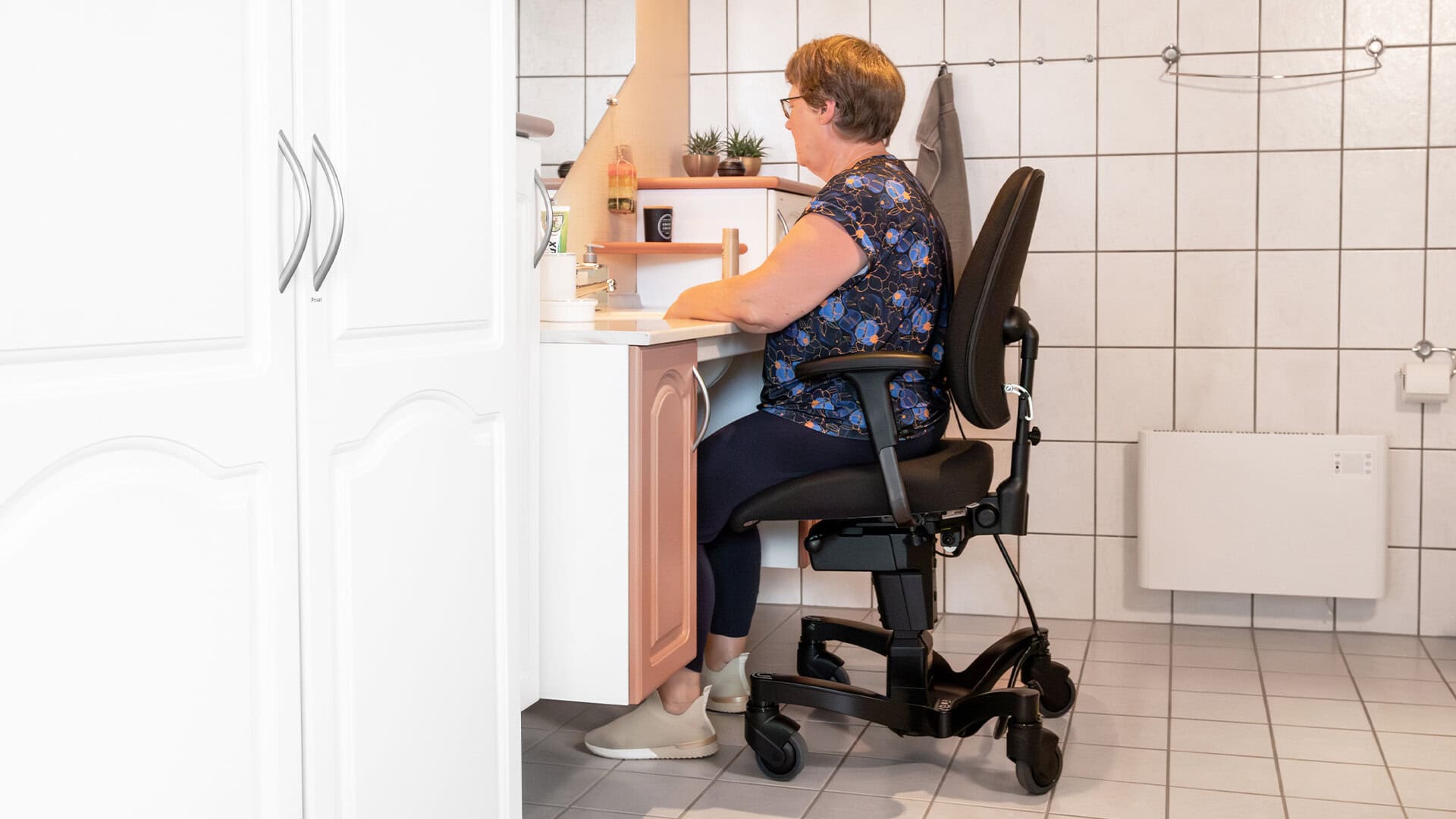
For seniors wishing to maintain independence, adaptive seating solutions provide an opportunity to age in place comfortably. Safety, mobility, and daily comfort are priorities that can be addressed through specialized seating options like the medically approved VELA Independence Chair. This chair is designed specifically for use in home settings, offering enhanced safety features, freedom of movement while seated, and support for daily activities such as cooking, dressing, or transferring. This solution can also help relieve the load on informal caregivers.
Supporting Aging in Place: A Practical Option
As the population ages, maintaining independence at home becomes increasingly desirable for many seniors. Tools like the VELA Independence Chair offer a practical solution that allows for extended autonomy and comfort in everyday life. These senior chairs are designed to support elderly independence and address crucial issues such as safety and ease of movement. Features like a central brake ensure stability, while electric height adjustability aids in comfortable transfers and activities, potentially delaying the need to move into nursing facilities.
Life with a VELA Chair fosters dignity and safety by minimizing fall risks and conserving energy, making daily activities more manageable. Imagine cooking, cleaning, or simply relaxing with the reassurance of a secure, adaptive seating option. Though VELA chairs are not the only solution, they represent a proven and practical tool to help seniors thrive at home.
Trends in Rehabilitation and Assistive Technology
Current trends in nursing home care and rehabilitation emphasize individualized, multi-disciplinary therapies and increased use of ergonomic, inclusive design. Lincolnwood promotes restorative therapy and a progressive rehabilitation approach, and its expanded gym and modernized amenities are intended to support these practices.[1][3] There is, however, limited publicly available detail regarding the adoption of the newest smart assistive devices, AI-enabled mobility aids, or sensor-based monitoring technologies at Lincolnwood following the renovation.[3][5]
Industry-wide, best practices increasingly focus on leveraging smart assistive technology and AI-driven rehabilitation interventions to enhance independence and overall quality of life for residents. Integrating these advances, alongside robust infection control strategies developed with expert guidance, represent significant directions for the sector. These approaches align with emerging standards for safer, more inclusive, and effective elder care.[3]
Sources
- Providence Business News, “Lincolnwood completes multimillion-dollar renovation,” July 2025. [1]
- Rhode Island Monthly, “Untangling the Nursing Home Knot in Rhode Island,” August 2025. [2]
- Lincolnwood Rehabilitation & Healthcare Center official site [3][5]
- ProPublica Nursing Home Inspect database, July 2025 update. [4]
- CMS Final Rule on Nursing Home Staffing Requirements, April 2024. [2]