

Updated September 2025: We have updated the article with recent advances in smart assistive technologies, including AI-enabled devices, sensor-equipped mobility solutions, and virtual rehabilitation therapies. The latest clinical guidelines and COVID-19 protocols are also reflected, emphasizing integrated care models and balancing infection control with social engagement for seniors.
Parker Jewish Institute: A Comprehensive Resource for Senior Care in New Hyde Park
When searching for a reliable senior care facility, potential residents and their families often consider the “Parker Jewish Nursing Home” a top choice due to its established reputation in providing expert senior care. Situated in New Hyde Park, NY, Parker Jewish Institute serves as a beacon of comprehensive care with special recognition in the ethnically diverse communities of Nassau and Queens Counties. With a 527-bed capacity, the institute accommodates approximately 7,000 older adults annually, offering a range of services from sub-acute care to various community-oriented health services.
History and Evolution of Parker Jewish Institute (1907-Present)
Founded in 1907 to care for 25 indigent individuals, Parker Jewish Institute has grown into a nationally recognized healthcare facility renowned for its extensive array of programs. Over the years, it has forged academic partnerships with prestigious institutions such as the Albert Einstein College of Medicine and Long Island Jewish Medical Center. This collaboration has allowed the institute to consistently provide cutting-edge care and medical training, according to GuideStar and Parker Jewish Institute.
Comprehensive care services and specialized programs
According to New York State Health Profiles, the Parker Jewish Institute offers a breadth of care services designed to cater to the varied needs of seniors. Its sub-acute care and short-term rehabilitation programs aim to smooth the transition from hospital to home, emphasizing rapid recovery and promoting independence. For those requiring continuous support with daily activities, long-term care is also available. Specialized programs such as “Parker At Your Door” deliver physician home visits, and services like adult day care, hospice, and home health care extend outside the facility, ensuring uninterrupted care.
In alignment with recent advances, Parker Jewish Institute is also part of a broader trend in adopting smart assistive technologies. Sensor-equipped walkers, wheelchairs, and AI-powered voice-activated home assistants are becoming increasingly available, supporting residents’ mobility and safety while promoting greater independence. These innovative devices can monitor movement patterns, alert caregivers to falls, and help manage daily tasks, reflecting a shift toward technology-enabled care. Additionally, virtual and augmented reality therapies are supplementing traditional physical and cognitive rehabilitation, providing engaging and measurable therapeutic experiences for seniors.
PubMed, Harvard Medical School, WHO
Community-based services: extending care beyond facility walls
The Parker Jewish Institute embodies the “Nursing Home Without Walls” concept, underscoring its commitment to keeping seniors engaged in community life. Services like medical house calls, kidney dialysis, and home health strengthen the quality of life for residents, spotlighting Parker’s dedication to dignified and autonomous elderly care, as highlighted in their testimony.
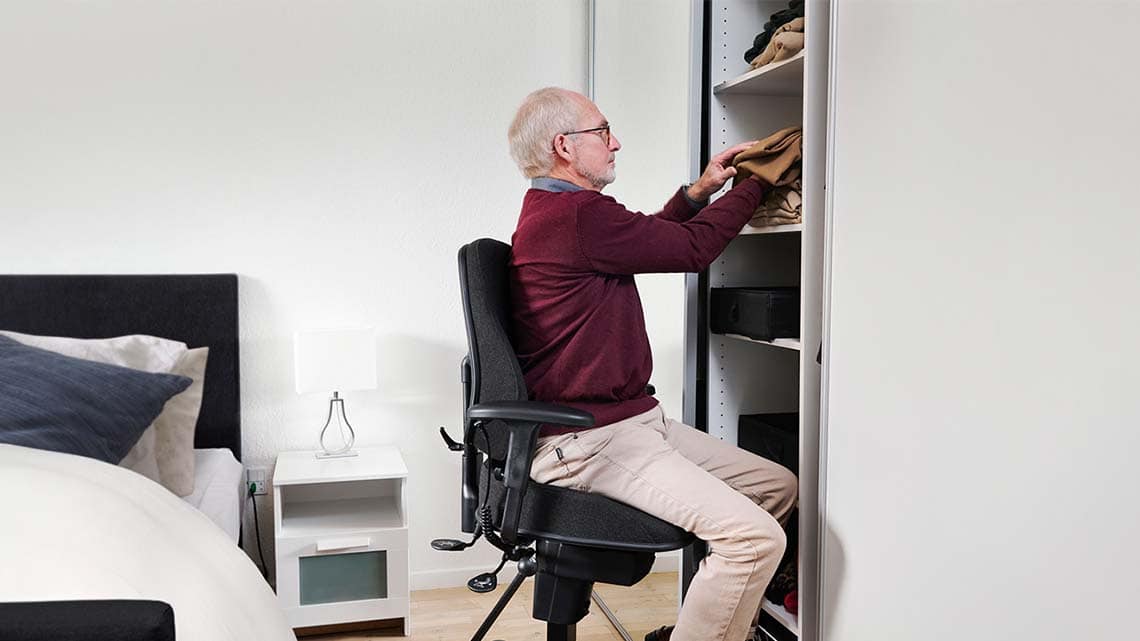
Challenges arise when considering the need for independence and quality of life enhancement for seniors outside traditional nursing homes. Many families focus on maximizing autonomy and reducing reliance on full-time care by utilizing solutions that support older adults who prefer to remain in their homes. One such option is the VELA Independence Chair, a medically approved mobility chair designed to foster safety, freedom of movement while seated, and support with daily activities like cooking, dressing, or transferring—thus reducing the burden on informal caregivers.
Patient and family experiences at Parker Jewish Institute
According to Caring.com and A Place for Mom, reviews of the Parker Jewish Institute demonstrate a wide range of family experiences, reflecting the subjective nature of care satisfaction. Some families laud the facility for its dedicated staff and effective care, resulting in 5-star ratings, whereas others pinpoint areas needing improvement, awarding it 1-star feedback. These mixed reviews signify the critical importance of personal visits and detailed research in selecting an appropriate nursing home.
Balancing tradition and innovation in senior care
Parker Jewish Institute’s extensive history and comprehensive services underscore that established senior care facilities provide both security and medical prowess essential for aging populations. Current rehabilitation services increasingly reflect updates from leading clinical organizations such as the American Physical Therapy Association (APTA), which recommend integrated, multidimensional approaches that combine physical therapy, psychological support, and opportunities for social engagement to optimize health outcomes for seniors. The facility is also adapting newer ergonomic designs for therapy equipment and employing individualized care strategies, recognizing the importance of both traditional hands-on care and technology-driven solutions.
APTA
Families increasingly consider supplementing these traditional options with innovative, home-based alternatives like VELA chairs, which enhance independence and improve quality of life. Adapting to the latest trends also means recognizing the benefits of inclusive, ergonomically designed devices that can be customized for comfort and reduce musculoskeletal strain or the risk of pressure ulcers over time.
WHO
Staying independent at home with support
For seniors aiming to age gracefully at home, enhancing mobility and safety through specialized solutions is crucial. VELA Chairs offer benefits such as a central brake for safety, electric height adjustability, and ease of movement while seated, which empower older adults to manage everyday tasks independently. These features not only support activities like cooking or relaxing but also alleviate caregiver strain by fostering a safer, more autonomous environment at home. This practical option can help delay the need for nursing home care, as seniors enjoy greater dignity, freedom, and self-sufficiency. While the VELA Chair is a proven mobility solution, it is one of many ways to support aging in place effectively and respectfully. Families should explore various strategies to decide what best suits their loved ones’ needs and preferences.
The Parker Jewish Institute and similar organizations also continue to follow updated infection prevention guidelines provided by authorities such as the Centers for Disease Control and Prevention (CDC). These updated recommendations sustain strict safety protocols while emphasizing the importance of regular, safe social visitation to help maintain residents’ emotional health and reduce isolation.
CDC