

Updated September 2025: We have updated the article with new information on AI-driven assistive technologies, smart home integration, telehealth, and wearable health monitoring in senior care. The latest federal regulatory updates for nursing home staffing and the CMS Five Star rating changes are included, along with recent trends in personalized, technology-enabled care and industry challenges such as workforce shortages and affordability.
Exploring Augusta Nursing Home Options: A Comprehensive Guide to Senior Care in Augusta, GA
When contemplating nursing home care in Augusta, Georgia, it’s essential to familiarize yourself with the spectrum of senior care services available. Augusta, as a regional hub, hosts 21 nursing homes catering to its substantial elderly population. According to Medicare.gov Care Compare, these facilities show considerable variation in care quality, underscoring the importance of thorough evaluations.
Choosing a Nursing Home in Augusta, GA: What to Know
The selection of an appropriate nursing home hinges on several critical factors, including quality ratings, health inspections, and staffing levels. Detailed research is imperative—Medicare.gov provides comprehensive evaluations on these parameters. The Georgia Department of Community Health offers data on how Medicaid reimbursements influence costs, which can be a deciding factor for many families.
New federal guidelines, effective April 2025, have introduced updated requirements for nursing home staffing and care quality. The Centers for Medicare & Medicaid Services (CMS) has strengthened its expectations for licensed nurse coverage, implemented additional standards to minimize unnecessary psychotropic medication use, and issued revised directives to prevent avoidable transfers of residents. As of July 2025, the CMS Five Star rating system has also been updated to focus on the two most recent inspection surveys, affecting facility quality transparency and rankings.[1][2][3]
Augusta’s demand for senior care is significant, with resources like Caring.com offering reviews and narratives from other families, highlighting the competitiveness for nursing home spaces. Understanding local demographics can aid in making these transitions smoother. For example, Augusta has a diverse demographic, with a sizeable percentage of its population being veterans. This creates a unique demand for specialized veteran services in nursing homes such as the Georgia War Veterans Nursing Home, which is often noted for its excellent care and service to this community.
Top-Rated Nursing Homes in Augusta: Reviews and Ratings
Several facilities in Augusta stand out for exemplary care and services. According to A Place for Mom, the top-rated options include:
- Georgia War Veterans Nursing Home: Recently underwent significant renovations to improve the environment, featuring high staff engagement, garnering a 4.6/5 rating.
- Hammond Square: Known for its robust memory care services, which are essential for residents with cognitive impairments.
- Silver Bluff Grove Senior Living: Lauded for rapid staff responsiveness and diverse amenities like therapeutic recreation programs.
- Madison Heights: Acclaimed for outstanding memory care services and receiving strong family testimonials about the quality of life improvements for their loved ones.
Each of these facilities excels in specific offerings, tailored to meet diverse resident needs, such as rehabilitation services and customized veterans’ programs.
Costs, Amenities, and Specialized Care Options in Augusta Facilities
Understanding cost structures is critical. According to SeniorLiving.org, nursing home care in Augusta averages between $4,194 and $4,198 per month for a semiprivate room, which is significantly lower than the projected national average of $9,555 by 2025. Facilities offer a range of amenities, from physical therapy and recreational activities to specialized memory care, making them appealing choices for varied resident preferences.
In response to industry-wide workforce shortages and rising operational requirements, many Augusta nursing homes are implementing technology-driven solutions to enhance resident safety and care efficiency.[4] Facilities are adopting AI-powered fall detection systems, smart home integrations such as automated lighting, and wearable monitors for round-the-clock tracking of residents’ health. These devices enable earlier identification of potential health issues and facilitate faster emergency response when needed.[5][6][7]
Augusta facilities also leverage telehealth platforms and remote monitoring tools, supporting proactive rehabilitation and ongoing individualized care without the need for frequent off-site clinic visits. Adoption of digital twin models and behavior analytics allows care teams to predict risks such as falls or acute health decline, helping them implement timely interventions. While these advances are rapidly improving care quality, affordability remains a central challenge for many families, particularly among the middle-income population.[4]
Engaging with authentic reviews and visiting the facilities personally can provide insights into the environment and the competencies of the staff, which are crucial when making such a life-altering decision for your loved ones.
In Senior Care Circles, Alternatives to Conventional Nursing Homes are Gaining Traction
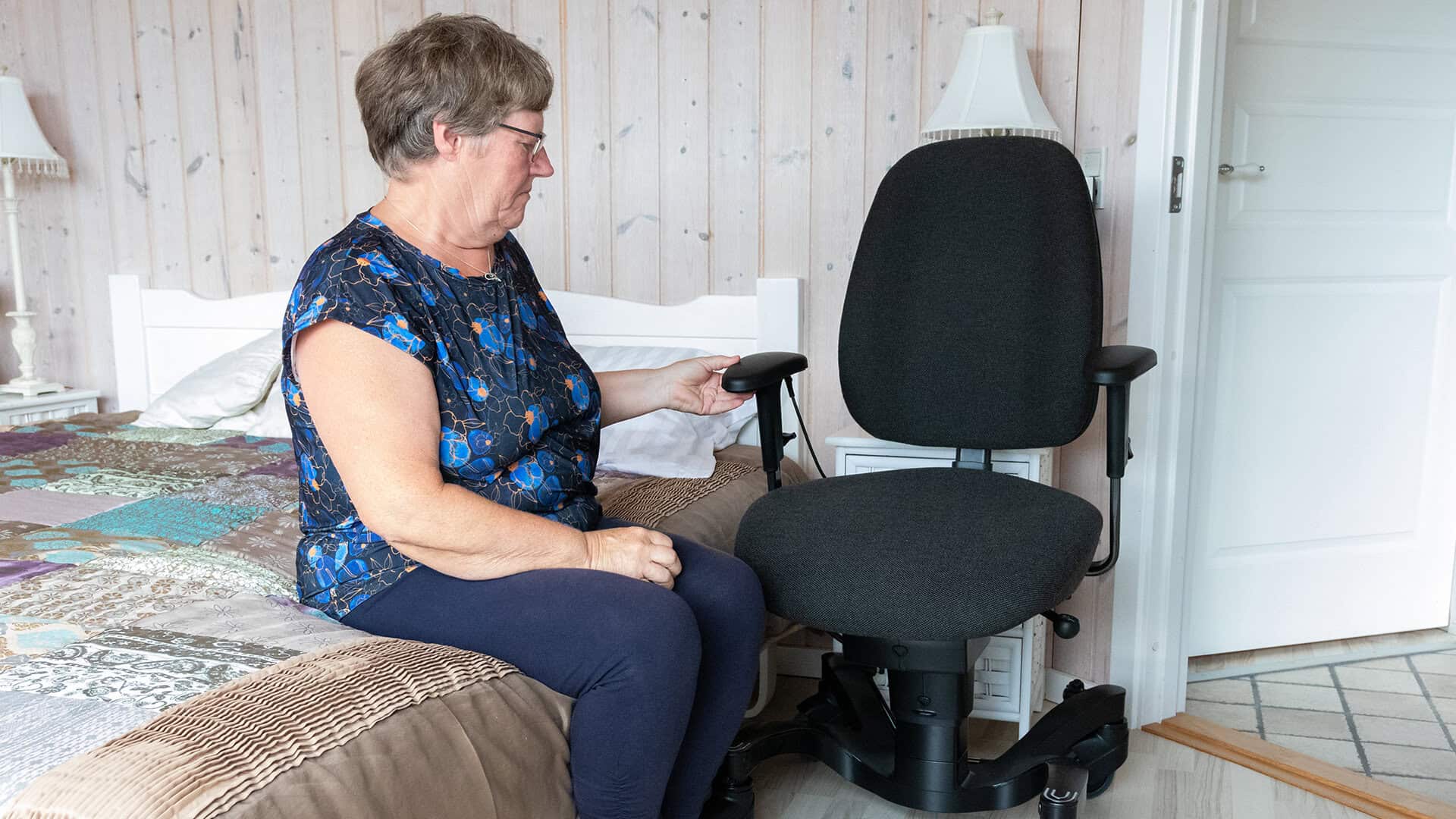
Balancing the structured support offered by nursing homes with the desire for independence can be difficult. Many families are exploring alternatives that allow seniors to remain in their own homes comfortably and safely. Innovations like the VELA Independence Chair can be instrumental in this regard. The VELA is a medically approved mobility chair designed for home use, providing enhanced safety, freedom of movement while seated, and reliable support for daily activities such as cooking, dressing, or transferring. This can significantly alleviate the load on informal caregivers, enabling seniors to maintain dignity and independence without compromising on care quality.
Recent trends show that AI-driven assistive technologies, remote monitoring, and robotic companions are key to supporting seniors wishing to age in place. Smart home systems, voice-activated hubs, and wearable health monitors integrated with artificial intelligence offer continuous assessment and early alerts for potential health concerns.[5][6]
Supporting Aging in Place: A Practical Option
VELA Chairs can profoundly impact seniors who choose to age in place. Designed to support a range of activities, these chairs provide features that directly address many common problems faced by the elderly, such as impaired mobility and increased fall risk. Equipped with a central brake for safety, electric height adjustability, and smooth, near-effortless movement while seated, VELA Chairs support a safer living environment. By easing daily tasks like cooking, cleaning, and relaxing, they can keep seniors active and independent longer, often delaying or reducing the need for transitions to nursing homes. Painting a clear picture of life with and without a VELA Chair illustrates how it ensures safety, conserves energy, and bolsters a sense of freedom—leading to improved quality of life for seniors and peace of mind for families.
Explore more about the benefits of these innovative solutions in enhancing mobility for seniors here and effective fall prevention strategies here. Though VELA is one among various solutions, it stands out as a practical and proven option for those committed to supporting their loved ones’ independence at home.
Sources:
[1] Health Industry Washington Watch: Recent Legislative and Regulatory Updates for Long-Term Care Facilities
[2] The Consumer Voice: Summary of CMS’s Revised Guidance for Nursing Home Surveyors
[3] PALTMed News: CMS Announces Key Revisions to Nursing Home Surveyor Guidance 2025
[4] Provider Magazine: Long Term Care 2025 Trends and Outlook
[5] SynchronyFL: The Future of Home Health Care Trends to Watch in 2025
[6] ButterflyMX Blog: Senior Living Technology Trends 2025
[7] UnitedHealthcare Community & State: How Enabling Technology Is Transforming Home-Based Care