

Updated January 2026: We have updated the article to reflect persistent staffing shortages, the continuing “great census rebound” in nursing home occupancy, new trends in Medicare Advantage and value-based payment models, and the growing role of advanced technologies—including AI, remote patient monitoring, and smart assistive devices—in supporting admissions, high-acuity care, and mobility solutions across both institutional and home-based care.
Exploring the complex landscape of nursing home admissions
As the U.S. population continues to age, the demand for nursing home admissions has become increasingly pertinent. The transition of baby boomers into their senior years is significantly intensifying the need for skilled nursing facilities. Approximately 46% of these facilities are currently limiting new admissions, and 57% are maintaining waiting lists, according to AHCA/NCAL. Having a comprehensive understanding of this landscape is essential for families evaluating care options for their loved ones.
Latest trends in nursing home admissions
In recent years, certain patterns have been observed in nursing home admissions across the U.S. Occupancy rates, which declined during the pandemic, are now rebounding sharply. This “great census rebound” is driving higher occupancy and revenue for providers—but it is also placing additional strain on already stretched staffing resources and facility capacity. States such as Texas, California, and Florida are witnessing particularly high demand, with projections indicating the need for over 250 new facilities in each state by 2030 to accommodate the growing senior population, as revealed by SeniorLiving.org. However, recent Medicare studies show a notable decrease in the rate of hospitalizations leading to skilled nursing facility (SNF) admissions, dropping from an average of 18% to 15.5%. Meanwhile, admissions to home health agencies (HHAs) have surpassed SNFs, rising to 19.2%, reflecting a shift toward home-based and community-based care that is partly enabled by advanced assistive technologies, AI, and updated rehabilitation practices (PubMed; Accelerated Care Plus).
Another major development is the rapid growth of Medicare Advantage (MA), which now influences most nursing home payment models—MA enrollment has surpassed traditional Medicare, and institutional special needs plans (I-SNPs) are expanding steadily. The rise of value-based care means reimbursement is increasingly tied to outcomes, hospital readmissions, and efficient coordination, driving demand for new analytics and technology capabilities within SNFs (Skilled Nursing News 2026; Provider Magazine 2026).
Factors influencing admission rates and capacity
The current state of nursing home admissions is influenced by several key factors. Most notably, staffing shortages continue to be a top challenge for facilities, with nearly 79% of sector leaders identifying it as their greatest concern for 2026. Even as some federal staffing mandates have been rolled back to allow for workforce stabilization, HRSA projections show that demand is expected to outpace supply for years to come. While recent industry data shows a slight decline in turnover rates due to modest salary increases, nursing home staff turnover remains elevated, especially among nursing assistants at approximately 42%, leading to operational challenges and affecting quality of care. Financial pressures persist, but a 4.2% Medicare payment increase finalized by the Centers for Medicare & Medicaid Services (CMS) for fiscal 2025 may help facilities invest in updated technology and staffing (NIC Blog; Skilled Nursing News; McKnight’s 2026 Outlook).
At the same time, the adoption of advanced technology has accelerated. Skilled nursing facilities are increasingly using artificial intelligence (AI), remote patient monitoring (RPM), wearables that provide continuous vital sign data, and digitally enabled care plans. These solutions support both high-acuity and chronic disease care, reduce readmissions, and promote value-based outcomes, while also mitigating the impact of limited workforce availability; new roles such as RPM coordinators and flexible staffing models are emerging to address labor gaps (All Seniors; IC Deviations).
Safety concerns, such as the incidence of falls, continue to be primary contributors to nursing home admissions, underscoring the need for safer environments and the role of ergonomic, assistive technologies. Specialized strategies for fall prevention in nursing homes and the adoption of inclusive, ergonomically designed mobility devices, along with sensor-based monitoring and AI-driven alerts, are being emphasized to help mitigate risks and reduce injury-related admissions (Skilled Nursing News; Skilled Nursing News 2026).
Challenges facing nursing home admissions today
Challenges in securing nursing home admissions are multifaceted. Waiting lists and facility closures are becoming all too common, creating significant hurdles for families. According to The Senior List, these obstacles prompt families to consider the emotional and financial ramifications associated with securing admission. Operational cost pressures and ongoing workforce shortages identified for 2025 and 2026 further complicate admissions and care continuity, despite recent payment increases and staffing reforms (AHCA Report; McKnight’s 2026 Outlook). To address these challenges, many providers are reimagining facilities as upscale, tech-enabled environments and adopting continuum-of-care community designs that support aging-in-place, rehabilitation, and personalized care using smart devices and data analytics (Provider Magazine 2026; All Seniors).
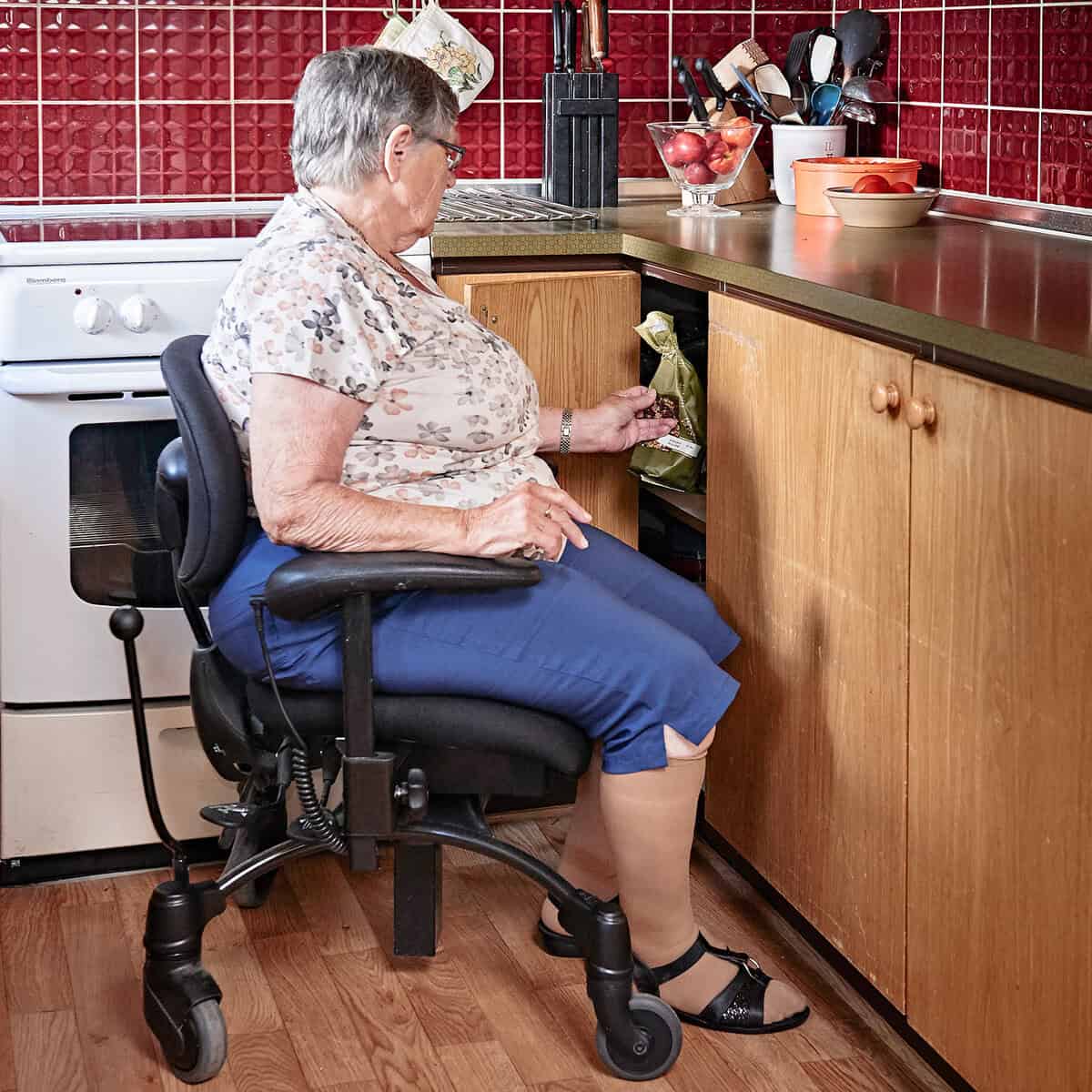
For many, addressing these challenges also involves exploring interim solutions and innovations that promote independence for older adults within their own homes. Medically approved mobility aids like the VELA chair provide a viable solution, supporting individuals in maintaining an independent lifestyle. With advances in ergonomic and sensor-based designs, and expanded integration with smart home and remote monitoring platforms, products like the VELA chair further aid daily activities such as cooking, dressing, or transferring, significantly reducing the load on informal caregivers and supporting enhanced safety, autonomy, and inclusion in new regulatory frameworks, such as CMS’s GUIDE and LEAD pilots.
Alternatives to traditional nursing home care
For those exploring alternatives, at-home care and assisted living are increasingly viable options as post-acute care trends shift toward community- and home-based services. This transition is supported by major innovations in rehabilitation and remote care, including robotics-assisted therapy, modular equipment, wearables that provide real-time health data, telehealth integration, and AI-enhanced, individualized therapy plans. These technologies now enable more individuals to safely maintain or regain function outside institutional settings, and are scaling from pilot projects to widespread adoption (Empeon Blog; All Seniors; IC Deviations).
Mobility aids such as VELA chairs are revolutionizing the aging-in-place concept by supporting daily functioning, personalized therapy plans, and continued rehabilitation, as well as facilitating safer, tech-enabled environments designed for evolving consumer expectations (mobility solutions for seniors). Resources such as SeniorLiving.org provide useful insights for comparing these options with traditional nursing home facilities, highlighting the need to evaluate costs, care delivery, technology adoption, and quality of life benefits.
The current state of nursing home admissions reflects both the indispensability and challenges of these facilities within elder care. As waiting lists extend and facilities close, it is essential for families to remain informed and open to an array of care options. Innovations, exemplified by solutions such as VELA chairs and sensor-based monitoring, offer promising pathways to safer, more independent living, while redefining elder care. By combining up-to-date research with an analysis of emerging solutions—including advances in technology, payment policy, and staffing—families can be well-equipped to make decisions that best serve the needs of their loved ones.
- Accelerated Care Plus: 2026 Skilled Nursing Facility Industry Outlook
- Skilled Nursing News: Top Trends That Will Shape the Skilled Nursing Sector in 2026
- Provider Magazine: Long Term Care 2026 Trends and Outlook
- All Seniors: Top Trends in Senior Placement for Aging Adults and Caregivers 2026
- IC Deviations: 2026 Emerging Nursing Trends for Tomorrow’s Nurse Leaders
- McKnight’s: 2026 Outlook Amid Uncertainty, Persistent Staffing Pressures—The Great Census Rebound Lifts Providers
- McKinsey: What to Expect in US Healthcare in 2026 and Beyond
- NIC Blog: Skilled Nursing Faces Opportunities and Challenges in 2025
- Skilled Nursing News: Nursing Home Turnover Rate Declines as Salaries Rise Slightly in 2025
- Skilled Nursing News: 5 Skilled Nursing Providers to Watch in 2025
- PubMed: Changes in Skilled Nursing and Home Health Admissions Following Payment Reforms and COVID-19
- AHCA Report on Nursing Home Workforce Recovery
- American Association of Colleges of Nursing (AACN) Nursing Shortage Fact Sheet
- Empeon Blog: 2025 Trends for Skilled Nursing and Home Healthcare
- SeniorLiving.org: Nursing Home Demand Projections
- The Senior List: Nursing Home Statistics