

Updated February 2026: We have updated the article to include 2026 advances in fall prevention, such as AI-powered radar sensors, predictive analytics tools, non-intrusive wearable devices, and specialized footwear. The article reflects recent CMS regulatory priorities, new VR- and robotics-based interventions for prevention and rehab, and emphasizes the importance of rapid detection, real-time alerts, and enhanced data tracking for individualized fall risk management.
What to Do When a Resident Falls in a Nursing Home
When a resident falls in a nursing home, it’s crucial to follow standard protocols that ensure the resident’s well-being and compliance with state and federal regulations. According to Centers for Medicare & Medicaid Services (CMS) and the Agency for Healthcare Research and Quality (AHRQ), over half of nursing home residents experience a fall each year, with about a third suffering multiple incidents. This article will outline essential steps and strategies to effectively address such incidents, incorporating the latest technology and regulatory requirements.[1][2][3][4][5][6][7][8][14]
Immediate Response Protocol for Nursing Home Falls
When a resident falls, it’s imperative to respond swiftly and efficiently. The first step is assessing the resident’s condition to evaluate the severity of any injuries. Check vital signs and the level of consciousness to determine emergency care needs. According to the American Medical Directors Association (AMDA), a thorough initial medical evaluation is critical. Documentation is a mandatory part of the process, capturing details like the time, location, and any witnesses, as per the CMS Pocket Guide and supported by new regulatory updates emphasizing comprehensive incident reporting.[2][4][8][14] In some nursing home settings, advanced wearable devices and AI-enabled predictive systems, such as new AI-driven radar sensors (e.g., Pontosense Silver Shield), now supplement traditional monitoring. These tools can detect falls using over 25 movement data points and deliver real-time alerts, often reducing staff response times from about 40 minutes to under 2 minutes.[1][7][9][13] These predictive analytics tools improve privacy, as they work without video monitoring, and can recognize at-risk movement patterns, enabling intervention before a fall occurs.[1][7]
Post-Fall Assessment and Continuous Monitoring
Following the immediate response, a detailed post-fall assessment is required. Implement a 72-hour monitoring period to observe any delayed symptoms. As recommended by the AHRQ, involving an interdisciplinary team to reassess and update the resident’s care plan is vital. Recent advances recommend continuous monitoring using digital and wearable assistive technologies equipped with gait and balance sensors, which can help identify changes in mobility or increased risk before another fall occurs. AI-driven fall prevention systems with real-time data analytics, radar sensors, and smart wearables now play a proactive role by allowing early detection of pre-fall conditions.[1][3][5][7][13] These steps, including personalized care plan modifications, aid in preventing future falls by identifying new risks and customizing interventions. Practical scenarios now involve integrating real-time IoT alerts and individualized AI fall prevention plans as part of post-fall protocols.[1][7] This may include adjusting the resident’s environment, such as securing loose rugs, optimizing foot traffic routes, or using smart environmental monitoring with ambient IoT sensors and automated lighting to highlight unsafe nighttime conditions.[1][7][11] Robotics, wearable auto-detection devices, and VR-based balance training are also being piloted or introduced for ongoing balance rehabilitation and prevention, in both inpatient and residential settings.[3][11][13]
Developing a Comprehensive Fall Prevention Plan
Fall prevention must be a strategic priority to minimize recurrence. This involves modifying the nursing home environment by addressing hazards like poor lighting or slippery floors. New smart home and environmental technologies—such as motion-sensing lighting that automatically illuminates pathways at night, as well as IoT-integrated computer vision systems like ElderFallGuard—help reduce hazards, particularly during nighttime hours.[1][7] Nursing Home Fall Prevention Fact Sheet highlights the importance of regularly training staff in fall prevention techniques and equipping them with proper resident-handling skills. Next-generation wearable devices that provide spatiotemporal gait analysis, and ergonomic solutions like the E-BAR inflatable side airbag system, allow for advanced risk identification and physical support without compromising resident autonomy.[1][3][5][7] Emerging advances also include specialized footwear, such as Cadense shoes with sliding and gripping soles, which are helping reduce trips on uneven surfaces.[1] State-level regulations and new 2026 CMS requirements are increasingly requiring enhanced risk assessments, mandatory staff training, sufficient staffing, and the integration of these new technologies and post-fall data tracking measures as part of CMS special focus facility programs.[8] Outcome measures, such as monitoring fall rates per 1,000 resident-days, are now emphasized. Balancing the “right to fall” with the duty to prevent harm is central to ethical and regulatory frameworks.[2][4][8] Staff may also leverage robotics-based rehabilitation, balance-focused VR programs, and app-bundled staff response systems to enable individualized prevention and cut response times to injuries.[3][7][11][13]
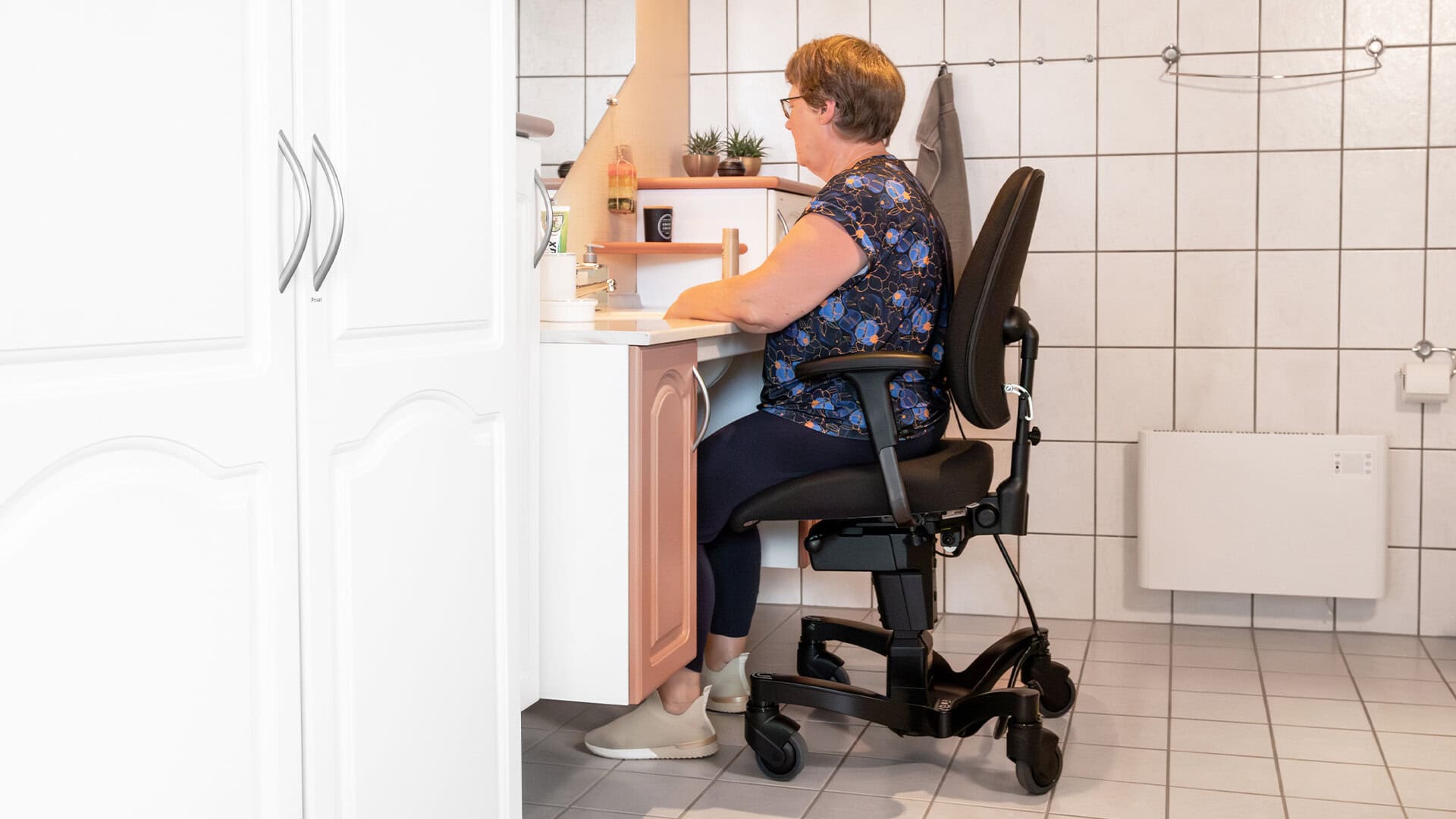
In nursing homes, managing fall risks is critical, yet many older adults face similar challenges while remaining at home. Solutions that enable independence can significantly enhance quality of life, aligning with goals to live safely and autonomously outside institutional settings. One such solution is the VELA Independence chair, a medically approved mobility chair designed for home use. VELA offers enhanced safety features and supports a person’s freedom of movement while seated, making daily activities like cooking, dressing, or transferring more manageable. Importantly, it reduces the physical strain on informal caregivers, providing an alternative to traditional at-home care strategies. Explore Reducing Fall Risks with Mobility Aids for more information on how such tools can make a difference.
Legal and Regulatory Compliance After a Fall
Compliance with legal and regulatory requirements after a fall is paramount for any facility. Updated federal and state regulations, including CMS guidelines 42 CFR Part 483 and new QSO-23-01-NH (effective 2026), now require not only comprehensive fall risk assessments and individualized prevention care plans but also evidence of proactive intervention and incident documentation supported by advanced monitoring technologies.[2][4][6][8][14][16] The 2025 National Falls Prevention Action Plan and 2026 CMS guidance highlight cross-sector partnerships, outcome data tracking, public awareness, and greater use of AI, sensor, and wearable technologies for fall prevention.[6][8] Regulations entail promptly reporting the fall incident to appropriate state and federal bodies, as noted in the CMS Transmittals. Notifying family members in a timely and sensitive manner is also required. Comprehensive documentation of the incident supports compliance efforts and is integral to ongoing quality improvement initiatives. According to Greenberg Law PC and recent legal guidance, meticulous documentation and a robust quality assurance program are essential to reduce preventable falls and recognize facility responsibility.[2][4][6][8][14] New expert consensus clarifies that nursing homes must implement effective, individualized, and technology-supported fall prevention strategies. Facilities cannot use the concept of a “right to fall” as justification for lack of intervention; autonomy must always be balanced with safety and the best current evidence.[4][6][8]
Supporting Aging in Place: A Practical Option
Choosing to age in place can be greatly supported with the right mobility solutions, and the VELA chair exemplifies how innovative design can extend independence for seniors. Features such as a central brake for enhanced safety, electric height adjustability, and ease of movement while seated address critical needs like safety, energy conservation, and smooth transfers. Using a VELA chair, individuals might delay the need for nursing home care, maintaining dignity and freedom longer at home, whether cooking, cleaning, or simply relaxing. While not the sole solution, the VELA chair stands out as an effective option in a broader strategy to support seniors wishing to live safely and self-sufficiently at home. Modern wearable and digital monitoring tools—including AI-enabled, real-time risk detection through radar sensors and predictive analytics—can complement these solutions by providing early alerts and risk assessments, and linking caregivers with staff for faster response and more autonomy.[1][3][5][7][11][13] Readers can gain more insights into these options through Mobility Solutions for Seniors.
Sources:
- JubileeTV, “Preventing Falls at Home: Top Technology and Tips for Senior Safety,” 2025. [1]
- Nursing Home Abuse Center, “Nursing Home Falls Cause Injury & Death – Get the Facts,” 2025
- PubMed Central, “Fall Risk Assessment and Prevention Strategies in Nursing Homes,” PMC11855185, 2025
- Jeffrey J. Downey, Esq., “Legal Liability for Falls in Nursing Homes and Assisted Living Facilities,” 2025
- SMPLS Innovation, “Top 7 Aged Care Technologies Revolutionising Fall Prevention in 2025,” 2025. [5]
- KFF Law, “What Is the Right to Fall in Nursing Homes?” 2025. [4]
- LeadingAge, “New Falls Prevention Technologies Are on the Way,” 2025. [7]
- CES 2026 AgeTech Highlights: Fall Prevention Tech. [1]
- CMS 2026 Fall Reduction Updates. [8]
- American Nurse Journal: Innovations in Fall Detection. [3]
- Shirley Ryan AbilityLab: Fall Prevention Webinar. [13]
- LeadingAge: New Tech like VR and Robots. [11]
- Lisclare, “Fall Prevention in Nursing Homes: Best Practices for 2025.” [2]
- APTA, “APTA-Backed Legislation for Falls Screening Returns to Congress.” [14]