

Updated September 2025: We have updated the article to include the latest advances in AI-powered assistive devices, predictive health monitoring, and smart home technologies in senior care. The article now reflects the 2025 CMS regulatory updates on nursing home inspection, staffing, and the revised Five Star rating system, as well as current trends in rehabilitation, remote monitoring, and user adoption of connected care solutions.
Georgetown Nursing Home: Navigating Your Options
When searching for a nursing home in Georgetown, it’s important to remember that several locations across the U.S. bear the name Georgetown, including in states such as Delaware, Kentucky, and Indiana. Our focus is on Georgetown, Delaware, where you can access valuable information and ratings to help make informed decisions about nursing care. According to Medicare.gov Care Compare, understanding and comparing nursing home options is vital for ensuring the best care. This article provides practical guidance on selecting the right facility and understanding key indicators like ratings and occupancy rates, as well as insights from the CMS Special Focus Facility (SFF) list.
Exploring Nursing Home Choices in Georgetown
Georgetown, Delaware, offers a variety of nursing home options with various ratings and services. By focusing on local ratings provided by Medicare.gov, families can make informed decisions. For example, facilities like Signature Healthcare of Georgetown in Kentucky and Waters of Georgetown in Indiana provide comprehensive care; however, Delaware facilities offer specific statistics vital to making mindful decisions. Key factors when selecting a nursing home include the facility’s location, the quality of services offered, and its reputation, according to Medicare.gov Care Compare. Additionally, firsthand experiences from facility tours and testimonials can offer invaluable insights into everyday realities in a nursing home environment.
Decoding Medicare Ratings for Local Nursing Homes
Medicare ratings are a critical tool for evaluating nursing homes and consist of three components: health inspections, staffing levels, and quality measures. In 2025, the Centers for Medicare & Medicaid Services (CMS) updated its Five Star Rating methodology. The system now only considers the two most recent standard surveys and includes chain-level reporting, while public COVID-19 vaccination data has been removed from profiles. These ratings, which are directly linked to resident care experiences and the facility’s reputation, remain central to quality assessment. Facilities in Georgetown, Delaware, have been found to average around 2.7 out of 5 stars based on these factors.[8] This rating guides decision-making by providing a clear view of care standards and regulatory compliance. Enhancements in facility operations often reflect in improved ratings. Moreover, the CMS Special Focus Facility (SFF) list offers a historical performance overview, which is crucial for evaluating potential improvements or concerns. The 2025 CMS regulatory revisions also place greater emphasis on proper nurse staffing, medication management, and careful oversight of psychotropic drug use.[4] [6]
Navigating the Costs of Nursing Home Care in Georgetown
The costs associated with nursing home care are a significant concern, with expenses in Georgetown aligning closely with broader state averages. According to Stephen Inc.’s SNF Tracker, financial planning is essential for families, as considerations around Medicare, Medicaid, and long-term care insurance options can align financial realities with expectations for quality care. Seeking expert advice is invaluable in clarifying insurance specifics and understanding how these decisions can impact overall care quality.
Current Trends in Nursing Home Occupancy and Quality
Post-pandemic, nursing home occupancy rates have risen, reaching 80.5% nationwide by late 2024. This trend, documented by the NIC MAP Vision, indicates quality improvements driven by strategic initiatives and programs like the CMS Special Focus Facility initiative. These programs foster enhancements in care quality, crucial for families evaluating nursing home options in Georgetown. In 2025, there has also been a significant expansion of assistive technologies in senior care settings, including smart wheelchairs with AI-powered navigation, collision avoidance, real-time health monitoring, and Bluetooth or mobile app integration. Facilities are increasingly adopting AI-enabled fall detection systems, wearable health monitors, and robotic companions that support social interaction and cognitive health.[1] [3] [7]
Telehealth and remote monitoring have become fundamental to rehabilitation, ensuring personalized and proactive care management without frequent facility visits. Predictive analytics tools are increasingly used to optimize care, staffing, and resources. Feedback from healthcare administrators and industry experts underscores the value of facilities actively integrating these technologies and regulatory improvements into their care models, resulting in greater safety, independence, and satisfaction for residents.[5]
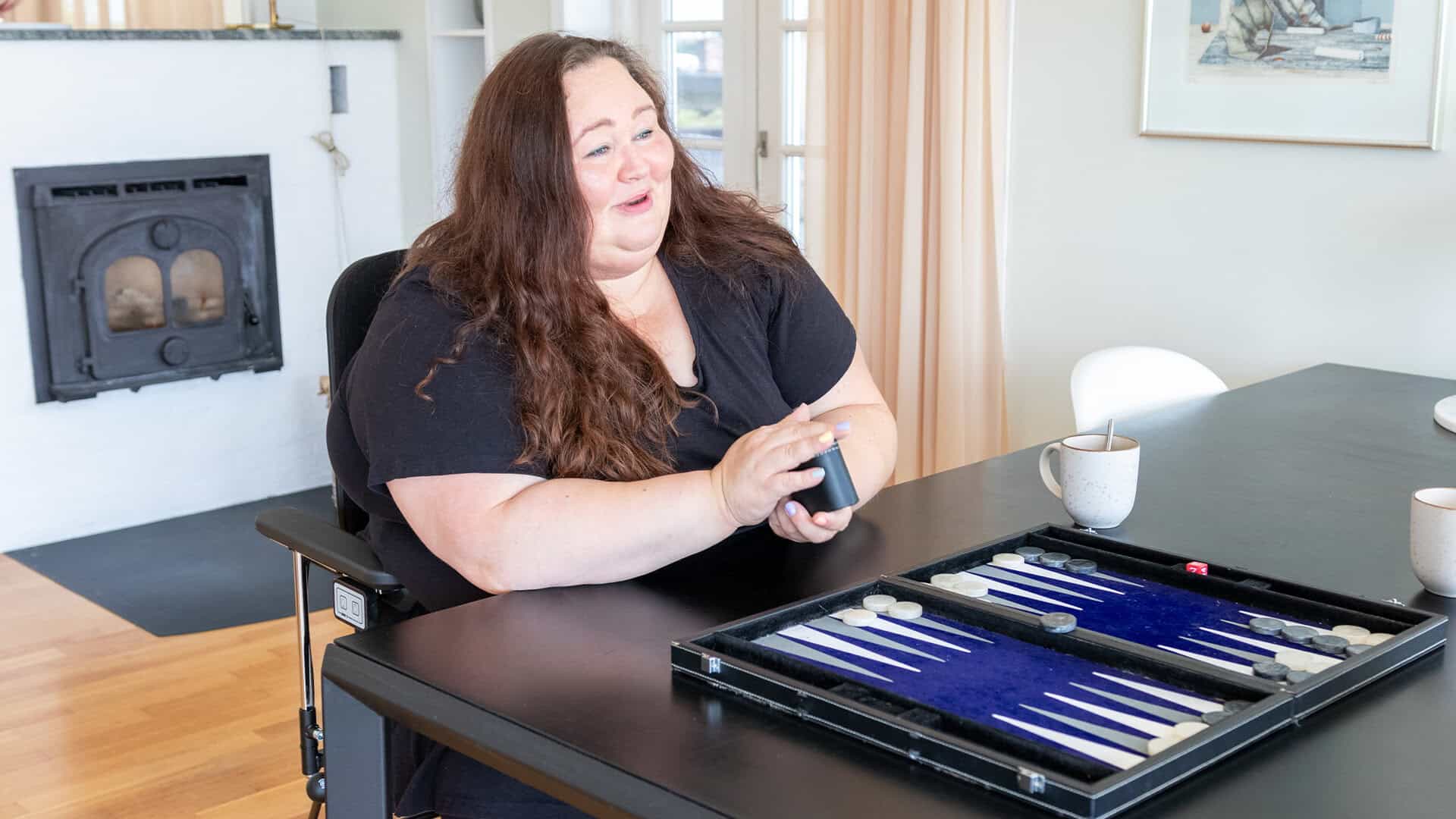
As nursing homes strive to offer comprehensive care, families often seek alternatives that enable their loved ones to remain at home. Aging-in-place presents an opportunity to blend independence with comfort, supported by innovations like the VELA Independence Chair. This medically approved mobility solution bolsters safety and facilitates freedom of movement, empowering seniors to complete daily activities like cooking or dressing with minimal caregiver assistance. Contemporary solutions now include smart wheelchairs and adaptive devices that learn from user patterns, further enhancing daily independence and reducing accident risks.[7] Smart home technologies, voice-activated controls, and automated environment adjustments are increasingly standard features in modern senior care.[3]
Exploring Alternatives to Nursing Homes
While nursing home care remains essential for many, the prospect of maintaining independence at home appeals to numerous seniors. Solutions like VELA Chairs offer practical support, reducing caregiver burden through features such as a central brake for enhanced safety and electric height adjustability. These chairs assist in everyday tasks, from cooking to relaxing, cultivating a balance of freedom and security in the home environment. In 2025, additional options include AI-driven mobility aids and health monitoring solutions that learn user needs, predicting support before issues arise, and telehealth platforms that enable continuous care oversight from a distance.[1] [7]
By offering multiple ways to manage daily activities safely and comfortably, VELA and other emerging solutions help prolong independent living and delay the move to assisted living. While not the only brands to address these changing needs, these chairs designed for elderly assistance and smart technologies illustrate how intelligent, adaptive design is transforming elder care by upholding independence, dignity, and safety for seniors and their families.