

Updated September 2025: We have updated the article with the latest advancements in AI-powered assistive devices, smart monitoring systems, brain-computer interface prosthetics, and new trends in ergonomic, connected mobility aids. The article now reflects recent findings on remote health monitoring, regulatory shifts improving access to assistive technology, and user-driven trends shaping quality care and autonomy in nursing home and home-based settings.
Navigating Nursing Homes Named “Ashley”: Quality and Options
Navigating the abundance of nursing homes with “Ashley” in their name can be overwhelming, especially when each facility varies significantly in quality and service. When considering options, it’s vital to evaluate each Ashley nursing home individually, understanding their specific strengths and potential challenges.
Understanding Ashley Nursing Homes: Locations and Ownership Structures
Ashley Nursing Homes consist of three major facilities: Ashley Rehabilitation and Health Care Center in Rogers, Arkansas; Ashley Healthcare Center in Ashley, Michigan; and Ashley Manor in Ashley, Ohio. Each of these homes operates under distinct ownership structures that influence their management and care standards.
According to ProPublica Nursing Home Inspect, the Arkansas facility is managed by a for-profit corporation owned by James & Judy Lincoln. It supports 100 certified beds but has considerably fewer residents, averaging about 61 daily. Meanwhile, ProPublica Nursing Home Inspect also documents that Ashley Healthcare Center, another for-profit establishment owned by Fahim Uddin, manages 63 certified beds with about 44 residents. Lastly, according to A Place for Mom, Ashley Manor in Ohio offers a more residential experience with amenities like private and semi-private rooms, catering to a smaller community setting typical of residential care homes.
Quality Metrics: Staffing Ratios and Care Standards at Ashley Facilities
Staffing ratios are crucial indicators of nursing home quality, profoundly affecting care standards. For example, Ashley Rehabilitation and Health Care Center averages 1.72 nurse hours per resident per day, which is significantly below the Arkansas state average of 4.1. This lower ratio could impact the quality of care, potentially contributing to higher nurse turnover rates, currently around 63.3% according to ProPublica Nursing Home Inspect. In contrast, Ashley Healthcare Center in Michigan averages 3.25 nurse hours per resident, better than the Arkansas facility but still beneath Michigan’s state average of 3.9 hours, coupled with a high turnover rate of 66.7% as per ProPublica Nursing Home Inspect.
Special Designations and Concerns: The CMS Special Focus Facility Program
Understanding the “Special Focus Facility” designation is crucial for anyone considering Ashley Healthcare Center in Michigan, which appears on this list due to persistent quality issues. According to the CMS Special Focus Facility list, facilities on this list have a documented history of significant deficiencies and are subject to more frequent inspections. Families should approach this facility with caution, investigating current improvement plans and considering this designation a red flag.
Specialized Care Services: From Dementia Care to Residential Options
Each Ashley facility offers unique care services designed to cater to specific resident needs. The Arkansas facility provides specialized dementia care services, as recognized by the Arkansas Department of Human Services. In comparison, Ashley Manor in Ohio offers routine assistance with daily activities in a more personalized residential care setting, supporting a community-focused approach.
A standout model is Ashley House, offering innovative care for medically fragile children, showcasing a commitment to diverse care options not found everywhere. As noted by Ashley House Northwest, this model provides a nurturing, home-like environment, illustrating the significant impact of specialized care.
Enhancing Independence and Proactive Care with Assistive Technology
Recent developments in assistive technology have transformed care for residents in nursing homes and those choosing home-based support. Facilities are increasingly adopting AI-powered mobility aids and health monitoring devices, including smart wheelchairs equipped with collision avoidance and autonomous navigation, wearable health trackers, and brain-computer interface prosthetics that offer natural movement and seamless integration with user intent. These technologies promote proactive health management by alerting caregivers to changes in vital signs, physical activity, or potential emergencies, thereby reducing hospitalization rates and improving overall well-being. In addition, shared control mechanisms and app-based customizations for devices create a more comfortable and personalized experience for users while reducing the physical and mental burden on caregivers.
Everything Medical Online, National Center for Biotechnology Information
New healthcare models, such as Medicaid managed care programs that feature enabling technology benefits, are broadening access to advanced assistive devices. This focus on regulatory and funding support for personalized technical aids enables more elderly and disabled individuals to age in place, reducing the necessity for long-term institutionalization and empowering residents with more choices and greater independence.
UnitedHealthcare Community & State
Choosing the Right Ashley Facility: Key Factors for Families to Consider
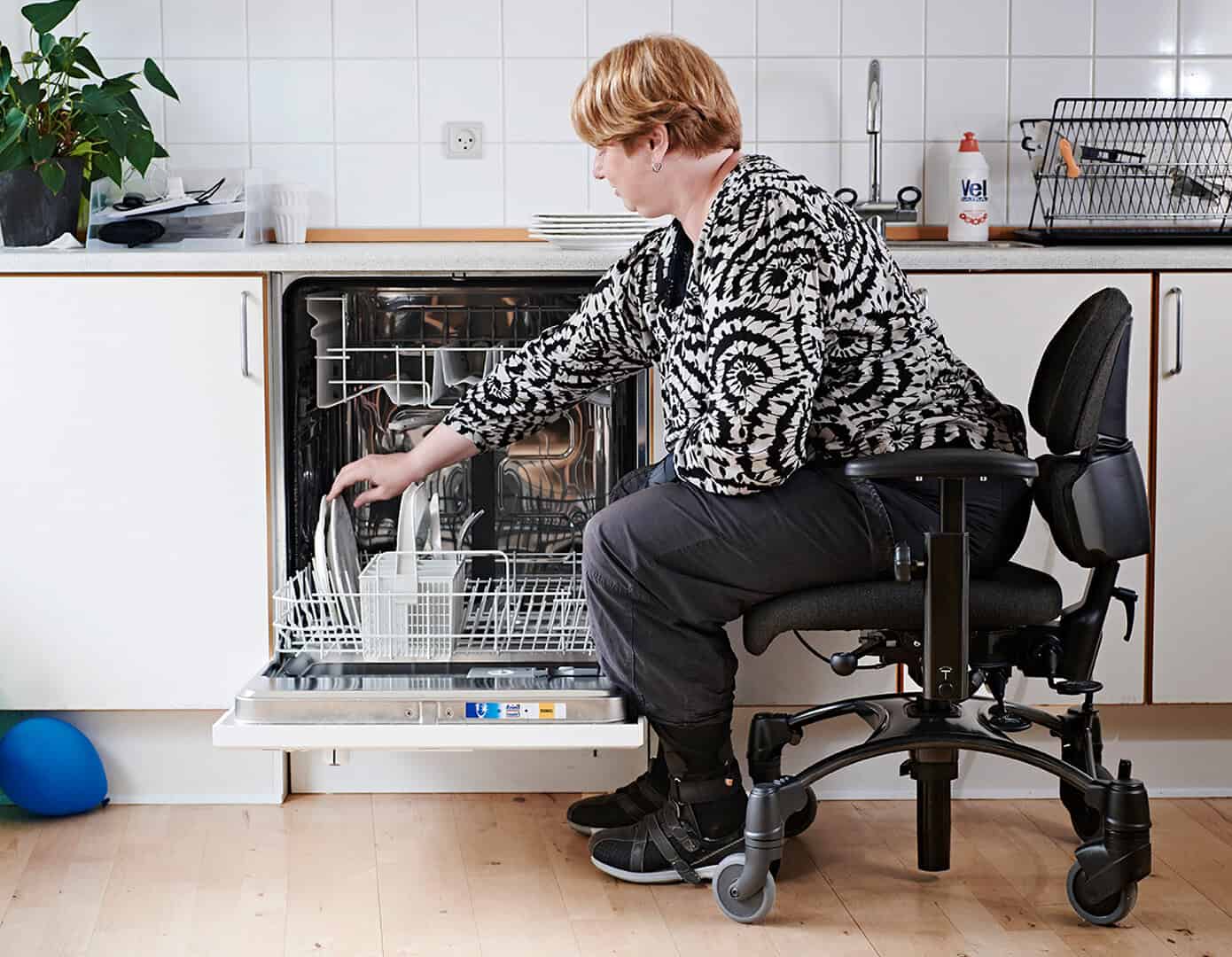
Choosing between a nursing home and home-based care is challenging, especially when factoring specialized mobility solutions like supportive seating options for elderly care. In the current landscape, families are increasingly considering technology-enabled independence, with connected aids and smart monitoring tools becoming preferred additions. Nursing homes offer structured environments, yet enhancements like VELA and ergonomic, AI-integrated devices can promote comfort and autonomy at home, aligning with each individual’s evolving needs.
Ability MT
In summary, when exploring Ashley Nursing Homes, it is vital to weigh these differences carefully, considering both traditional facility care and adaptive technology-driven home solutions. Your loved ones deserve a choice that respects their dignity and well-being, ensuring they thrive whether it’s in a nursing home or a tailored, tech-enabled home environment.
Mobility solutions such as VELA Chairs provide aging adults with the means to maintain independence, giving them and their families an alternative to nursing home care. These chairs are engineered to enhance safety at home while freeing informal caregivers from some of their daily burdens. Features such as a central brake system, electric height adjustability, and effortless movement capabilities allow seniors to safely perform day-to-day activities with greater ease and confidence. With the use of a VELA Chair, older adults can engage in cooking, dressing, and other personal tasks, thus delaying the potential need for institutional care. The flexibility offered by such supportive seating promotes dignity and independence, crucial elements in aging comfortably at home. While VELA is not the only option available, its practical benefits underscore its value in fostering a safer, more autonomous lifestyle for seniors.