

Updated January 2026: We have updated the article to reflect the latest regulatory changes in nursing home oversight, including the CMS repeal of 2024 minimum staffing mandates effective February 2026, rising severity and penalties of immediate jeopardy (Double G) citations, changes to CMS Five-Star health inspection ratings, and anticipated reductions in inspection frequency due to federal budget proposals. These developments impact risk management, compliance strategies, and overall safety considerations for nursing homes.
Immediate Jeopardy in Nursing Homes
What is Immediate Jeopardy in Nursing Homes?
Immediate jeopardy in the context of nursing homes signifies a critical regulatory status indicating that a facility’s non-compliance with federal regulations has severely jeopardized residents’ health and safety. According to the Centers for Medicare & Medicaid Services (CMS), this situation may expose residents to serious injury, harm, impairment, or even death. A startling 23% of US nursing homes faced this designation in 2019, emphasizing the urgent need for these institutions to uphold stringent safety standards. Wikipedia
Notably, the CMS guidelines clarify that “immediate jeopardy” does not require actual harm; the potential for harm suffices. This underscores the proactive responsibility nursing homes bear to prevent any situation that could endanger residents. For example, if a nursing home experiences severe understaffing, it may lead to inadequate supervision and care, resulting in potential harm to residents.
How Immediate Jeopardy is Identified and Investigated
The identification of immediate jeopardy starts with routine inspections or complaints lodged with regulatory bodies. According to GDLD Law, once a risk is suspected, regulators conduct a meticulous investigation to determine the severity of the issue.
Throughout the investigative process, officials scrutinize compliance records, interview staff, and evaluate facility conditions. The urgency in these situations is paramount; as highlighted by Rolf Goffman Martin Lang, swift corrective action is imperative, and failing to resolve issues can lead to rapid penalties, such as Medicare and Medicaid funding termination within as few as two days.
Recent developments indicate a significant rise in the number and severity of immediate jeopardy (“Double G”) citations across the United States, with an 18% increase from 2023 to 2024 and penalties escalating from $55.87 million to $65.97 million. State-level legislation and regulatory enforcement, such as Virginia’s 2025 reforms to staffing, inspection, and complaint management, underscore the complexity and urgency of identifying and correcting immediate jeopardy situations. New CMS regulations regarding transfer and discharge, effective from April 2025, have made navigating compliance even more challenging, and there remains notable variation in how these citations are enforced across different states and facilities.Long Term Care Community Coalition, 2025 Skilled Nursing News, 2025 Governor of Virginia, 2025Empeon, 2025
Additionally, a reduction in federal resources for inspections may affect oversight: proposed 2026 budget changes are expected to decrease the completion rate of routine nursing home surveys, prioritizing complaint investigations and potentially allowing facilities to go uninspected for longer periods. The CMS also modified its Five-Star Quality Rating System methodology in July 2025, now basing health inspection ratings on only the two most recent standard surveys, which is estimated to affect about 20% of facilities.LeadingAge, 2025 LTCCC, 2025
Consequences and Remedies for Immediate Jeopardy Deficiencies
Consequences for immediate jeopardy are severe and can range from financial penalties to the termination of federal funding, which can devastate a nursing home’s operations. Hall Render explains that these regulatory measures carry the most serious penalties due to their potential implications for resident safety.
Immediate corrective measures are non-negotiable and may include enhanced staff training, infrastructure upgrades, and implementing comprehensive monitoring systems to prevent recurrence. Facilities that fail to comply may face closure, illustrating how crucial it is for nursing homes to enact rapid and effective responses. With recent shifts in oversight and an increase in the number of immediate jeopardy violations, it is even more essential for facilities to be vigilant and fully adaptive to regulatory changes.
Importantly, in December 2025, the CMS repealed the 2024 minimum staffing standards, including requirements for 3.48 nursing care hours per resident per day and 24/7 RN coverage. This repeal takes effect on February 2, 2026 and is expected to have major implications for staffing levels and overall resident safety. Previous projections linked adequate staffing to saving thousands of lives annually, and the rollback has raised significant concerns among advocates and professionals.Skilled Nursing News, 2025KFF Health News, 2025
Preventing Immediate Jeopardy: Best Practices for Nursing Homes
Preventing immediate jeopardy in nursing homes requires a proactive, integrative management approach. Best practices involve:
- Robust staff training programs that ensure all care providers are knowledgeable about regulatory standards and safety protocols specialized for geriatric care.
- Comprehensive risk assessment protocols capable of identifying potential hazards before they impact residents.
- Adequate staffing levels to maintain vigilant and individualized care for all residents at all times, especially as federal staffing mandates change and oversight dynamics shift.
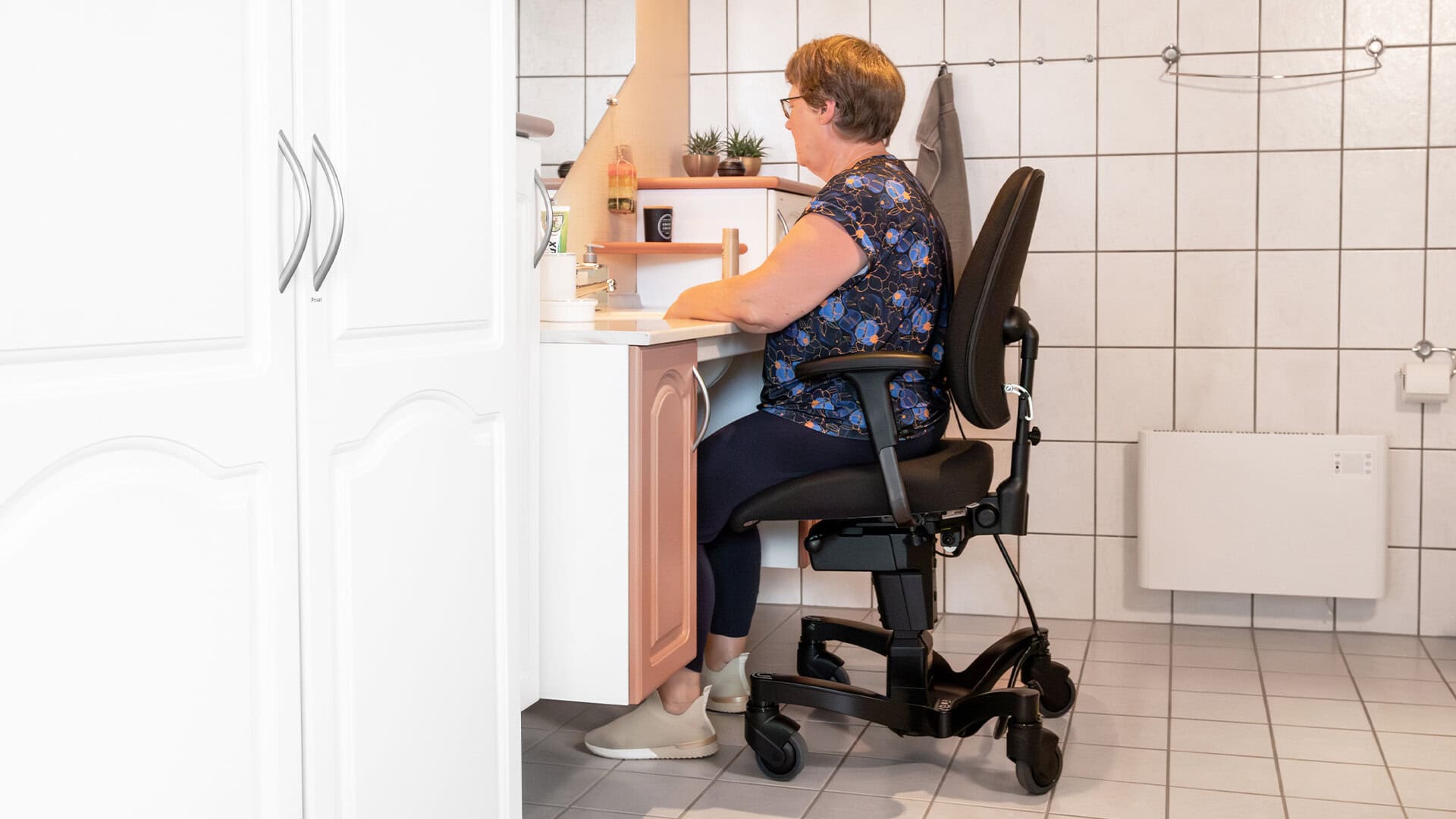
With these challenges, ensuring safety and compliance in nursing homes is critical. However, many older adults also hope to retain their independence by remaining at home. Solutions like the VELA Independence Chair can be instrumental. VELA is a medically approved mobility chair designed for home use, offering enhanced safety, freedom of movement while seated, and support for daily activities like cooking, dressing, or transferring—while also easing the burden on informal caregivers.
As the senior care landscape evolves, major advances in assistive technology and rehabilitation are reshaping what’s possible both in facility settings and at home. AI-powered smart glasses such as VisionX and NeuroVision Pro now provide real-time environmental recognition for visually impaired users, significantly enhancing orientation and safety. Brain-computer interface (BCI) powered prosthetics—such as the NeuroGrip Arm—allow users intuitive control through neural signals, marking unprecedented gains in independence.Carr, 2025 Think Beyond The Chair, 2025 Equal Accessibility, 2025Keyway Medical, 2025
Smart wheelchairs, now equipped with AI-powered obstacle avoidance, autonomous navigation, sensor-based seat adjustment, and health monitoring, are increasingly available and help prevent falls and enhance mobility for users with complex needs. Robotic exoskeletons and advanced, customizable prosthetics support physical rehabilitation and improved ergonomic safety by fostering natural, user-friendly movement and quicker recovery. Wearable technology—including systems for posture monitoring and pressure sore prevention—has become more integrated, enhancing daily comfort and reducing the incidence of injury. Adaptive input devices and voice recognition software further improve computer accessibility for individuals with dexterity impairments. Smart home integrations with these technologies enable even greater personalization of care environments.AbilityMT, 2025Keyway Medical, 2025Equal Accessibility, 2025Think Beyond The Chair, 2025
Nationwide, experts and advisory boards are calling for strengthened dementia care training, better compensation for the direct care workforce, and expanded use of these smart technologies to effectively reduce the underlying risks that lead to immediate jeopardy—including preventable injuries, unsafe transfers, and lack of adequate supervision resulting from understaffing.Age Friendly RI, 2025
Effectively addressing immediate jeopardy is essential for nursing homes striving to offer secure and high-quality care to their residents. While traditional facilities can provide such comprehensive care, adopting advanced mobility aids and exploring alternative care models can also play pivotal roles in promoting resident safety and well-being. As the landscape of senior care continues to evolve, it remains crucial for these institutions to maintain vigilance and integrate innovative solutions to support their residents’ comfort and autonomy.
Frequently Asked Questions About Immediate Jeopardy
- What does immediate jeopardy mean in a nursing home survey? It signifies severe non-compliance that threatens resident health and safety.
- What happens to a facility after an immediate jeopardy citation? The facility must implement immediate corrective actions or face severe penalties, including potential closure.
- How quickly must immediate jeopardy issues be corrected? Responses can be required in as few as two days due to the severity of the threat.
- How can families check if a nursing home has been cited for immediate jeopardy? Families should review public records, inspection reports, or directly contact the facility for transparency.
- What are examples of failures that might result in immediate jeopardy? Instances such as medication errors, neglect leading to resident injuries, or inadequate responses to emergencies are potential triggers.
- How do citations affect resident safety and care quality? These citations typically signal serious care deficiencies that must be addressed promptly to ensure resident safety and quality of care.
How Mobility Solutions Like VELA Make a Difference
In the quest to extend independence at home, VELA Chairs offer a practical solution for some individuals by promoting safety, easing transfers, and reducing caregiver workload. Equipped with features like a central brake for stability, electric height adjustability to aid transitions, and easy mobility while seated, the VELA Chair helps address common issues such as fall risks and energy conservation. This deft balance of support and autonomy allows users to manage daily tasks—whether it’s cooking, relaxing, or cleaning—with renewed dignity and freedom. While no single aid suits everyone, VELA stands as a tested option within an array of modern solutions designed to delay the need for nursing home care and ensure aging individuals can continue living independently, maintaining their quality of life at home for as long as possible.
Long Term Care Community Coalition, 2025
Carr, 2025
Think Beyond The Chair, 2025
Equal Accessibility, 2025
Skilled Nursing News, 2025
Governor of Virginia, 2025
AbilityMT, 2025
Empeon, 2025
Keyway Medical, 2025
Age Friendly RI, 2025
LeadingAge, 2025
LTCCC, 2025
Skilled Nursing News, 2025
KFF Health News, 2025