

Updated September 2025: We have updated the article to reflect the new ownership and operational management of Kinzua Healthcare and Rehabilitation Center as of October 2024, including the continued commitment to care amidst recent industry changes. The article now covers the latest Pennsylvania nursing home regulations with stricter staffing requirements that went into effect in July 2023 and were heightened in July 2024, impacting care quality and daily staffing. Additionally, we include current trends in assistive technology, such as the integration of smart mobility aids and advances in rehabilitation practices, to better support resident independence.
Kinzua Nursing Home: A Comprehensive Guide
Located in the heart of Warren, Pennsylvania, the Kinzua Healthcare and Rehabilitation Center is a prominent skilled nursing facility known for its extensive care services. With an estimated occupancy rate of 83.01%, this medium-sized, for-profit center caters to various resident needs according to Medicare’s Nursing Home Compare tool. While it has received mixed reviews—a B- from Elder Guide and a D from Nursing Home Shopper—the facility’s strategic position near Warren General Hospital enhances its accessibility and potential care outcomes.
Overview of Kinzua Healthcare and Rehabilitation Center
Kinzua Healthcare and Rehabilitation Center aims to provide a nurturing environment that emphasizes health and rehabilitation. As a for-profit entity, Kinzua prides itself on its diverse service offerings. The facility’s proximity to Warren General Hospital allows residents convenient access to additional medical services, ensuring comprehensive care according to Elder Guide.
The center’s average size fosters personalized attention and a community-like atmosphere. In October 2024, following approval earlier in the year, Kinzua underwent an ownership and operational transfer from Guardian Healthcare to Oxford Valley Health. Despite the parent’s bankruptcy proceedings, the facility remains open and has reaffirmed its commitment to quality care, focusing on stability and continuity for both residents and staff [1][7][3].
Ownership demonstrates a clear commitment to quality healthcare, though the facility faces challenges similar to others in the industry. Kinzua’s ability to offer specialized services while maintaining a community feel adds to its appeal for prospective residents and their families.
Quality Ratings and Inspection Results
Although Kinzua Healthcare and Rehabilitation Center offers a commendable range of services, its inspection outcomes have varied, with certain compliance issues noted. According to a March 2025 inspection, Kinzua faced several compliance challenges as reported by ProPublica Nursing Home Inspect. Despite these issues, Kinzua ranks 59th out of 687 in Pennsylvania in healthcare safety, indicating potential areas for improvement according to the Pennsylvania Department of Health.
Recent regulatory updates in Pennsylvania have resulted in stricter state oversight and requirements to promote higher care standards. From July 2023 and further tightened in July 2024, new staffing regulations mandate at least 3.2 direct care hours per resident per day, up from 2.87. Certified Nursing Assistants (CNAs) are required at a ratio of 1 per 12 residents, and Licensed Practical Nurses (LPNs) at least 1 per 25 residents during day shifts. These measures are stringently enforced by health inspectors and are designed to improve service quality and resident safety across all long-term care facilities [2][4][6][8].
Specialized Services and Care Programs
At Kinzua, the emphasis is on both care and enhancing life quality. The center offers specialized services such as stroke recovery, diabetes management, and physical therapies, ensuring holistic care for residents. Daily activities and recreational programs are also available to promote residents’ physical and mental well-being, as noted by Elder Guide.
The facility provides skilled nursing care daily, now with attention to the updated staffing ratios and direct care hour requirements mentioned above. This enhanced staff presence supports a safer, more personalized care experience and faster response times. Residents benefit from ongoing care, whether through planned activities like music programs or movie nights. The attention to diverse services aligns with Kinzua’s mission to improve resident quality of life.
Facility Amenities and Community Environment
Kinzua offers a range of amenities designed to enhance the living experience, including an arts room, game room, library, garden, and walking paths. These amenities promote an active and engaged lifestyle, appealing to residents who value community engagement and social interaction.
The center’s location, less than a mile from Warren General Hospital, not only provides peace of mind but also facilitates quick access to healthcare services. The convenience of nearby medical assistance is a significant advantage for residents requiring frequent medical attention.
Medicare and Medicaid Coverage Options
Financial planning is a crucial aspect of long-term care decisions. Kinzua accepts both Medicare and Medicaid, making quality care more accessible to a broader range of residents, according to Seniorly. Insurance acceptance aids in financial management and planning, which is vital given the unpredictability of healthcare costs.
The evolving nature of Medicare and Medicaid presents both opportunities and challenges, necessitating awareness of potential future changes that may affect coverage.
Enhancing Senior Care with Mobility Solutions
Current best practices in resident support emphasize the use of modern assistive technologies. Industry trends since mid-2025 highlight increased integration of smart mobility devices. These innovations enable remote monitoring of health and mobility status and offer real-time support for residents and staff. Ergonomically designed mobility aids tailored to older adults help reduce risk of injury and support greater independence. Newer product development has been shaped by inclusive feedback loops, making assistive solutions more adaptable to individual needs.
Rehabilitation programs are also shifting toward tele-rehabilitation and AI-guided adaptive therapies, allowing for unique, resident-centered recovery plans and ongoing function maintenance. These solutions are increasingly important in light of heightened staffing standards, as they help maximize resident safety and autonomy while supporting staff workloads [3].
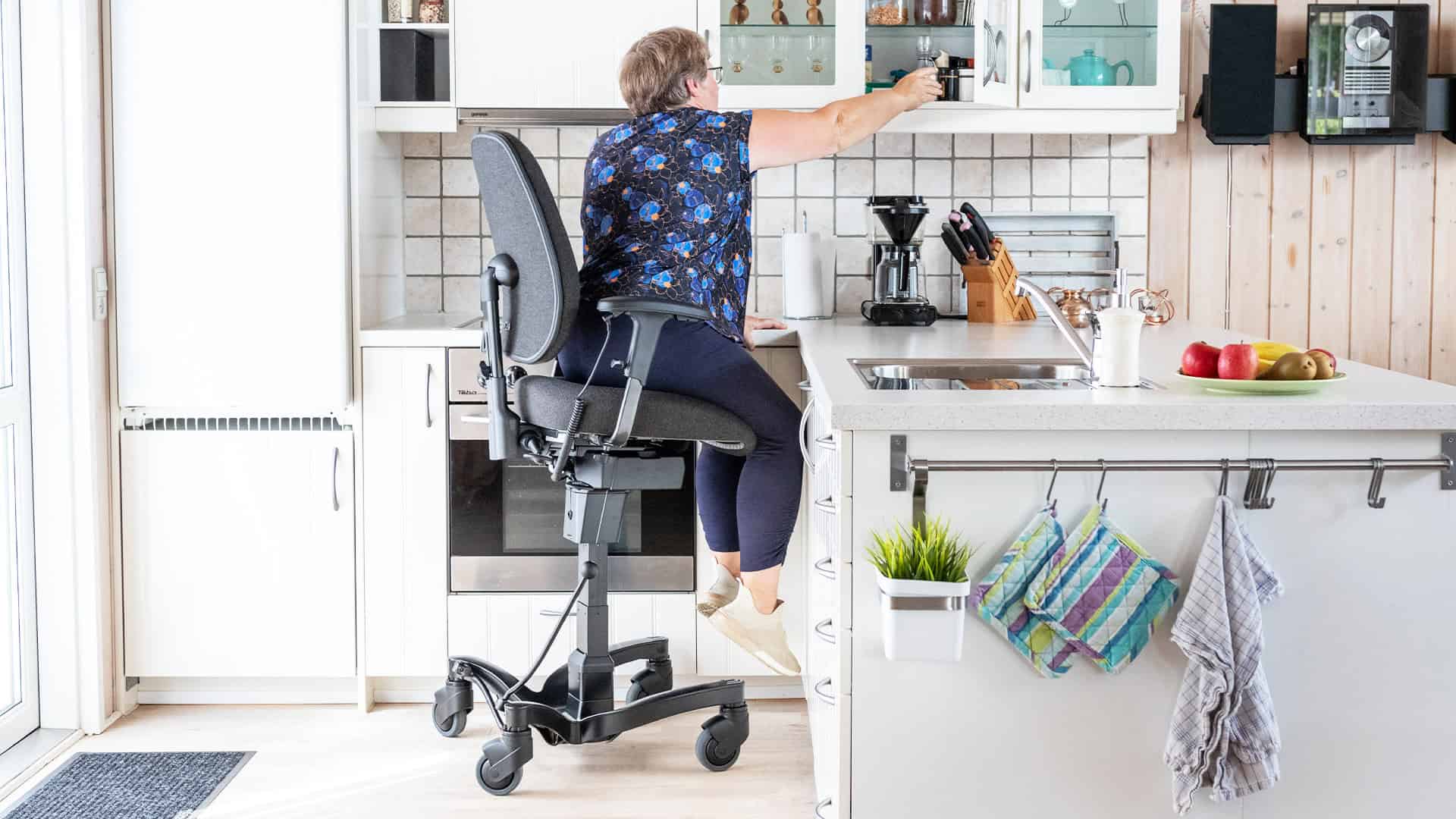
Discussing how Kinzua supports residents’ mobility and daily independence, solutions are needed to maintain elderly independence while reducing reliance on facility stays. Alternative strategies, including mobility aids, play a crucial role in supporting those who prefer the comfort of their own homes over extended nursing home stays. Chairs designed for elderly safety and independence like VELA offer such a solution. As medically approved mobility chairs, VELA provides enhanced safety and freedom of movement while seated. They support daily activities such as cooking, dressing, or transferring from one place to another, thereby lightening the burden on informal caregivers.
Exploring Alternatives to Nursing Homes
How can older adults remain independent longer while easing caregivers’ tasks? Mobility solutions like the VELA Independence Chair for enhanced mobility answer by enabling seniors to manage daily life more safely and energetically at home. Featuring a central brake for safety, electric height adjustability, and easy movement, these chairs support activities like cooking or cleaning. Picture the difference: with a VELA chair, seniors move confidently, manage household tasks, and relax with greater ease; without it, they might face challenges in safety and energy. Such features not only reduce fall risks but also provide the dignity of independence, delaying the need for nursing home care. VELA doesn’t stand alone as a solution, but it’s a practical way to support aging in place, maintaining the balance of autonomy and support that many families seek for their loved ones.