

Updated January 2026: We have updated the article to reflect the repeal of federal minimum nurse staffing standards for nursing homes, new CMS Five Star rating methodologies, current regulatory requirements, and major advances in assistive technology including AI-powered smart mobility aids, exoskeletons, and telehealth integrations, as well as their impact on resident safety and autonomy.
Nursing Home Las Cruces: A Comprehensive Guide to Care Options
Finding the right nursing home in Las Cruces can be overwhelming due to the variety of options available and the critical need to make an informed decision for your loved ones. As Las Cruces grows, it offers a diverse range of nursing homes customized to meet various health needs. With an average cost of approximately $4,153 per month, making a thoughtful choice is financially significant. According to Medicare.gov and the Nursing Home Law Center, it’s essential to understand the dynamics of nursing homes in Las Cruces, from facility reputations to financial considerations.
Understanding Nursing Homes in Las Cruces
Las Cruces features a range of nursing home facilities offering distinct types of care, including skilled nursing, memory care, and rehabilitation services, addressing various senior health needs. According to Medicare.gov, the area hosts around 14 nursing homes, providing diverse choices for residents. The reputation of these homes often reflects in their CMS star ratings, which are critical indicators of the level of care provided. Ratings can vary, necessitating their consideration when assessing options for your family member (NursingHomes.com, A Place for Mom).
Profiles of Top-Rated Nursing Homes
Certain facilities in Las Cruces stand out due to their exceptional services and quality of care. For instance, the Good Samaritan Society Las Cruces Village, with a rating of 4.1 out of 5, is renowned for its campus-like environment and comprehensive care services. Residents frequently commend the community’s nurturing environment and the staff’s dedication. Similarly, Las Cruces Village Nursing & Rehabilitation LLC is praised for its specialized programs and commitment to maintaining high care standards.
Evaluating Medicare Ratings and What They Mean
Understanding the Medicare rating system is imperative when selecting a nursing home. As of 2025 and into 2026, the Centers for Medicare & Medicaid Services (CMS) have implemented key updates to the Five Star Quality Rating methodology. The revised system now places increased emphasis on recent (the two most recent) health inspections and integrates updated metrics regarding antipsychotic medication use, along with averaged ratings for nursing home chains. These changes aim to give a more accurate and current reflection of facility performance and may shift facility rankings (AHCANational, CMS.gov, Reed Smith Medicare Advocacy).
The rating includes components such as health inspections, staffing, and quality measures. Health inspection scores highlight adherence to federal safety and health standards. Staffing ratings evaluate care and management, though note that as of February 2026, minimum nurse staffing standards (including 3.48 hours per resident per day and 24/7 RN coverage) are no longer federally mandated (Federal Register, Medicare Rights Center). Facilities continue to conduct enhanced assessments to determine appropriate staffing based on resident needs (Reed Smith). Quality measures evaluate residents’ physical and clinical outcomes. Comparing these ratings with state and national averages provides a comprehensive look at the expected care quality (Medicare.gov, Nursing Home Law Center).
CMS’s updated surveyor guidance emphasizes strengthened requirements on medical director oversight and quality assurance practices, with improvements directed at better oversight and resident well-being (Paltmed, Reed Smith).
Costs and Financial Considerations for Nursing Home Care
Navigating the financial intricacies of nursing home care is crucial for effective planning. In Las Cruces, the average cost is around $4,153 per month, although this can vary based on required care levels (A Place for Mom). Aside from personal savings, Medicare and Medicaid are viable options for covering costs, subject to specific conditions. An understanding of these conditions and exploring financial aid options is vital for those planning long-term care. Engaging financial planners experienced in elder care can offer valuable insights and support in this domain.
With current advances in assistive technology and changing regulatory frameworks, seniors and families have an increasing array of tech-enabled options for supporting mobility and independence. The latest trends include adoption of AI-driven mobility aids incorporating fall detection, GPS, wearable sensors, telehealth platforms, and even robotic exoskeletons to assist movement and safety in senior care settings (Everything Medical Online, Mindbowser, SynchronyFL, UnitedHealthcare Community & State). These smart technologies not only support vital sign monitoring and predict potential health concerns but also enable prompt alerts for caregivers, reducing the likelihood of falls, hospitalizations, and injuries, and lessening caregiver workload (Reed Smith, Mindbowser).
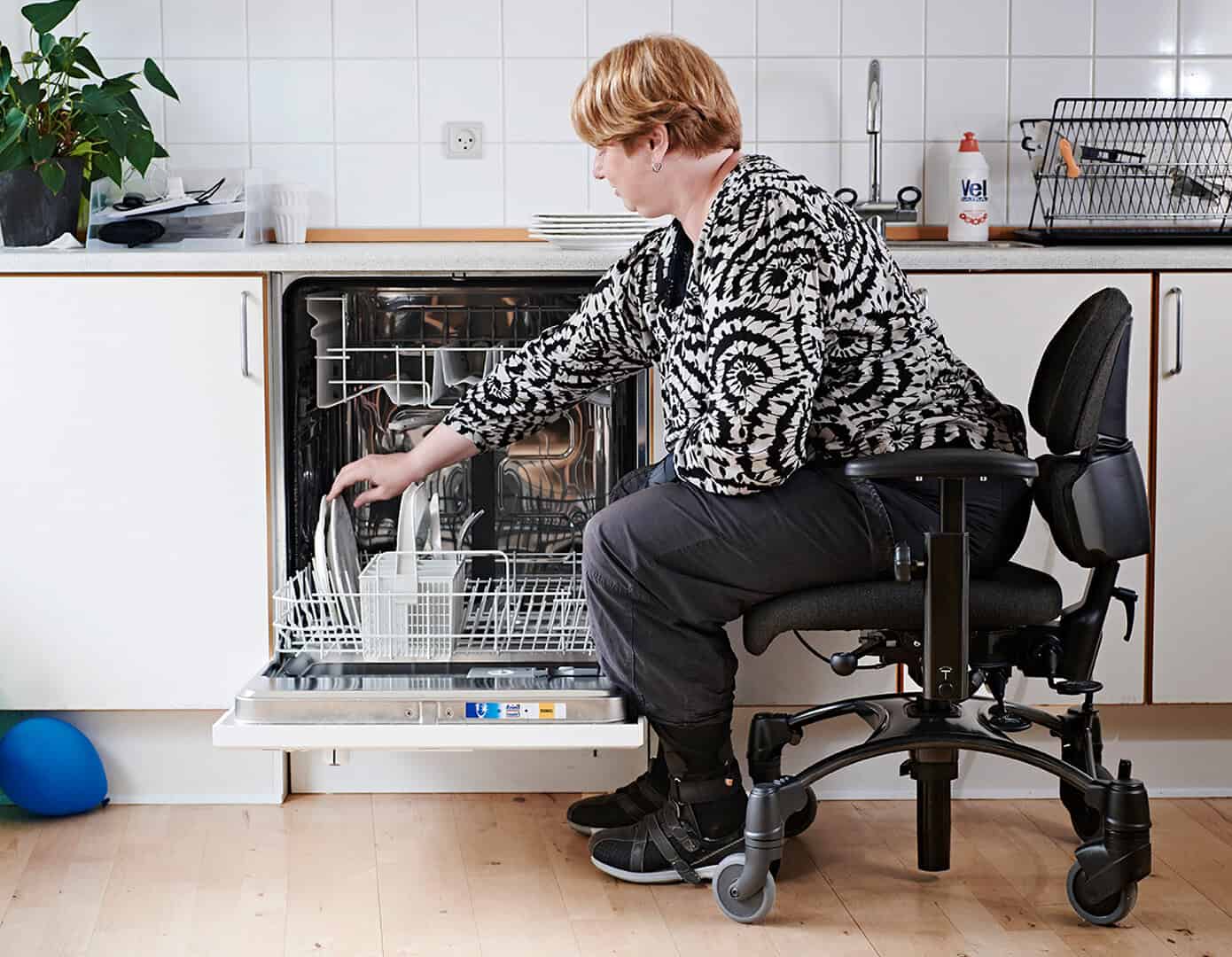
Transitioning from discussing nursing home challenges, many seniors and their families are increasingly exploring solutions that support independence while addressing common concerns like mobility and fall risks. One such option is the VELA Independence Chair, a medically approved mobility chair designed for use at home. It enhances safety and freedom of movement while seated, supporting daily activities such as cooking, dressing, or transferring, and it simultaneously reduces the load on informal caregivers. By offering stability and facilitating ease of use, VELA chairs present a compelling alternative for seniors aiming to maintain independence.
Exploring Alternatives to Nursing Homes
Opting to stay independent at home with the aid of mobility solutions like the VELA Chair can significantly enhance a senior’s quality of life. This chair features a central brake for safety, electric height adjustability for ease in reaching various surfaces, and smooth mobility while seated. These attributes help prevent falls and conserve energy, enabling daily tasks like cooking or cleaning to be accomplished more comfortably and safely. In addition to solutions like the VELA Chair, current best practices encourage the use of technology-enabled care models. Examples include AI-powered walkers, robotic exoskeletons, smart home assistants, automated lighting, and remote monitoring tools—all contributing to fall prevention and supporting autonomy for older adults (SynchronyFL, UnitedHealthcare Community & State, Everything Medical Online, Mindbowser). By offering such practical support, the need for transitioning to a nursing home might be delayed, thereby preserving dignity and freedom for seniors. Though VELA is one valuable solution, it’s essential to consider all available options when planning for aging in place, thus ensuring a life enriched with capability and security. For more on help for elderly at home, exploring personalized aids can supplement traditional care effectively.
- Recent Legislative and Regulatory Updates for Long-Term Care Facilities (Reed Smith, post-May 2025)
- CMS Rescinds Nursing Home Nurse Staffing Rule (Medicare Advocacy, post-May 2025)
- CMS Rescinds Nursing Home Staffing Requirements (Medicare Rights Center, December 2025)
- Repeal of Minimum Staffing Standards for Long-Term Care Facilities (Federal Register, December 3, 2025)
- Implementing Transforming Episode Accountability Model (CMS PDF, post-May 2025)