

Updated January 2026: We have updated the article with the latest information on AI-driven assistive technologies, IoT-integrated mobility aids, voice-activated and robotic devices, expanded telehealth and virtual therapy options, and key trends in personalized, proactive, and insurance-supported home care models for seniors in Dallas.
Home Care Assistance in Dallas: Navigating the Growing Needs
The demand for home care assistance in Dallas is surging, fueled by the burgeoning senior population. According to the Dallas City Hall, there is an expected 86% increase in the senior demographic by 2040, emphasizing the urgency for quality care solutions. This statistic underscores the necessity for targeted and effective home care strategies.
Navigating the Growing Demand for Senior Home Care in Dallas
Driven by demographic and socioeconomic factors, Dallas’s home care landscape is undergoing significant transformation. In 2021, seniors aged 65 and older represented about 10.7% of Dallas’s population, growing at a rate five times faster than other age groups from 2010 to 2020, as reported by the Dallas City Hall. This rapid growth predicates an increased demand for diversified senior services.
Alarmingly, approximately 31,500 residents over 60 live below the federal poverty line in Dallas, significantly affecting their access to crucial care and support resources, as noted by Community Impact. Additionally, about 30% of these seniors live alone, amplifying the risks of social isolation and inaccessibility to essential services. In high-poverty areas, these challenges are even more pronounced, necessitating a deep understanding of the specific needs of this vulnerable population.
Overcoming Challenges in Providing Home Care Services in Dallas
Effective home care delivery in Dallas faces substantial hurdles, including a critical caregiver shortage exacerbated by the COVID-19 pandemic. Doni Green, director of aging programs at the North Central Texas Council of Governments, notes that the majority of care is provided by home health aides and personal care aides rather than licensed professionals, as highlighted by Dallas City Hall. This highlights the dire need for a bolstered workforce in the home care sector.
Families often struggle to secure reliable care amid the pandemic’s lingering effects, with many service providers unable to restore pre-pandemic operation levels. Inflation and housing shortages compound these challenges, necessitating the exploration of innovative solutions for senior care. New trends in policy, such as guidance from the World Health Organization (WHO), emphasize improving access to assistive products through universal and inclusive approaches, workforce capacity development, and the integration of user perspectives, especially for underserved populations.
Choosing the Best Home Care Providers for Dallas Seniors
Choosing an appropriate home care provider is vital for ensuring senior well-being. Elements such as proper licensing, certifications, and customer reviews are crucial. Home Care Assistance of Dallas, located at 5005 Addison Circle, Addison, TX, holds a 4.7/5 star rating on Caring.com, illustrating its reputation.
Real-life accounts from satisfied families reveal the transformative impact of high-quality care on elderly relatives. Such narratives emphasize the importance of conducting thorough checks when selecting a provider, guaranteeing seniors receive compassionate and comprehensive care. Alongside traditional standards, providers that now offer advanced smart assistive technologies—including AI-driven devices, voice-activated aids, and IoT-based monitoring—are increasingly recognized for enhancing independence and safety at home for seniors (AllSeniors.org, 2026). Key offerings may include smart wheelchairs with automatic fall detection and caregiver alerts, remote vitals monitoring using wearables, and connected in-home sensors to help prevent hospitalizations and reduce caregiver burden (AllSeniors.org, 2026; Dosepacker, 2026).
The growing use of telehealth—including virtual PT/OT sessions supported by AI motion tracking—and insurance expansions for home-based care, is now a critical consideration. These approaches improve accessibility for limited-mobility seniors and enable personalized, proactive interventions that foster long-term independent living (University of Florida Institute on Aging, 2025).
Enhancing Home Care with Innovative Solutions
While traditional nursing homes play a critical role, many seniors prefer the comfort and independence of aging in place. Home care assistance services coupled with the right supportive aids are key to achieving this goal. Rapid developments since 2025 show that Dallas-area home care often incorporates smart home integration, advanced mobility technologies, and AI-powered aids. For example, smart wheelchairs and robotic exoskeletons use AI to provide predictive analytics for fall risk, real-time vitals monitoring, and caregiver notifications, strengthening safety and reducing hospitalization rates (AllSeniors.org, 2026; Dosepacker, 2026).
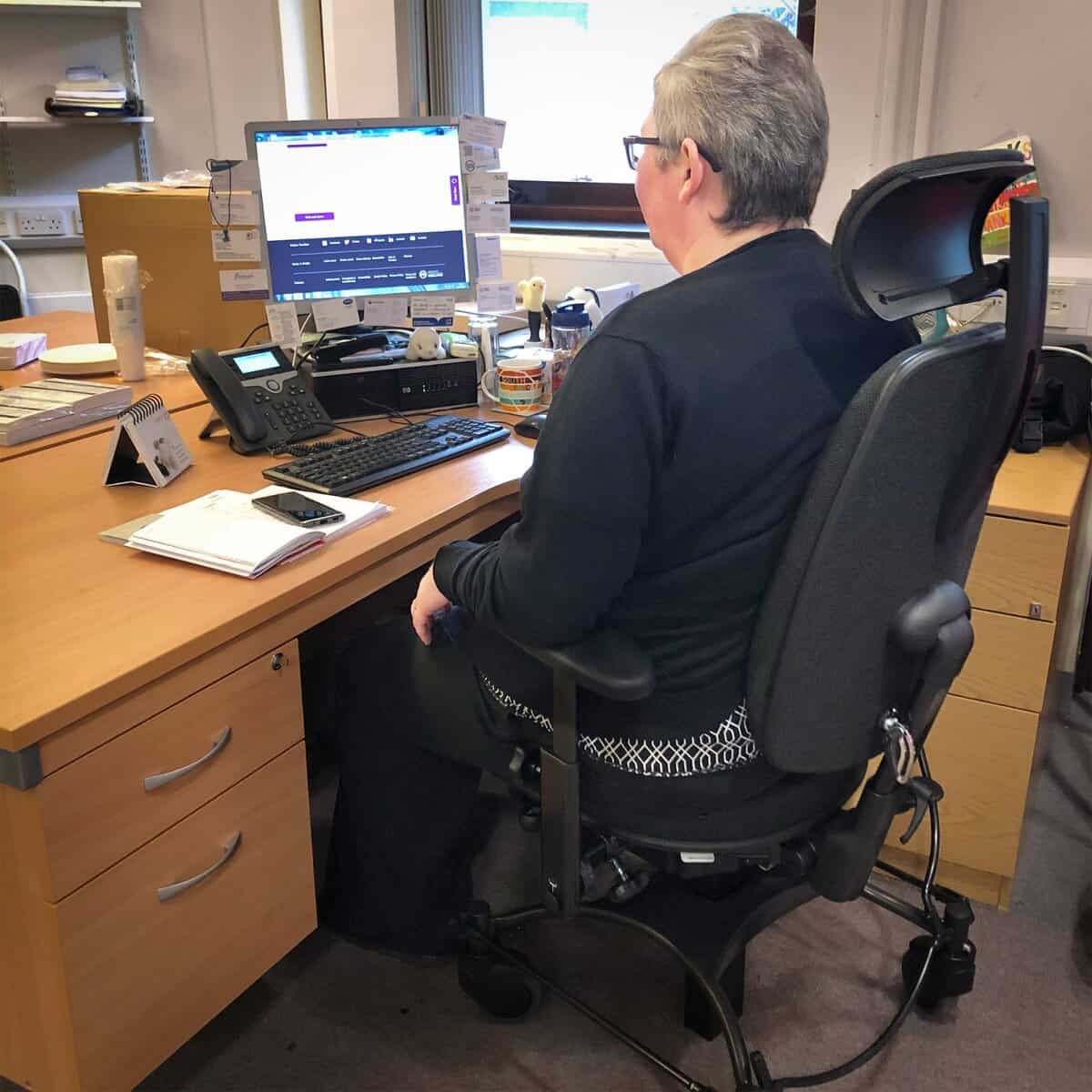
The VELA Independence Chair, a medically approved mobility chair designed for home use, continues to exemplify this trend in user-centered aids. The latest designs integrate not just ergonomic supports and central brakes, but now also smart technology capabilities, such as usage tracking and personalized settings. The wider adoption of lightweight ergonomic materials, adaptive robotics, and intuitive feedback systems ensures comfort even for those with neurological conditions (AllSeniors.org, 2026; iHealthcareAnalyst, 2025).
By reducing the physical strain on informal caregivers, VELA chairs offer a practical and effective solution for seniors desiring to maintain autonomy and dignity in their everyday living. Smart home devices, such as voice-activated controls for lighting and safety, and AI-enabled medication dispensers, are also part of modern home ecosystems for seniors, offering hands-free convenience and proactive reminders (University of Florida Institute on Aging, 2025). Robotics and AI assistants are now being developed with enhanced personalization and intuitive responses to individual needs, which further promote safe and independent living (Dosepacker, 2026).
Home care technologies are also more user-friendly, customizable, and connected than ever before. Wearables and in-home sensors continuously monitor health parameters and environmental safety, providing predictive insights for caregivers and healthcare providers (AllSeniors.org, 2026). With robust telehealth integration—enabled by ongoing policy support—Dallas residents can access virtual therapy, remote doctor consultations, and AI-guided rehabilitation in the comfort of their homes, with insurance coverage now widely supporting these services (AllSeniors.org, 2026).
Empowering Seniors with Comprehensive Home Care Solutions
Home care assistance in Dallas is paramount to fulfilling the varied needs of its growing senior population. By tackling documented challenges—demographic, economic, and otherwise—and embracing innovations like VELA mobility chairs, AI-integrated aids, and connected home devices, the market can better serve elderly residents. Evidence-based models favor personalized, proactive, and wellness-centered environments—now increasingly supported by insurance and expanded telehealth coverage through January 2026 (AllSeniors.org, 2026; Trust Home Care, 2026).
With the right strategies and resources, seniors in Dallas can enjoy a better quality of life, greater security, and the dignity of aging in their own homes. The future of senior care in Dallas hinges on addressing current challenges while fully embracing the opportunities provided by advanced, smart, and inclusive care solutions.
Sources
- WHO (2024), Assistive Technology Fact Sheet: global priorities and framework for access
https://www.who.int/news-room/fact-sheets/detail/assistive-technology - Ability MT (2025), Latest Assistive Technology for People with Disabilities — Autonomous wheelchairs and sensor upgrades
https://abilitymt.org/blog/assistive-technology-people-disabilities - PMC (2025), Integrating AI and Assistive Technologies in Healthcare — AI-powered prosthetics, exoskeletons, and cognitive aids
https://pmc.ncbi.nlm.nih.gov/articles/PMC11898476/ - Special Needs Answers (2024), How AI Supports Assistive Technology — AI’s role in ambient environment sensing and adaptive hearing aids
https://specialneedsanswers.com/how-ai-is-supporting-assistive-technology-20454 - PR Newswire (2025), Assistive Technology Market Growth — Trends in AI, IoT, and wearable tech for assistive devices
https://www.prnewswire.com/news-releases/assistive-technology-at-market-to-grow-by-usd-6-3-billion-from-2025-2029–driven-by-rising-orthopedic–neurological-disorders-with-ai-impact—technavio-302371177.html - Digital Learning Institute (2024), Revolutionising Accessibility: AI in Assistive Technology — Speech recognition, predictive text, and adaptive learning environments
https://www.digitallearninginstitute.com/blog/revolutionising-accessibility:-the-role-of-ai-in-assistive-technology - BraunAbility Blog (2024), Assistive Technology for People with Disabilities — Overview of innovations in mobility and communication aids
https://www.braunability.com/us/en/blog/accessible-living/assistive-technology.html - Cyces (2025), AgeTech Trends 2025: AI, Robotics & the Future of Aging: AI wearables, telemedicine, and smart home ecosystems
https://cyces.co/blog/2025-agetech-trends - Juniper Communities (2025), Senior Living Trends in 2025: wellness-centered care and personalized environments
https://junipercommunities.com/senior-living-trends-in-2025/ - Envision (2025), What’s Next for 2025: The Future of Assistive Technology & AI: advanced AI assistants and inclusive design
https://www.letsenvision.com/blog/future-assistive-technology - iHealthcareAnalyst (2025), Geriatric Assistive Devices Market: Trends, Technologies & Outlook: AI, IoT, biomaterials, and mobility aids
https://www.ihealthcareanalyst.com/geriatric-assistive-devices-trends-technologies-outlook/ - AARP (2024), Tech Adoption Continues Among Older Adults: technology usage, spending, and support needs
https://www.aarp.org/pri/topics/technology/internet-media-devices/2025-technology-trends-older-adults/ - ResearchAndMarkets.com via GlobeNewswire (2025), U.S. Assistive Technologies for Older Adults Market Analysis Report 2025: trends for independent living solutions and adoption
https://www.globenewswire.com/news-release/2025/09/22/3153701/0/en/U-S-Assistive-Technologies-for-Older-Adults-Market-Analysis-Report-2025-Emerging-Opportunities-in-Smart-Home-Devices-Medical-Alerts-Mobility-Aids-and-Home-Modifications.html - Durable Medical Equipment Trends for Aging Seniors and Caregivers in 2026, AllSeniors.org
https://allseniors.org/articles/top-durable-medical-equipment-trends-for-aging-seniors-and-caregivers-in-2026/ - Emerging Home Health Services for Seniors: Trends in Aging Care 2026-2027, AllSeniors.org
https://allseniors.org/articles/emerging-home-health-services-for-seniors-trends-in-aging-care-2026/ - Senior Living Trends to Watch in 2026, Dosepacker
https://dosepacker.com/blog/senior-living-trends - Assistive Technology Devices: Helping Seniors Age in Place, University of Florida Institute on Aging
https://online.aging.ufl.edu/2025/03/19/assistive-technology-devices-helping-seniors-age-in-place/ - Elder Care in 2026: Trends to Watch, Trust Home Care
https://www.trusthomecare.info/elder-care-in-2026-trends-to-watch/ - Long-Term Care 2026 Trends and Outlook, Provider Magazine
https://www.providermagazine.com/Articles/Pages/Long-Term-Care-2026-Trends-and-Outlook.aspx