

Updated September 2025: We have updated the article with the latest trends in Atlanta independent living, highlighting integrated multi-level care models, inclusion of smart and ergonomic assistive technology, expanded options like The Timberley, best practices in wellness and rehabilitation, inclusive apartment design, renewed emphasis on accreditation and quality standards, and new considerations around pricing and financial planning.
Understanding Independent Living in Atlanta: What It Offers
The demand for independent living options in Atlanta has surged, driven by a rapidly growing elderly population. These communities offer seniors autonomy and access to amenities such as wellness programs, social activities, and dining services. For instance, Canterbury Court provides a vibrant setting with features like a garden courtyard, where residents can participate in gardening and various organized social events. Current best practices now also emphasize personalized wellness initiatives, integrating social engagement and nutritional guidance to support both functional mobility and cognitive health, as seen in leading Atlanta communities[3][4][6]. These amenities, according to the Atlanta Regional Commission, are designed to promote independence, safety, and community engagement.
Demographic Trends Driving Senior Living Demand in Atlanta
Atlanta is experiencing a significant demographic shift, with its elderly population growing more rapidly than any other age group. According to the Atlanta Regional Commission, by 2050, the 65+ demographics are projected to grow by more than 200% compared to 2015. This trend stems not only from baby boomers aging but also from urban centers like Atlanta attracting retirees. The Journal of Aging & Social Policy notes that “demand for independent living in major urban regions is expected to increase by over 20% over the next five years.” Chronic conditions such as hypertension and diabetes, along with socio-economic disparities, underscore the need for customized senior living solutions. Recent expansions, such as The Timberley and similar new developments, respond to these changing demographics with independent living units designed for functional and stylish accessibility, and the capacity to adapt to transitions in resident care needs through integrated, multi-level care models[1][4].
Comparing Top Independent Living Communities in Atlanta
Atlanta houses several highly regarded independent living communities, each offering distinct features:
- Canterbury Court: Celebrated for its engaging garden courtyard and diverse range of activities designed to maximize resident engagement, while also featuring barrier-free layouts, green spaces, and inclusive design for accessibility[4].
- The Piedmont at Buckhead: Commended for its community ambiance and comprehensive wellness programs that focus on health and vibrancy.
- King’s Bridge Retirement Community: Known for its friendly and inclusive atmosphere prioritizing resident dignity and independence, along with personalized wellness and rehabilitation practices to maintain mobility[3].
- The Timberley: Offers modern independent living units and a campus approach integrating independent, assisted, and memory care for aging in place with dignity and adaptability[1].
- Lenbrook Atlanta: Recognized as Atlanta’s first internationally accredited not-for-profit Life Plan Community, emphasizing regulatory compliance and high standards in both service and care[5].
The Medicare.gov care compare platform highlights the importance of community reviews to gauge resident satisfaction and care quality. Residents also report valuing well-maintained environments and vibrant social, wellness, and rehabilitation programming that foster independence and well-being[3][4].
How Much Does Independent Living Cost in Atlanta?
Cost consideration is crucial when exploring independent living options. As per A Place for Mom’s caregiver resources, the cost for independent living in Atlanta ranges from $2,400 to $4,500 per month, depending on location, amenities, and floor plans. In comparison, the national median cost for 2025 is estimated at $3,145 per month. Construction and labor costs continue to influence these figures, highlighting the necessity for diligent budget planning. Local advocates advise that it is important to inquire about community fee structures, what is included, and potential hidden costs, so financial expectations accurately match the services received[2].
Enhancing Safety and Mobility: Why the Right Equipment Matters
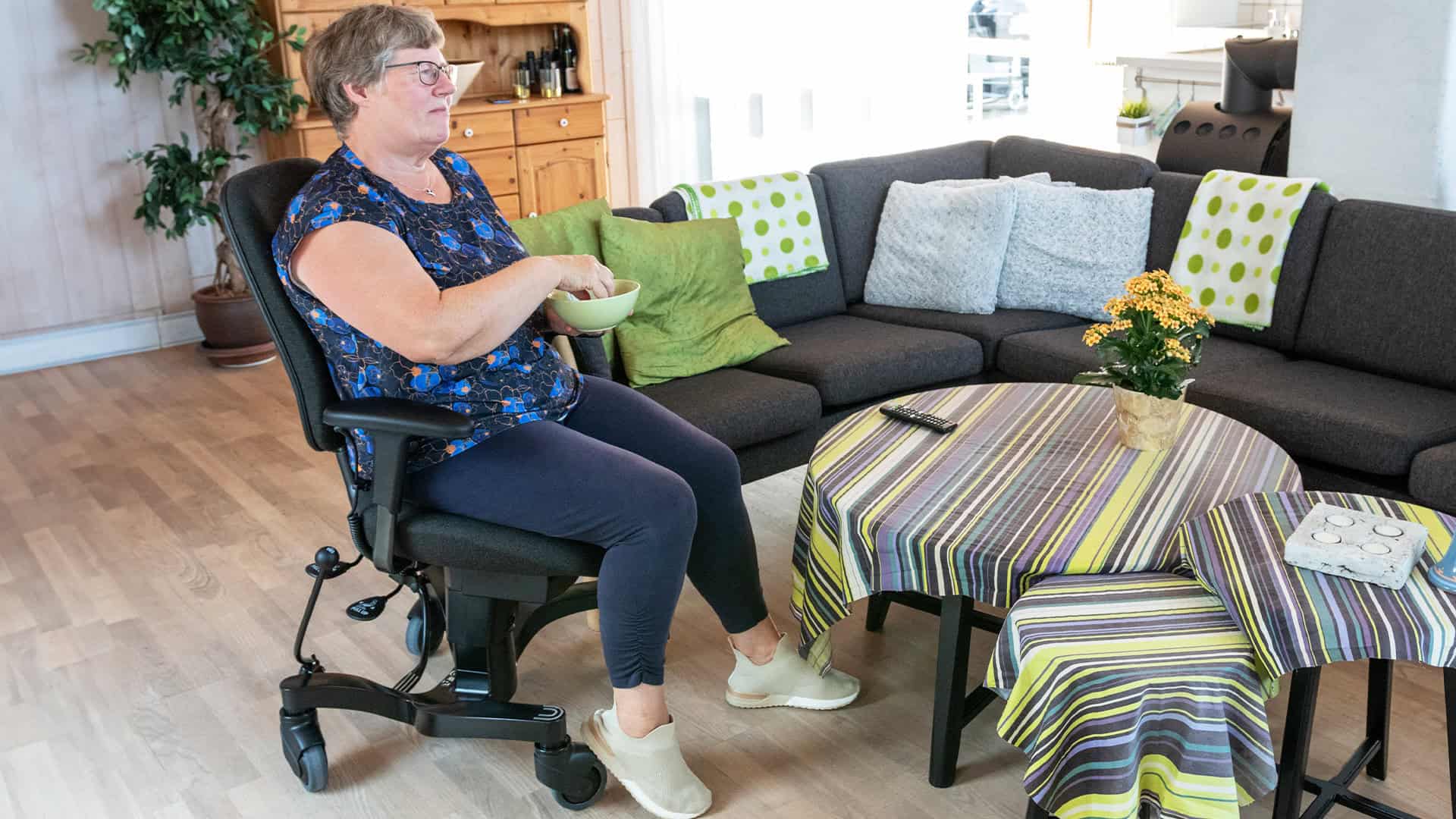
Safety and mobility are critical in maintaining senior independence. Utilizing adaptive equipment like the VELA chair can significantly contribute to managing daily activities safely. The chair’s lockable wheels and adjustable seat height are instrumental in preventing falls and enhancing mobility, allowing seniors in Atlanta communities to live actively and confidently. This equipment not only boosts comfort and safety but also instills confidence in seniors during their daily routines.
Recent trends in independent living emphasize integrating technological innovations—such as smart home devices, ergonomic assistive solutions, and sensor-based monitoring—to support mobility and autonomy for residents facing disabilities or reduced mobility[1][3][4][6]. Communities now often consider universal design and flexible layouts to promote accessibility, making daily living safer and easier for everyone. The VELA Independence Chair exemplifies a solution that supports these goals. This medically approved mobility chair is designed for home use, providing enhanced safety, freedom of movement while seated, and support for daily activities such as cooking, dressing, or transferring—all while reducing the load on informal caregivers.
Supporting Aging in Place: A Practical Option
As the demand for independent living continues to grow, practical solutions like the VELA Independence Chair can play a vital role in enabling seniors to stay in their homes longer. This chair is acclaimed for its features that address key challenges associated with aging, such as safety with a central brake, energy preservation through electric height adjustability, and ease of movement while seated. Without such mobility solutions, seniors may face greater risks of falls and require earlier transitions to institutionalized care. With a VELA chair, everyday tasks like cooking, cleaning, or even relaxing become significantly more manageable, promoting dignity, safety, and freedom. Although VELA is not the only available solution, it stands as a proven and practical option for supporting aging in place effectively. The emphasis across leading Atlanta communities is now on ensuring well-designed spaces, personalized rehabilitation, and access to appropriate assistive technologies to support independence[1][3][4][6]. For further details on how chairs designed for seniors living independently can enhance autonomy, exploring different seating options might offer valuable insights.