

Updated September 2025: We have updated the article to include new advances in assistive technology, AI-driven remote health monitoring, current ergonomic design trends, expanded Medicare policy insights, evolving care models for “solo agers,” and operational innovations transforming senior home care in Roseville, CA.
Senior Home Care in Roseville, CA: A Comprehensive Guide for Home-Based Services
As Roseville, California, witnesses a burgeoning demographic of elderly residents, the demand for comprehensive home care solutions has surged significantly. With approximately 36.3% of residents classified as seniors, personalized care at home has become a crucial aspect of maintaining their quality of life and independence as they age. According to Census Reporter, this trend highlights the importance of senior home care in Roseville, CA.
Demographic insights: The growing senior community in Roseville
The senior community of Roseville represents a diverse ethnic tapestry, predominantly White (67.4%), alongside significant Asian (13.1%) and Hispanic (16.5%) populations. Data USA provides insights into this diversity, which necessitates culturally sensitive and gender-appropriate care options. With a high homeownership rate of 68.6%, many seniors prefer aging within the comfort of their homes, requiring solutions tailored to a diverse community.
Addressing health challenges for seniors at home
A myriad of health challenges affect the senior population in Roseville, often necessitating specialized care. Chronic conditions like diabetes, hypertension, COPD, minor cognitive impairments, and macular degeneration are prevalent. For example, imagine Mr. Thompson, a Roseville resident managing diabetes, who benefits from a personalized home care plan that includes daily glucose monitoring and nutritional guidance. According to ApexCare, this approach highlights the need for nuanced care that adapts to individual health challenges.
Comprehensive home care services available in Roseville
Types of services offered
- Personal Care Assistance: Providing support with daily activities such as bathing and dressing ensures dignity and routine for seniors.
- Companionship Care: Vital for mental well-being, this service promotes social interaction and emotional support.
- Specialized Care: Tailored for specific conditions like dementia or post-surgical needs.
- Live-In Care: An alternative to assisted living, offering continuous support.
- Technology-Enhanced Care: Integration of AI-driven remote health monitoring, predictive analytics, and telehealth support allows for proactive care management and safety, empowering seniors to remain independent while caregivers receive timely data on mobility, health, and potential risks.[1][3][6]
For example, Amada Senior Care offers personalized care plans and assistance with navigating Veterans benefits, providing comprehensive support.
Key providers
- Home Care Assistance of Roseville: Known for the Balanced Care Method™, emphasizing a balanced approach to wellness. Learn more about their holistic approach through Home Care Assistance of Roseville.
- Amada Senior Care Roseville: Offers personalized care plans and specializes in Veterans benefits. They ensure benefits are fully utilized, providing comprehensive support.
- Always Best Care Roseville: A local provider leveraging innovative safety practices and flexible care models to adapt to the evolving needs of Roseville’s senior population, including technology-enabled care coordination.[2]
Financing home care: options for Roseville seniors
- Long-Term Care Insurance: Facilitates access to required services without immediate financial strain.
- Veterans Benefits: Substantial coverage for seniors and their spouses who qualify.
- Medicare/Medicaid: Recent federal policy initiatives are expanding Medicare to cover more in-home care services, caregiver compensation, and telehealth access, making home care more affordable and accessible for a broader population.[4] Traditional Medicare may not cover non-medical home care, but certain plans do under specific conditions. Consult Senior Care Authority for more information on these options.
Selecting a care provider based on qualifications and adaptable services can provide peace of mind. Evaluating agencies for caregiver training, care approaches, and monitoring practices is key in this decision process.
Enhancing mobility and independence at home
Enhancing independence and quality of life for seniors is increasingly guided by advances in assistive technology and ergonomic design. Modern solutions encompass AI-powered remote health monitoring, predictive fall detection, smart-home integrations, and voice-activated controls. These tools are now commonly combined with digital scheduling and mobility tracking platforms to improve safety, independence, and communication between seniors, families, and caregivers.[6]
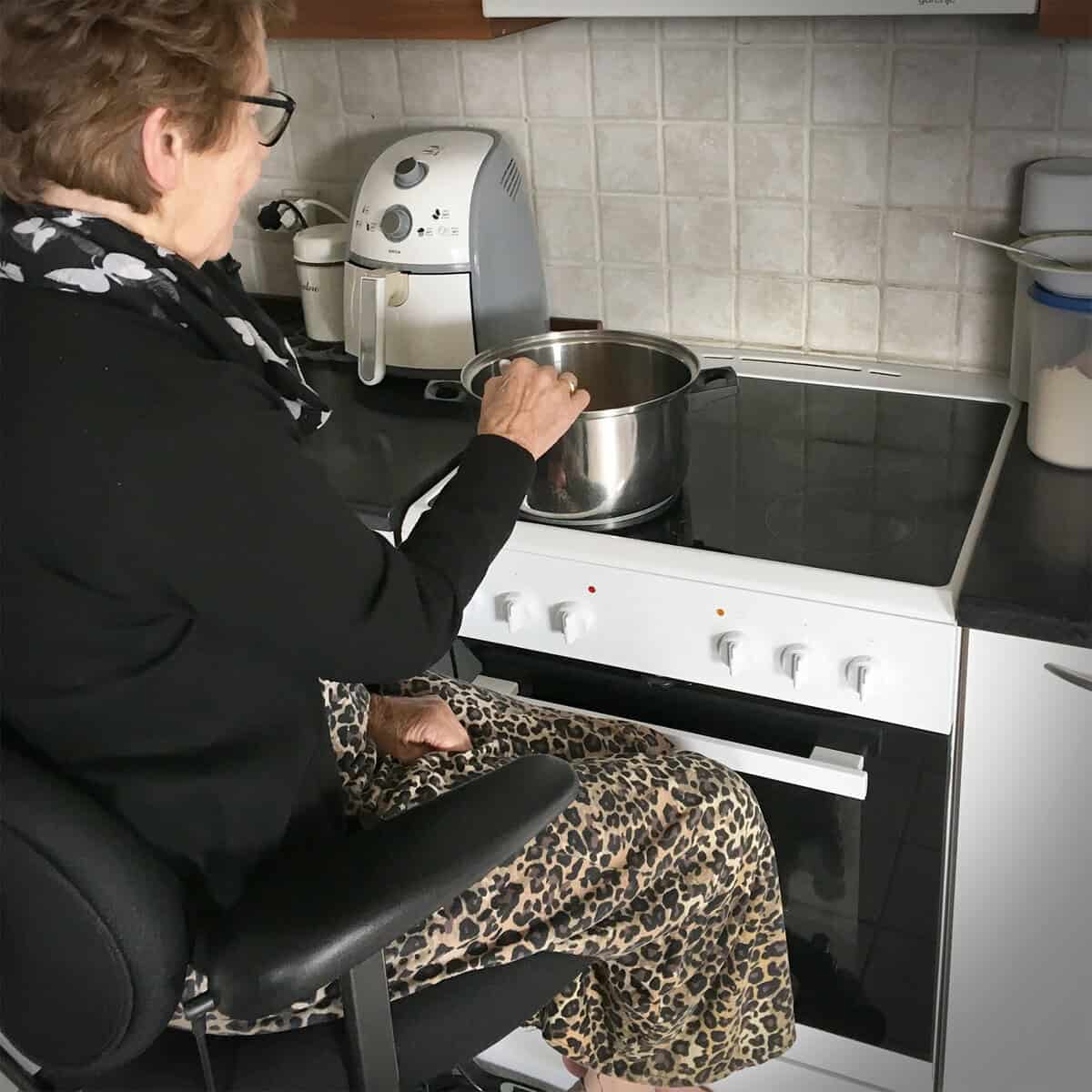
Home modifications are increasingly incorporating modular, inclusive, and ergonomic design trends that adapt to changing mobility needs and reduce injury risks. Products like the VELA Independence Chair exemplify advancements with their ergonomic features, central brake systems, and electric height adjustability, promoting daily living tasks like cooking, dressing, and transferring.
These innovations are vital for “solo agers,” or seniors without close family nearby, who benefit from enhanced advocacy, social integration, advanced care planning, and community-based or co-housing support models.[1][3][5] Flexible and technology-enabled care options blend operational efficiency with personalized support, allowing for scalable, high-quality services even in the face of workforce shortages.[6]
The integration of mobility solutions such as the VELA Independence Chair contributes significantly to allowing individuals to age in place comfortably and safely. With features like a central brake system for increased safety and electric height adjustability, these chairs cater to seniors facing challenges such as falls and limited mobility. Improving senior mobility at home not only empowers seniors but also alleviates stress and physical demands on family members and caregivers by making day-to-day tasks more manageable. While VELA Chairs are an effective option, exploring various solutions can provide tailored approaches to enhancing mobility and safety.
Sources
- South County Magazine, “Senior Living Trends for 2025: What’s Changing?” (2025) — family engagement, solo agers, wellness focus in senior care[1]
- Always Best Care Roseville, CA — local operational home care models emphasizing safety and flexibility (2025 update)[2]
- Align Senior Care, “Senior Living Trends to Look Out For” (2025) — flexible living models, solo agers, wellness programs[3]
- NCHStats, “10 Must-Know U.S. Home Care Industry Stats for 2025” — Medicare expansion impact, home care economics, caregiver support policy[4]
- McKnight’s Senior Living, “Seven Trends in Senior Living that Will Define 2025 and Beyond” — affordable housing models, changing demographics, flexible products[5]
- CLA Connect, “Senior Living and Care: Four Key Drivers of Activity in 2025” — AI-enabled operations, remote monitoring, cybersecurity in senior care[6]