

Updated September 2025: We have updated the article with new findings on the integration of smart technologies, emerging ergonomic and modular equipment for seniors, expanded holistic wellness and rehabilitation practices, and the impact of pending Medicare expansion on in-home senior care. Current trends and authoritative sources on connected assistive devices and evolving home care models have also been incorporated.
Navigating the Future of Senior Home Care
The rise in the aging population is leading to an increased demand for in-home senior care services. Successfully generating quality senior home care leads is vital for meeting this demand effectively. According to Sagapixel, the home healthcare market is expected to grow at a compound annual growth rate (CAGR) of 7.96% from 2024 to 2030, indicating great potential within this sector. Approximately 15 million Americans are already utilizing in-home care services, highlighting the significant need for effective lead-generation strategies.
Understanding the Evolving Needs of Seniors Aging in Place
There is a growing trend among seniors preferring to age in place, driven by the desire for independence and comfort within familiar surroundings. This is particularly beneficial for seniors with mobility limitations who need support but wish to avoid the disruption of relocating to assisted living facilities. As detailed by McKnight’s Senior Living and supported by recent trends, families opting for in-home care have observed enhanced quality of life for their loved ones. Adaptable and community-based care models, including CCaH (Community Care at Home) and co-housing, have become increasingly popular, addressing preferences for flexible, socially engaging, and affordable care settings. These shifts reflect the greater desire among seniors and families for solutions that enable independence and social connection within home and community environments.
Align Senior Care,
FirstLight Home Care.
How to Evaluate Quality Home Care Services for Your Loved One
When selecting a reputable home care agency, it’s essential to evaluate caregiver qualifications, agency accreditations, and specific service offerings. A comprehensive checklist should include assessing the agency’s track record, patient testimonials, and caregiver training. According to CLA Connect, these criteria help ensure the chosen agency meets the senior’s care needs. For instance, the Smith family used this checklist to find a highly personalized agency for their elderly parent, leading to greater peace of mind and improved well-being for their loved one. Additionally, with policy changes such as the proposed Medicare expansion for 2025, agencies may soon be able to offer more comprehensive and flexible service options, potentially including support for home modifications, caregiver compensation, and expanded telehealth services.
NCHStats.
Technology Solutions that Enhance Independence and Safety at Home
The integration of technology into home care services improves service delivery while promoting senior independence. Innovations such as remote monitoring and telehealth maintain seniors’ health and safety from their homes. In 2025, there is a significant rise in the adoption of smart home features, health-monitoring devices, fall detection systems, and AI-powered virtual care solutions. These advanced tools enable real-time health tracking and provide personalized care recommendations while offering families peace of mind and greater operational efficiency for providers. As highlighted by PR Newswire,
Morningside House Senior Living, technology now plays a central role in managing chronic conditions, enhancing safety, and supporting seniors who wish to remain at home.
Comparing Home Care Options: Private Duty vs. Medicare-Covered Services
Choosing between private duty care and Medicare-covered services involves considering factors such as cost, care level required, and financial planning. Private duty care offers bespoke services tailored to specific needs at a higher cost, while Medicare-covered services offer financial relief but with limitations on service scope. According to AxisCare, families often weigh these options to make informed decisions that best serve their loved ones. The upcoming Medicare expansion aims to broaden coverage, allowing greater access to in-home care services, financial compensation for caregivers, and home environment modifications. This regulatory shift is expected to support more aging-in-place solutions and reduce reliance on institutional care.
Provider Magazine.
Integrating Mobility Solutions for Senior Independence
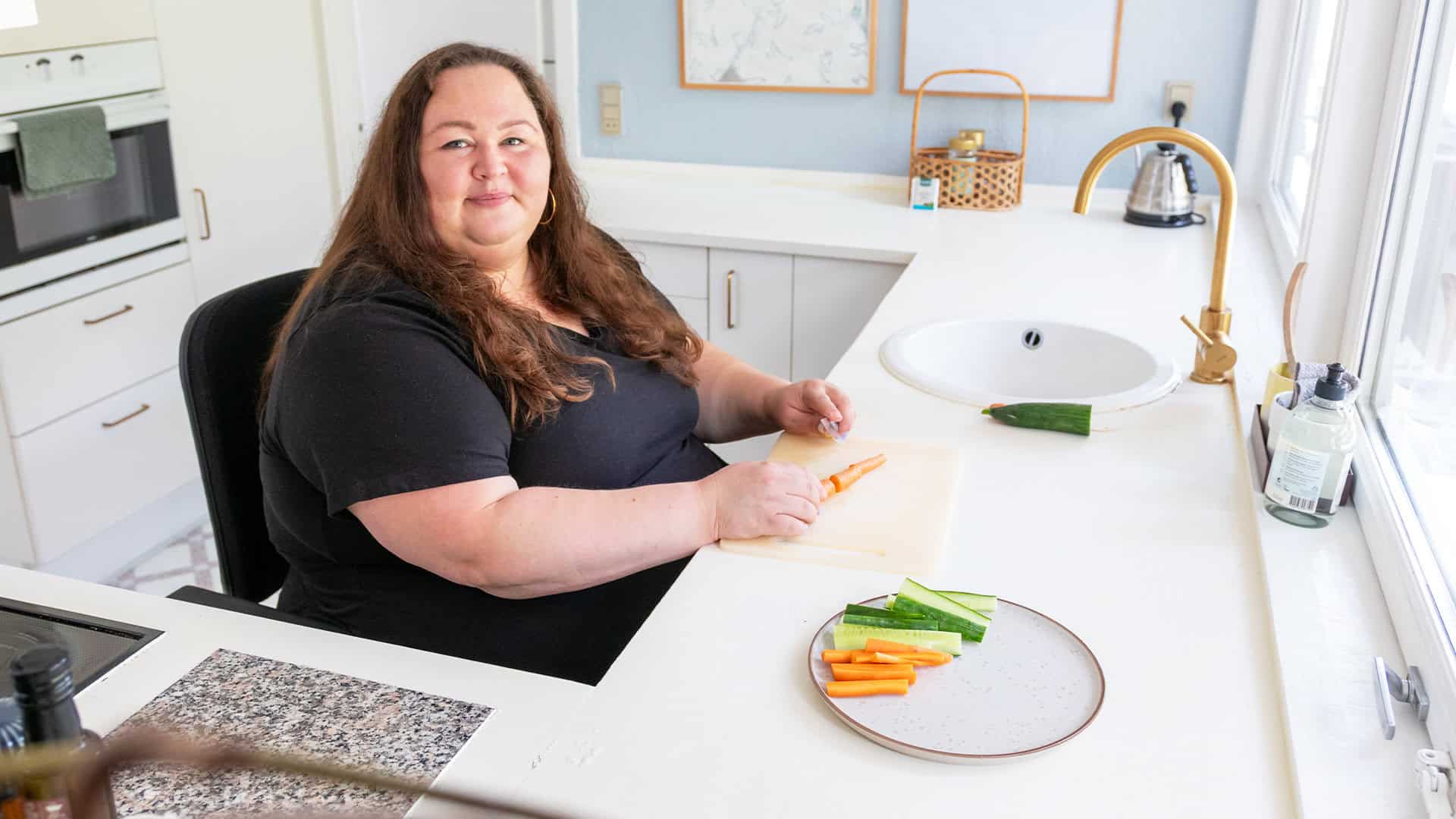
The challenges of transitioning seniors into nursing homes can be daunting, often leading families to explore alternatives that maintain loved ones’ independence. Mobility solutions offer a practical approach to preserving autonomy and safety at home. Recent trends show strong growth in modular and ergonomic equipment designed specifically for seniors with limited mobility. Products such as VELA chairs provide enhanced safety, freedom of movement while seated, and ergonomic support for daily routines like cooking, dressing, or transferring. These innovative solutions are tailored to reduce injury risks and support both independence and rehabilitation, aligning with the industry’s increased focus on adaptation and user-friendly environments.
Morningside House Senior Living,
Heisinger Bluffs.
Reducing Caregiver Burden Through Smart Seating
VELA Chairs are a testament to practical solutions that promote independent living. Their user-centric design addresses common challenges faced at home by offering features such as a central brake for safety, electric height adjustability, and ease of movement while seated. These features enhance safety and reduce strain during daily activities, effectively delaying the need for a nursing home. Imagine the freedom and dignity retained when seniors can cook, clean, and relax in their homes with confidence. Although VELA is not the sole solution in the market, it presents a proven option that merges functionality with daily living comforts. New industry guidance also recommends a holistic approach to wellness, combining ergonomic assistive equipment, personalized fitness activities, and mental health support as part of daily care routines. Learn more about their impact via Mobility Solutions for Seniors and Support for Seniors at Home.
Align Senior Care,
Heisinger Bluffs.