

Updated January 2026: We have updated the article to highlight recent advancements in AI-powered assistive technology, smart mobility aids, robotics, and telehealth integration for seniors. This includes new trends like sensor-equipped smart wheelchairs, AI-driven exoskeletons, voice-activated home devices, predictive analytics for fall prevention, and the growing focus on remote caregiving support and digital literacy.
Unveiling Lourdes Senior Care: A Model of Compassionate, Comprehensive Elderly Care
Lourdes Senior Community has stood as a beacon of excellence in senior care since its founding in 1965. Nestled on a tranquil lakeside campus in Waterford, Michigan, this non-profit organization, sponsored by the Dominican Sisters, is distinguished for its faith-based, all-encompassing approach to elderly care. According to Lourdes Senior Community’s official website, the community effortlessly integrates independent living, assisted living, memory care, rehabilitation, and long-term care into a serene environment that fulfills the diverse needs of its residents.
Comprehensive Care Options at Lourdes Senior Community
The continuum of care at Lourdes Senior Community guarantees that residents receive the appropriate support as their needs evolve. From independent living to advanced medical care, Lourdes offers exceptional services prioritizing resident well-being and dignity.
- Independent Living: Residents embark on their journey in the welcoming environments of Fox Manor or The Villas, where community engagement and support are emphasized.
- Assisted Living: Facilities like Jos. T. Mendelson offer personalized care and 24-hour staff availability for residents requiring additional support.
- Memory and Rehabilitation Care: Clausen Manor delivers specialized memory care services, while the Lourdes Rehabilitation Facility aids residents’ recovery through personalized therapy programs. Transitions between these care levels are facilitated by compassionate staff, who ensure they honor residents’ dignity and autonomy.
In practical scenarios, a resident transitioning from independent living to assisted care receives personalized guidance, ensuring their healthcare needs are comprehensively addressed.
Tailored Memory Care Solutions at Clausen Manor
At Clausen Manor, Lourdes Senior Community provides specialized memory care tailored for individuals with memory impairments. The staff here are extensively trained to tackle memory-related challenges and deliver compassionate, individualized care that enriches each resident’s daily life.
Consider a resident with Alzheimer’s benefiting from a personalized daily routine crafted to meet their specific needs. Family involvement is central, allowing loved ones to actively participate in care planning, thus ensuring a holistic approach that incorporates familial insights and preferences.
Addressing Senior Mental Health: Senior Life Solutions Program
Mental health is a vital aspect of senior care, and Lourdes addresses this through its commendable Senior Life Solutions program. This initiative combats depression and anxiety in seniors through personalized therapy and support groups. According to Lourdes Health Senior Life Solutions, integrating faith-based elements with cognitive therapies enhances residents’ mental and emotional health journeys.
A testimonial from a program participant expresses immense gratitude for the solace found through group therapy sessions, emphasizing the therapeutic community’s role in fostering mental resilience.
Faith-Driven Care at Lourdes: A Holistic Approach
The cornerstone of Lourdes’ care philosophy is its faith-driven approach, which infuses spiritual support throughout the care continuum. This holistic philosophy deeply resonates with residents, as evidenced by transformative experiences of spiritual growth and community connection.
Families frequently engage in faith-based activities, fortifying the support network surrounding residents. This approach underlines the commitment to meeting not only physical and medical needs but also fostering spiritual well-being.
Enhancing Mobility and Independence in Senior Care
The landscape of assistive devices in senior care is rapidly evolving with the integration of advanced technologies. In 2026, key advancements now emphasize AI integration, smart mobility aids, and robotics to boost independence while reducing caregiver burden.[1][2][3] AI-powered assistive devices—including smart wheelchairs with terrain adaptation, fall detection, and predictive analytics—provide personalized, adaptive support for seniors facing mobility and cognitive challenges, learning user habits to enhance independence and quality of life.
Modern smart mobility aids now include GPS-enabled walkers, sensor-equipped all-terrain wheelchairs, and wearable fall detection systems, all driven by AI for real-time safety monitoring and proactive fall prevention at home.[1][2][4] Advanced rehabilitation solutions feature AI-powered exoskeletons and VR/AR therapies to assist with gait training, mobility, and cognitive engagement, contributing to faster recovery and increased autonomy.
Voice-activated devices are becoming staples for medication reminders, home environment control, and emergency alerts. These support seniors in managing daily routines and maintaining safety without direct caregiver intervention.[3][4] Wearable tech continues to support cognitive health, offering monitoring of sleep, stress, and brain function, which can be invaluable in both home and community care settings.
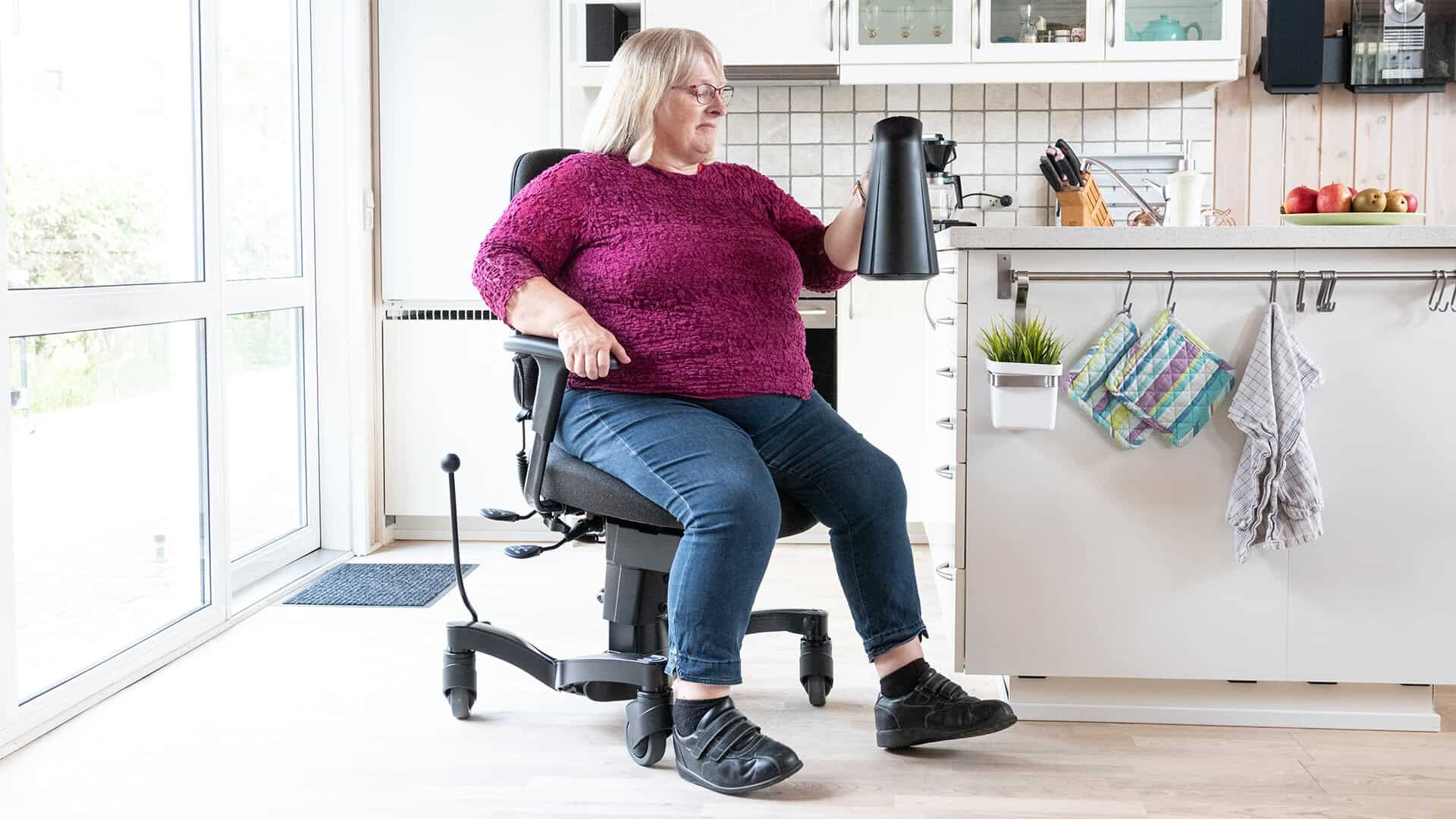
Design advances extend to ergonomic and inclusive solutions such as adaptive clothing and user-centric seating, prioritizing comfort, usability, and dignity.[9] The VELA Independence Chair remains a leading example, supporting safe participation in household activities and helping to reduce caregiver demands.
Real-time sensor networks and AI communication devices now facilitate remote monitoring by caregivers, allowing timely interventions and reducing the need for constant physical presence.[2] These technologies promote aging in place, ensuring seniors maintain maximum possible independence while providing families with peace of mind.
Exploring Alternatives to Nursing Homes
The VELA Independence Chair remains a compelling option for seniors seeking to maintain independence in the home. Its central brake, electric height adjustability, and user-friendly controls make it a valuable solution for daily mobility, fostering dignity and reducing reliance on nursing home care. Smart seating solutions like this, and the availability of home-based smart mobility and monitoring devices, extend the time seniors can comfortably live at home while reducing caregiver workload.[1][3] For further information, see mobility solutions for the elderly.
Emerging Clinical Guidelines, Access, and Digital Literacy
With the rapid rollout of advanced assistive technologies, clinical and policy frameworks are evolving. Integration with telehealth enables remote monitoring and therapy, improving rehabilitation outcomes and reducing hospital visits.[2][4] The World Health Organization’s new guidance highlights equitable access, policy recommendations, and efforts to address affordability and market shortages for assistive technology globally.
The adoption of AI and smart assistive devices is increasing amid a growing preference for home-based and technology-supported senior living. However, digital literacy and privacy concerns remain key barriers. Efforts in digital skills training and education for seniors and caregivers are crucial to ensuring accessibility and inclusivity for new tools.[3][4] Community input continues to inform the design and deployment of these solutions, ensuring advancements address the primary goals of independence, personalization, and affordability for all seniors.
References
- AllSeniors.org, “Top Durable Medical Equipment Trends for Aging Seniors in 2026,” 2026.
- AllSeniors.org, “How AI and Tech Innovations Are Changing Senior Home Health Care in 2026,” 2026.
- University of Florida, “Assistive Technology Devices: Helping Seniors Age In Place,” 2025-03-19.
- WesleyLife, “Assistive Technology for Independent Living,” 2025.
- Giansanti D. “Integrating AI and Assistive Technologies in Healthcare.” PMCID: PMC11898476, 2025-03-04.
- LetsEnvision Blog, “What’s Next for 2025: The Future of Assistive Technology & AI Assistants,” 2024-12-28.
- Seniorsite.org, “15 Best Assistive Devices for Elderly 2025,” 2025-04-30.
- ConnSense Report, “13 CES 2025 Award-Winning Assistive Tech Innovations,” 2025-02-03.
- AS Evmenova, “Assistive Technology Outcomes and Benefits – Volume 19,” 2025.
- Connected Nation, “How technology is enhancing the well-being of older adults,” 2025.
- Silverts, “Investing in Assistive Technology for Seniors,” 2025.
- The Good Life Silicon Valley, “2025 AgeTech Showcases the Latest Technology for Seniors,” 2025.
- WHO Europe, “New Guide to Help Shape Assistive Technology Markets,” 2025.