

Updated September 2025: We have updated the article with the latest 2025 data on assisted living profitability, occupancy trends, and new advancements in assistive technology—including AI-driven devices and brain-controlled prosthetics. The article also reflects updated strategies for technology integration, evolving resident needs, and the financial landscape for facility owners.
Is Owning an Assisted Living Facility Profitable in 2025?
The profitability of owning an assisted living facility is an increasingly pertinent question as the market is poised for significant growth. According to GlobeNewswire, the U.S. assisted living market is projected to expand from $95.1 billion in 2025 to $143.5 billion by 2032. This growth is driven by longer life expectancies and increased demand for care due to chronic illnesses. Recent reports indicate that occupancy for assisted living has reached approximately 85.8% in early 2025, while independent living occupancy has climbed to 89%.[7] However, potential profitability is contingent on several factors, from operational efficiency to market positioning and the ability to meet evolving resident expectations with innovative technologies.
Key Factors Influencing Assisted Living Profitability
To maximize profitability, maintaining high occupancy rates and optimizing revenue streams is vital. According to CliftonLarsonAllen, successful facilities align investments with consumer preferences, manage financials with discipline, and continuously enhance their service offerings to sustain competitive advantage. Recent trends show stable or growing EBITDA multiples, ranging between 3.1x and 4.3x depending on facility size, with operators who strategically invest in technology and wellness services gaining a competitive edge.[1] Strategies include diversifying services to meet varied resident needs, managing costs meticulously, and navigating regulatory landscapes effectively—including the increasingly complex Medicaid and Medicare reimbursement environment.[5]
Cost management is crucial — encompassing labor, utilities, and insurance. Facilities that focus on cost-efficient practices while maintaining quality care can leverage higher net profits. For instance, implementing energy-saving initiatives and optimized staffing models often results in outperforming competitors. An example from the field includes a small facility optimizing its electricity usage and streamlining its workforce distribution, yielding significant savings without compromising care quality.
Technology adoption stands out as a powerful lever in 2025. AI-driven assistive devices, such as smart glasses for the visually impaired, brain-controlled prosthetics, and advanced wearable aids like NeuroVision Pro, are being integrated into care plans to enhance resident autonomy and independence. These innovations, highlighted in recent reports, may reduce staff burden, improve safety, and deliver experiences aligned with modern consumer preferences.[4][2]
Current Trends in Senior Living: What Owners Must Know
Owning an assisted living facility in today’s market also means adapting to evolving trends. Residents now expect more sophisticated care that addresses autonomous living, chronic disease management, and technological integration. The demographic shift, primarily driven by aging baby boomers, means facilities must now meet higher standards to remain competitive. Modern users and their families place a premium on technologies that foster greater independence, comfort, and dignity.[3][4]
Challenges and Rewards of Facility Ownership
Running an assisted living facility presents significant challenges, from staffing issues to intensive competition and regulatory compliance. The Assisted Living Directory highlights the intense demands on personal time and resources. Operators must also be prepared to expertly navigate a complex reimbursement landscape and exercise disciplined financial planning amid higher interest rates and evolving resident care profiles.[5]
The intrinsic rewards of improving senior care quality offer a unique value that goes beyond financial metrics. Many facility owners describe the experience as simultaneously challenging and rewarding, highlighting the personal satisfaction derived from enhancing residents’ quality of life.
Evaluating the Business and Personal Impact of Assisted Living Ownership
In conclusion, while owning an assisted living facility presents notable challenges, it also offers substantial opportunities. As the market expands and evolves, those who effectively manage costs, maintain high occupancy, invest in next-generation assistive technology, and adapt to market trends stand to benefit significantly. According to CliftonLarsonAllen and GlobeNewswire, updated financial outlooks and maturing consumer preferences confirm a cautiously optimistic investment environment for committed owners looking to improve resident lives with innovative solutions.[5]
Supporting Aging in Place: A Practical Option
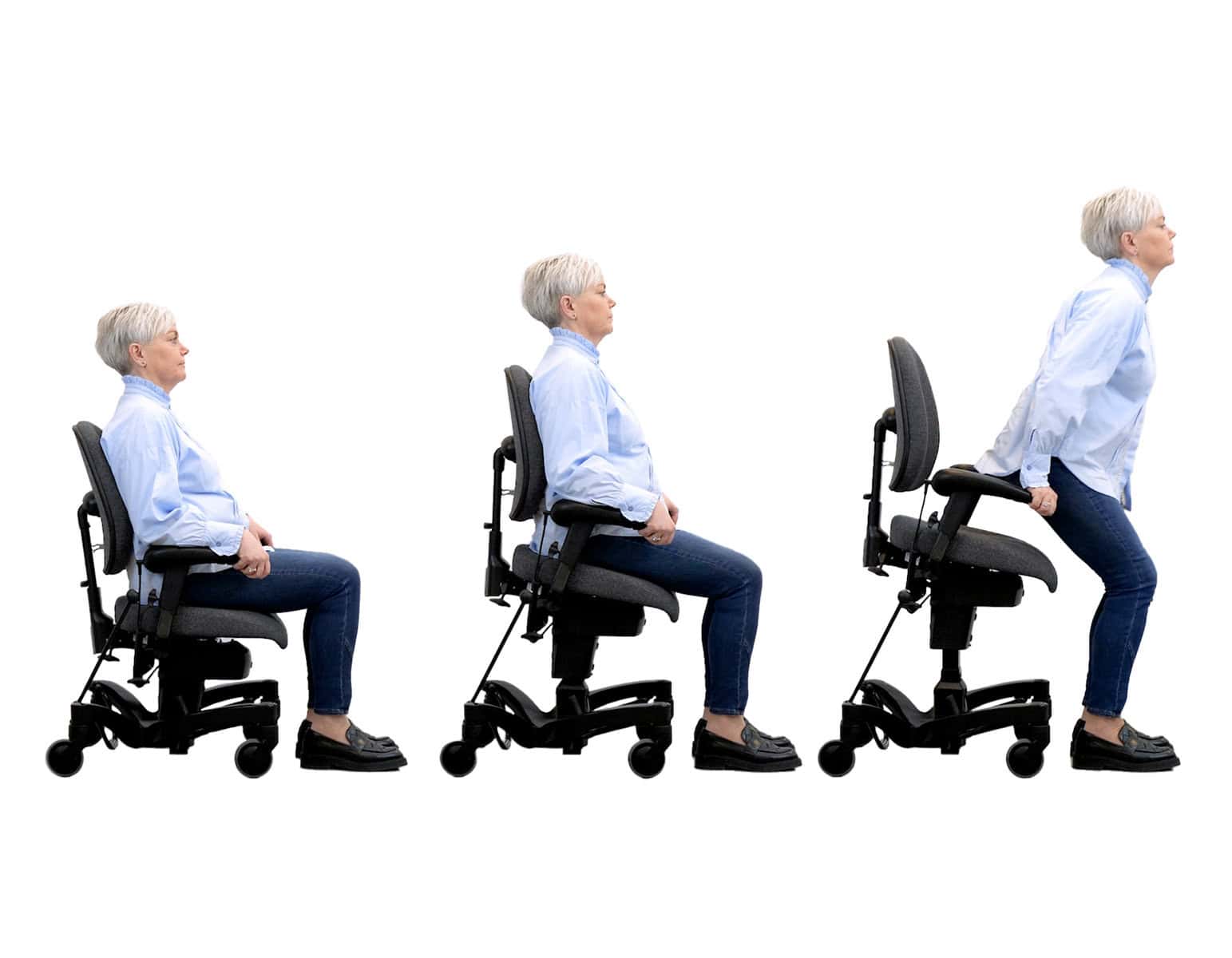
Staying independent at home becomes increasingly viable with supportive solutions like the VELA Independence Chair for mobility support. The latest advancements in assistive technology—such as AI-powered mobility aids, smart glasses, and wearable devices that augment vision or dexterity—can also dramatically improve independence, safety, and dignity for seniors aging in place.[2][6] The chair’s features such as a central brake for safety, electric height adjustability, and ease of movement while seated, significantly enhance everyday living for seniors. These characteristics help reduce the assistance needed from caregivers and delay the necessity of transitioning to a nursing home. By using specialized seating solutions for seniors’ daily needs, older adults benefit from improved safety, autonomy, and energy conservation, allowing them to perform tasks like cooking or cleaning with greater ease and dignity. Though VELA is not the only option, its proven efficacy makes it a practical choice worth considering.
Additional sources used in this update:
- Assisted Living/Senior Care EBITDA & Valuation Multiples – 2025 | FirstPageSage
- Carr, Dawn. “Revolutionizing Accessibility: The Latest Innovations In Assistive Technology 2025” | Nabroward.com
- Senior Living and Care: Four Key Drivers of Activity in 2025 | CLAconnect
- The Best Assistive Tech Gadgets in 2025: Enhancing Independence Through Innovation | ThinkBeyondTheChair.org
- Senior Living Industry Faces Improving Investment Outlook in 2025 | SeniorHousingNews.com
- Cowan, RE. “Recent trends in assistive technology for mobility” | PMC (NCBI)
- NIC Analytics Webinar Data on Senior Housing Occupancy Q1 2025 | NIC.org