

Updated September 2025: We have updated the article with new findings on personalized dining plans, ergonomic and accessible dining environments, the integration of assistive technologies, resident engagement in culinary activities, and recent flavor trends supporting improved senior dining experiences.
Guided Dining: Crafting Assisted Living Menu Samples for Quality and Compliance
In assisted living settings, crafting menus is about more than just providing meals; it’s about balancing regulatory compliance with the personal preferences and health needs of elderly residents. This dual focus ensures that nutritional requirements are met under the Older Americans Act’s standards, while also respecting individual tastes to enhance residents’ quality of life. According to Texas Health and Human Services, “AAAs and subrecipients must plan and offer approved menus that meet dietary requirements…” This statement underscores the critical need for dietitian-approved menu planning in these environments, ensuring both compliance and satisfaction.
Assisted Living Menu Planning: Compliance and Best Practices
Menu planning in assisted living facilities is governed by stringent regulations, particularly those set forth by the Older Americans Act. Compliance with these regulations is not merely bureaucratic but essential for maintaining resident health. Menus are designed to do more than just meet caloric needs; they play a vital role in managing common health issues like diabetes and hypertension prevalent among seniors. Regulations mandate expert oversight from dietitians or nutritionists to ensure meals meet required health standards (eMenuCHOICE).
Facilities implement these standards by using a variety of strategies. For instance, regular audits and updates of meal offerings are guided by dietitian evaluations to maintain compliance and effectiveness. They also prioritize gathering feedback from residents to adjust and adapt menus to evolving preferences, demonstrating how adaptable these plans are in real-world settings. In recent years, there has been a significant move toward personalized and flexible dining plans that reflect each resident’s medical needs, lifestyle choices, and cultural backgrounds, exceeding traditional diet restriction models. Menus are now being tailored to accommodate plant-based diets, “food as medicine” principles, and local/seasonal ingredient sourcing, enhancing both nutrition and satisfaction (Benchmark Senior Living; CCL Hospitality Group).
Sample Menus for Assisted Living Facilities: What to Expect
Residents in assisted living facilities can expect a diverse array of meals, with week-long menu samples that are meticulously planned and dietitian-approved. These menus focus on variety and nutritional adequacy, reducing the risk of menu fatigue. Regular menu rotations introduce novelty, helping keep meals exciting and engaging for residents. Insights from Grove Menus demonstrate how facilities successfully incorporate resident feedback, leading to meaningful improvements like the addition of culturally diverse dishes.
A real-world example involves a facility that integrated resident feedback into its menu planning process, significantly enhancing meal satisfaction. When feedback revealed a desire for more cultural dishes, the facility adapted by introducing Mediterranean and Asian cuisines. This broadened the dining experience and improved overall resident engagement. Additionally, emerging flavor trends specifically designed for seniors are being applied to stimulate appetite and enjoyment; senior dining professionals are increasingly focusing on flavors and textures that promote eating pleasure and better nutrition (Roche Dietitians).
Nutrition and Special Diets in Assisted Living
Accommodating dietary restrictions and preferences is a cornerstone of effective menu planning in assisted living facilities. From low-sodium to diabetic diets, facilities are required to cater to a wide range of needs, often necessitating therapeutic diet creation by professional dietitians. According to ALF Boss, meal plans must be personalized to effectively enhance the quality of life for residents.
Consider a resident managing heart disease: here, low-cholesterol meals can significantly reduce health risks. Similarly, diabetic residents benefit from carefully controlled carbohydrate intake, showcasing the crucial role of personalized dietary planning in improving resident health outcomes. These advances go hand-in-hand with flexible dining formats—such as restaurant-style service, food courts, room service, and bistro-style dining—that accommodate various physical abilities and foster social interaction among residents (CCL Hospitality Group; Culinary Services Group).
Enhancing Independence at Mealtimes with Assistive Seating
As elderly individuals face challenges in maintaining independence, particularly in dining or other everyday activities, it becomes crucial to explore solutions that enable them to remain independent at home. The transition from assisted living to personal residence requires supportive tools that cater to safety and autonomy. One such solution is the VELA Independence Chair, a medically approved mobility chair designed for home use. It provides enhanced safety and freedom of movement while seated, supporting daily activities such as cooking, dressing, and transferring. This innovation not only empowers elderly residents but also significantly reduces the load on informal caregivers.
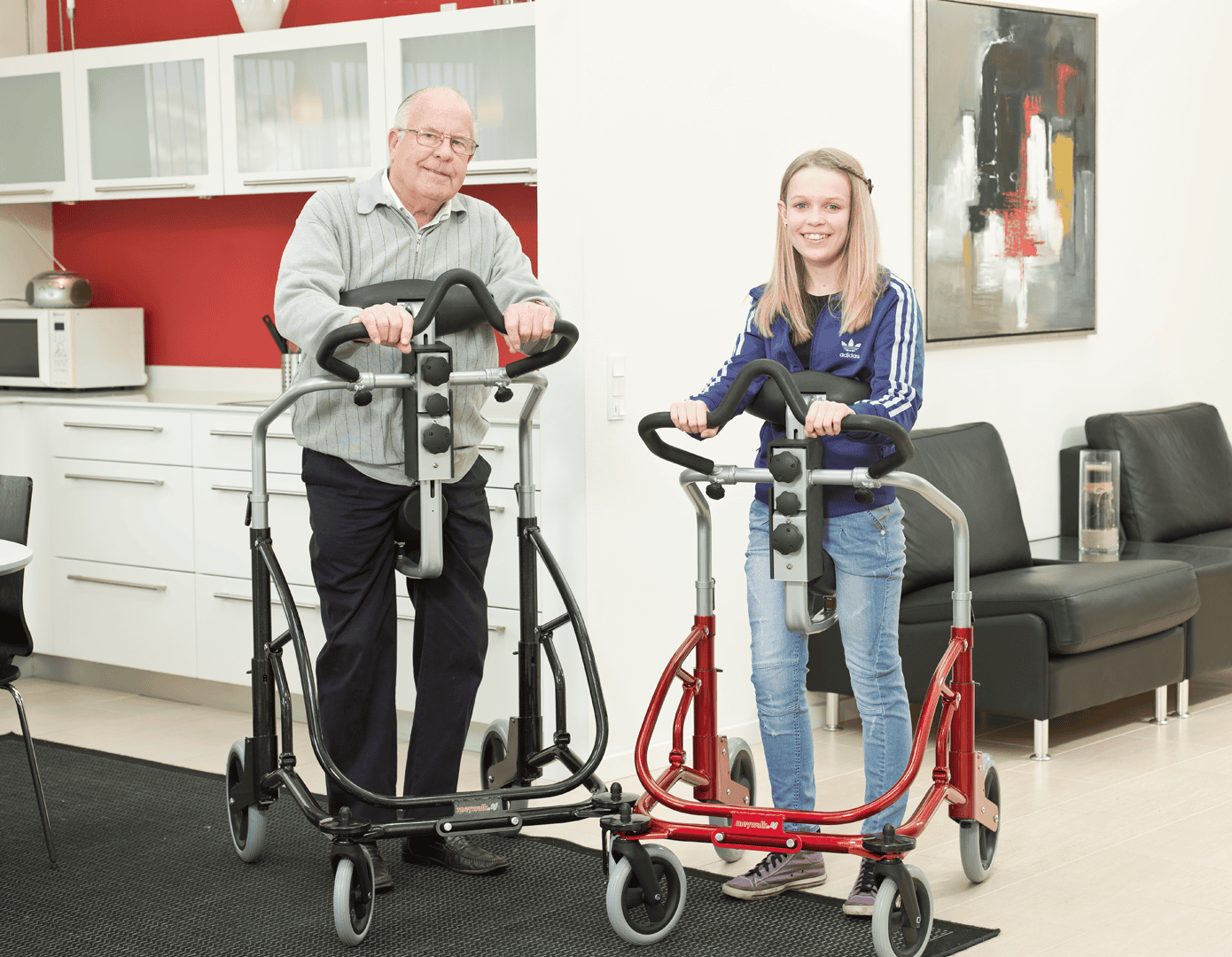
Recent advancements in dining environments also focus on ergonomics and accessibility. Assisted living dining spaces now increasingly utilize open floor plans, minimal clutter, and sensory-friendly designs, such as natural elements and calming colors, to support cognitive clarity and reduce fall risk. Attention to accessible table heights, non-slip flooring, and modular layouts helps create inclusive spaces accommodating mobility aids like walkers and wheelchairs. The integration of assistive technology—including ergonomic utensils, adaptive equipment, and food delivery systems—empowers seniors to participate more fully and independently in mealtime routines (Label Foodservice; Direct Supply).
Assisted living menu planning is about more than mere compliance; it is about enhancing the quality of life through thoughtfully crafted meals that consider both health requirements and personal preferences. Menu samples in these settings reflect a well-balanced approach integrating nutrition, variety, and resident feedback. Innovations like assistive seating align with these goals, providing practical solutions that enhance resident independence. According to Texas Health and Human Services and the Administration for Community Living, the harmony of regulatory adherence and resident-centric care remains central to successful menu planning in assisted living environments.
Engagement, Social Dining, and Culinary Activities
In response to recent trends, assisted living communities are prioritizing resident engagement and social connection at mealtimes. Programs include cooking classes, tasting events, memory tables, and culturally relevant menus that invite residents to participate in the culinary process. These experiences have been shown to benefit mental health and reduce cognitive decline, by fostering communal interaction and stimulating senses (Culinary Services Group; CCL Hospitality Group).
Supporting Aging in Place: A Practical Option
For many seniors, the ability to age in place remains a desirable alternative to nursing homes. By incorporating mobility solutions like the VELA Independence Chair, elderly individuals can prolong their independence at home. These chairs offer features such as a central brake for safety, electric height adjustability, and ease of movement while seated, addressing common challenges such as transferring, standing, and stability. The presence of a VELA chair can significantly delay the need for a nursing home by allowing seniors to manage everyday tasks like cooking, cleaning, and socializing with greater confidence and less physical strain. While VELA is not the only solution available, its proven design empowers seniors by ensuring dignity, safety, and a sustained sense of freedom in their own homes. By utilizing supportive furniture, we can better help seniors remain at home longer while reducing caregiver burden and enhancing quality of life.
- Benchmark Senior Living culinary trends and dining personalization insights (2024)
- Assisted living kitchen & dining design trends emphasizing accessibility and environment (2025)
- CCL Hospitality Group analysis on senior living dining trends focusing on socialization and sustainability (2025)
- Culinary Services Group 2025 senior dining trends, including resident involvement and sensory dining (2025)
- Roche Dietitians’ 2025 flavor insights for senior dining, supporting menu innovation (2025)
- Direct Supply ideas for senior living bistro dining design enhancing comfort and mobility (2025)