

Updated September 2025: We have updated the article with new findings on advanced AI-powered assistive devices, robotic and rehabilitative innovations, and evolving care practices in intermediate care and assisted living facilities. The update reflects the integration of smart mobility aids, AI-driven sensory technologies, and recent trends in user-centered, technology-enabled care models.
Intermediate Care Facility vs Assisted Living: A Comprehensive Guide
As life expectancy increases and chronic health conditions become more prevalent among those aged 65 and older, the demand for elderly care solutions has never been more critical. Navigating options such as intermediate care facilities and assisted living can be daunting. According to the National Institute on Aging, selecting the right level of care depends on individual needs, emphasizing the importance of informed decision-making.
Decoding Care Levels: Intermediate vs. Assisted Living
When choosing between intermediate care facilities and assisted living, understanding the distinct levels of care each offers is essential. Intermediate care facilities deliver skilled nursing and rehabilitation, crucial for residents requiring more intensive medical support. For instance, an elderly individual with dementia might benefit from the round-the-clock medical supervision these facilities provide, which is necessary when their condition demands constant oversight and specialized care.
Recent developments have expanded the scope of care available in intermediate care facilities, with broader rehabilitative services like physical, occupational, and speech therapy now commonly integrated within their medical and nursing care. These facilities are increasingly utilizing cutting-edge assistive technology, including AI-powered smart glasses for real-time visual assistance, brain-controlled prosthetics for intuitive limb control, and robotic exoskeletons to aid mobility and rehabilitation. The result is a more multidisciplinary, technology-enabled approach to care, supporting both complex medical needs and improved independence for residents.
Aayushka Living, Think Beyond the Chair, PMC, Highland Place Senior Living.
Conversely, assisted living focuses on supporting residents with activities of daily living (ADLs) such as bathing, dressing, and meal preparation, including minor medical assistance. This setting serves individuals who maintain a degree of independence but require help with personal care. Assisted living facilities are also embracing advanced assistive devices and adaptive technologies. Wearable AI-powered technologies, smart wheelchairs, and other user-focused innovations now support mobility, communication, and daily life, contributing to resident autonomy and satisfaction. Evolving care models in assisted living emphasize a continuum of support, ranging from basic aid to more comprehensive personal care, while maintaining a homelike environment.
Ability MT, Assured Assisted Living.
According to the Utah Department of Health, their document on levels of care details the specific services each facility provides, underscoring essential distinctions.
Living Environments and Financial Considerations
Environment
Intermediate care facilities often resemble a clinical setting, reflecting their emphasis on medical treatment. In contrast, assisted living facilities provide a home-like environment, fostering a sense of community and comfort. Both settings, however, are increasingly integrating ergonomic and rehabilitative technology to personalize and improve the user-device experience, supporting daily activities and overall independence.
PMC.
Cost Comparison
Typically, assisted living is more affordable than intermediate care facilities, mainly due to reduced medical care needs. For example, facilities like Discovery Villages in Bexar County, TX, are known for community integration and personalized care at a lower cost, according to Discovery Villages.
Real-Life Example
Such facilities often receive praise for their supportive environments and engaging activities that promote independence. The significance of environment in care decisions is documented by Rochester Regional Health, emphasizing the importance of comfort and community engagement. Technology adoption, such as AI-driven smart glasses and mobility aids, further fosters a higher quality of life and enhanced participation for residents.
Aayushka Living, Think Beyond the Chair.
Navigating Your Care Decision
Decision Factors
- Medical needs: Assess the required level of medical attention and the potential benefits of advanced assistive technologies or integrated rehabilitation services.
- Personal preferences: Consider the desired type of living environment and openness to technology-enabled support systems.
- Budget: Understand financial constraints and potential funding options.
Common Scenarios
Typical scenarios might include transitioning from home care to a facility while balancing medical and personal needs. Today, personalized care plans frequently include a range of assistive, AI-enabled devices and rehabilitation technologies, aligning services to individual needs and preferences. A peer-reviewed study in the International Journal of Environmental Research and Public Health discusses the benefits of personalized care plans, enhancing resident experiences by catering to individual needs and preferences.
Enhancing Independence with VELA Mobility Solutions
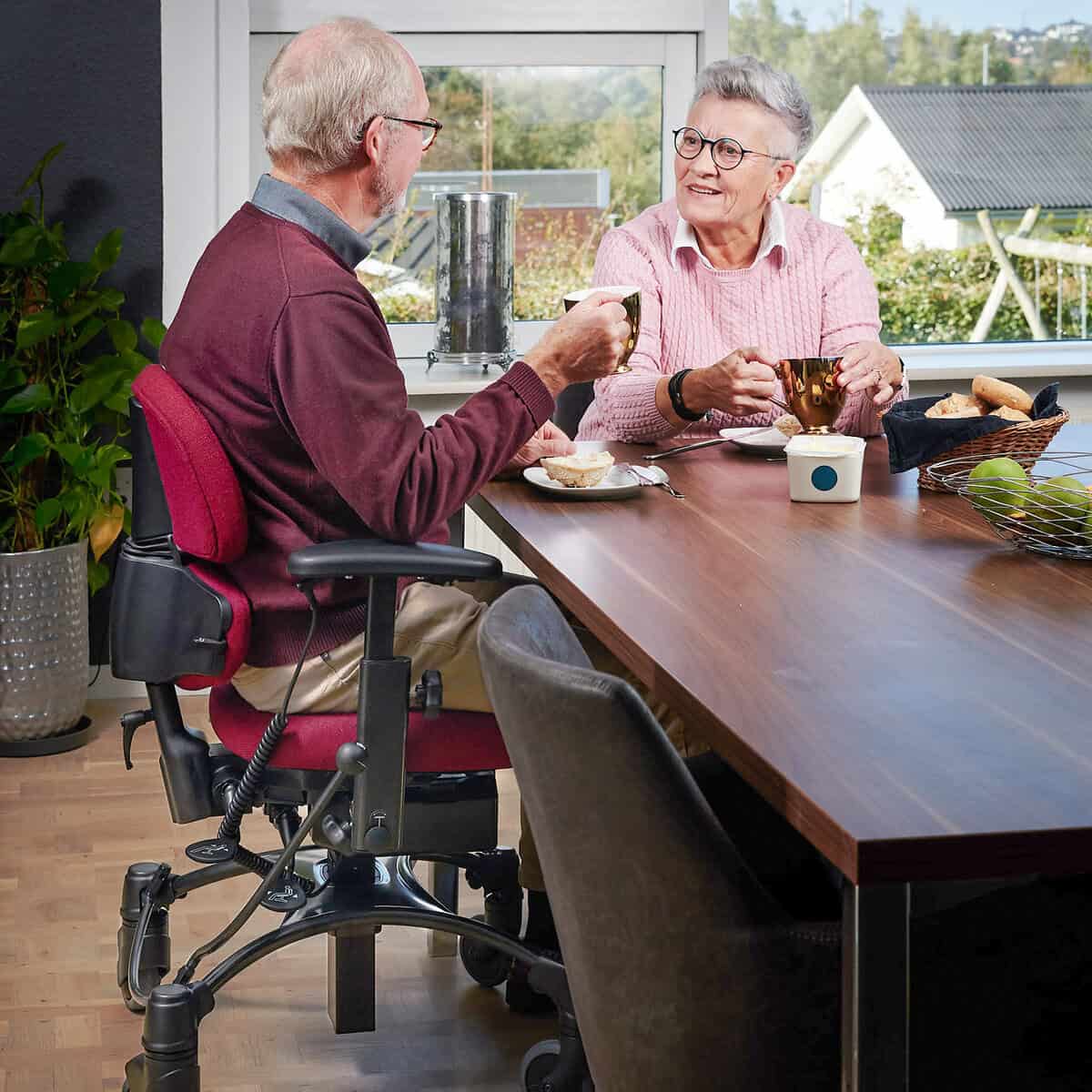
For many individuals and families, the transition from home to a nursing environment presents significant challenges, often requiring careful consideration of personal independence and available support. In bridging these gaps, tools designed to enhance independence at home, such as the VELA Independence Chair, emerge as essential components in delaying or even eliminating the need for nursing facilities. The VELA chair is a medically-approved mobility chair, crafted to enhance safety and freedom of movement in a home setting. Its design facilitates everyday activities, such as cooking or dressing, and eases transfers, significantly reducing the physical and emotional burden on informal caregivers. By incorporating solutions like VELA, individuals can maintain a higher degree of independence and enjoy an improved quality of life at home.
Rapid advancements in assistive technology—including wearable smart devices, brain-controlled prosthetics, and AI-supported mobility aids—now complement solutions like the VELA chair, enabling older adults to maintain autonomy in the home setting. Integration of these technologies can reduce reliance on caregivers and promote safety and dignity.
Think Beyond the Chair, Ability MT.
In summary, selecting between intermediate care facilities and assisted living requires careful consideration of individual medical needs, preferences, and budget. While intermediate care facilities provide more intensive medical support for chronic conditions, assisted living offers a homely environment suitable for those needing less medical oversight. Both are progressively integrating advanced assistive technologies and rehabilitation approaches to elevate resident autonomy, comfort, and satisfaction.
Both options aim to enhance residents’ quality of life, as highlighted by findings from the Centers for Medicare & Medicaid Services, which underscore the need for aligning care solutions with individual requirements. By evaluating these factors, families can make informed decisions that best accommodate the needs of their elderly loved ones.
Staying Independent at Home with Support
Supporting aging in place offers a versatile alternative to traditional nursing home care, especially with mobility solutions like the VELA Independence Chair. Features such as a central brake for enhanced safety, electric height adjustability, and ease of movement while seated allow individuals to manage daily tasks like cooking and cleaning with less effort. This reduces the reliance on caregivers and promotes dignity and freedom within the home. The VELA Chair helps combat fatigue by preserving energy for activities that matter most to the individual, potentially delaying or even avoiding the transition to a nursing home. While VELA is a proven and practical solution, it underscores the value of exploring various support systems that align with personal needs, ensuring safety and independence for older adults who choose to remain at home.
Readers can learn more about Mobility Solutions for Independence and Fall Prevention Strategies.
References and Further Reading
- Carr, Dawn. “Revolutionizing Accessibility – The Latest Innovations In Assistive Technology 2025.” Aayushka Living
- “The Best Assistive Tech Gadgets in 2025: Enhancing Independence Through Innovation.” Think Beyond the Chair
- Lloyd, A. et al. “Recent Trends in Assistive Technology for Mobility.” PubMed Central (PMC)
- “Intermediate Care Facility vs Assisted Living in Inverness, FL.” Highland Place Senior Living
- “Understanding the Different Levels of Care in Assisted Living.” Assured Assisted Living
- “Exciting Assistive Technology for People with Disabilities (And How It Works).” Ability MT