

Updated September 2025: We have updated the article to include recent advances in AI-powered assistive devices, smart home automation, cognitive support technologies, and the integration of telemedicine in senior care. These updates reflect new research and current adoption trends in assisted living and aging-in-place solutions.
Exploring Assisted Living Options in South San Francisco: A Comprehensive Guide
Finding the right assisted living option in South San Francisco can be overwhelming due to the diverse needs of the area and its growing elderly population. Approximately 17.66% of South San Francisco’s residents are aged 65 and above, highlighting a significant demand for senior care services. According to A Place for Mom, the average monthly cost of assisted living in this region is approximately $5,012, providing an important financial framework for families researching care options.
Understanding Assisted Living in South San Francisco
Assisted living is geared toward supporting seniors who need help with daily tasks, such as bathing, medication management, and meal preparation. Facilities in South San Francisco adhere to stringent guidelines set by California’s Department of Social Services, ensuring high standards of care and safety. A typical day for a resident may include engaging in exercise programs and enjoying diverse meal choices, all of which contribute to an active, fulfilling lifestyle. In recent years, assisted living facilities have increasingly integrated AI-powered assistants and smart home automation into their services to provide real-time, intuitive support for residents. These technologies improve accessibility, monitor health, and deliver cognitive and physical support, helping residents remain independent and safe. Telemedicine and remote health monitoring are also now standard practice, facilitating timely interventions and reducing the burden on families and caregivers[1][2][5][6].
Elderly Population Trends and Needs
South San Francisco is home to a significant Asian/Pacific Islander elderly population, alongside other diverse ethnic groups. This cultural diversity influences the unique care needs, including language services and culturally competent programs. Health conditions frequently addressed in these communities include mobility challenges and cognitive care, underscoring the importance of tailored care solutions. Recent approaches emphasize co-creation and personalized design, with research showing that involving seniors directly in the development of assistive technologies leads to better adoption and satisfaction. Cognitive support tools such as AI-driven reminders and sensor-based brain training are increasingly implemented to support independent living, especially for those with dementia, by enhancing mental health and reducing anxiety[3][4][5].
Top-Rated Assisted Living Facilities and Financial Considerations
The area boasts several top-rated assisted living facilities, as highlighted by Seniorly, where user reviews often commend the attentive staff and excellent amenities. Financially, those eligible for Medi-Cal can benefit from the Assisted Living Waiver, offering financial assistance to ensure access to quality care. One reported instance involved a senior who, through this waiver, accessed a top-tier facility without bearing the full financial burden. With the rise of smart home automation and medical alert systems recognized by healthcare policy and regulatory initiatives, facilities now offer an even safer and more inclusive environment, facilitating both physical safety and rapid assistance in emergencies[1][2].
Embracing Cultural Competency and Diversity in Care
Cultural competency is vital in the multicultural tapestry of South San Francisco. Facilities emphasizing inclusivity offer services catering to the diverse linguistic and cultural needs of their residents. This approach helps overcome the socio-economic challenges minority groups often face, ensuring equitable access to affordable and respectful care. One notable facility frequently organizes cultural programs that enrich the resident experience, empowering seniors through meaningful engagement. Inclusivity in technology adoption is now a priority as well, with an emphasis on empowering users irrespective of disabilities and enabling rapid access to support via integrated assistive devices and AI-based tools[5][6].
Enhancing Senior Independence and Safety with Mobility Solutions
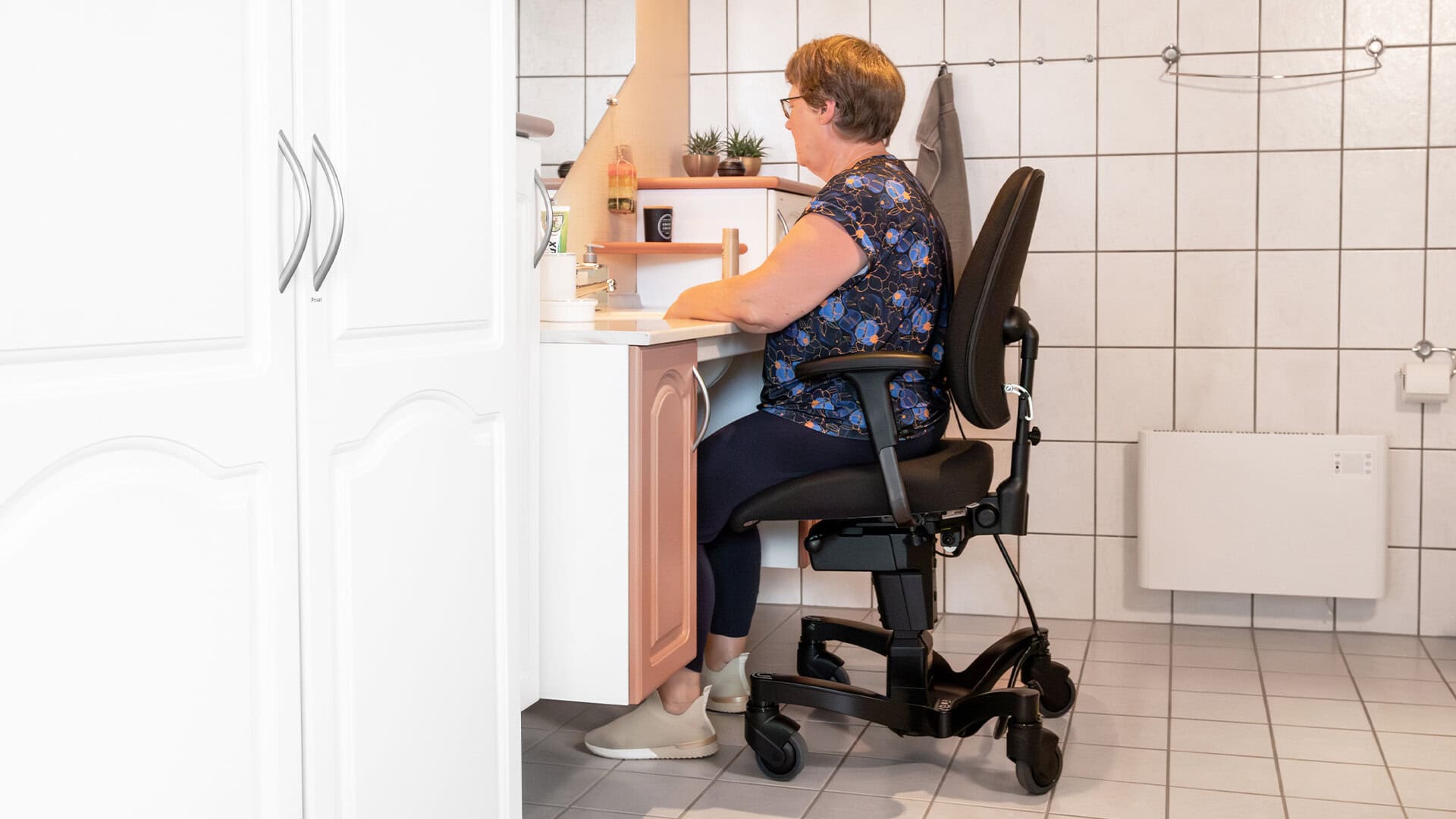
While assisted living facilities provide valuable support, many families explore ways to enable seniors to remain independent in their own homes for as long as possible. This is where solutions like the VELA chair come into play, offering tangible benefits in daily life. A medically approved mobility chair designed for home use, VELA enhances safety and freedom of movement, crucial for daily activities such as cooking, dressing, or transferring, while also reducing the strain on informal caregivers. Senior mobility solutions focused on maintaining independence can delay or even prevent the transition to more intensive care settings by addressing common risks like falls and enhancing comfort through features like stable seating and adjustable chair heights. Recent innovations in mobility aids include intelligent assistive devices that dynamically adapt to users’ movement, optimizing walking and reducing mobility barriers, with user-friendly integration that promotes daily use. Consumer adoption of these advanced devices continues to grow, as two-thirds of adults over 50 anticipate that technology will facilitate aging-in-place and improve quality of life[5][6][7].
Navigating Senior Care Options in South San Francisco
Choosing the right assisted living facility in South San Francisco requires understanding the area’s demographic specifics, exploring highly rated facilities, and considering financial options. Cultural competency and the availability of mobility aids like the VELA chair are also crucial for making informed decisions. With appropriate guidance and resources, families can secure a fulfilling and safe environment for their loved ones to thrive. In conclusion, evaluating these key aspects ensures that your loved ones receive the care they deserve while enjoying the vibrant and diverse community that South San Francisco has to offer. For additional research and recommendations, refer to trusted resources like A Place for Mom and Seniorly.
Supporting Aging in Place: A Practical Option
Keeping seniors safe and independent at home often involves strategic use of assistive devices, with mobility chairs for seniors like the VELA chair being effective tools. These chairs mitigate fall risks by facilitating stable seating and smooth transfers. An electric height adjustability allows users to easily adjust their seating position, reducing the propensity for falls and enhancing safety. This practical solution often allows seniors to live with dignity, preserving their autonomy and delaying the need for nursing home care. Thus, investing in such tailored mobility equipment supports daily activities like cooking and dressing, ultimately upholding a higher quality of life both for the elderly and their caregivers by significantly lightening day-to-day physical demands. The integration of AI-powered reminders, sensor-based brain training, and smart home automation in these solutions further enhances safety, cognitive health, and the ability of older adults to age in place independently[1][2][3][4][5][6].
References:
[1] Channel Point Village, “How Assistive Technologies are Shaping Senior Care in 2025”
[2] MyCareConcierge.org, “How Technology will Transform Senior Care in 2025”
[3] PMC/NCBI, Sweeting A., 2024, “The Role of Assistive Technology in Enabling Older Adults”
[4] HumanCareNY.com, “The Role of Assistive Technology in Geriatric Care Management”
[5] TheGoodLifeSV.com, “2025 AgeTech Showcases the Latest Technology for Seniors”
[6] LetsEnvision.com, “What’s Next for 2025: The Future of Assistive Technology & AI Assistants”
[7] CustomMarketInsights.com, “Disabled and Elderly Assistive Technology Market Size and Trends 2025”