

Updated September 2025: We have updated the article with the latest findings on AI-enhanced assistive technologies, augmented reality solutions for improved indoor navigation, integration of wearable safety devices, and Florida-specific assistive technology programs (FAAST, CARRT). The content now reflects new trends in universal and inclusive design, rehabilitation best practices, and the expanded availability of regional resources to support seniors and individuals with disabilities in Sarasota.
Finding Your Ideal Assisted Living Facility in Sarasota, FL
Sarasota, Florida, is a prime destination for seniors seeking quality assisted living options, thanks to its scenic beauty, cultural richness, and strong community support. According to U.S. News and World Report, it’s one of the best places to live in Florida. This appealing location has a significant senior population, with 29.25% of residents being 65 years and older, compared to the national average of 16.84%.
Exploring Assisted Living Options in Sarasota, FL
Sarasota offers a diverse array of assisted living facilities tailored to different needs. Notable options include:
- Cabot Reserve on the Green: A not-for-profit community that provides a warm, pet-friendly atmosphere. Residents can access services ranging from assisted living to memory care and respite stays, creating a homelike environment, emphasizing social growth, safety, and security as noted by Florida Senior Consulting.
- Alderman Oaks Retirement Center: Situated downtown, it offers both independent and assisted living options within easy reach of Sarasota’s amenities, ideal for those wishing to stay connected to city life.
- Aviva Senior Living: As Sarasota’s exclusive not-for-profit senior rental community, it offers a continuum of care tailored to evolving resident needs, making transitions between care levels seamless. More details are available at Aviva Senior Living.
- Sarasota Memorial Nursing & Rehabilitation Center: Recognized among Newsweek’s “America’s Best Nursing Homes 2025”, this center is renowned for its excellent care delivery.
Financial Considerations for Assisted Living in Sarasota
Understanding the financial aspect of assisted living is critical. As of 2023, Sarasota’s average cost is $4,570 per month; this is slightly above the Florida average of $4,200 but below the national average of $4,700, as reported by Florida Senior Consulting. Financial planning should consider these costs along with potential financial assistance programs, which can be explored further through resources such as SeniorLiving.org.
Navigating the Transition to Assisted Living
Transitioning to assisted living involves significant emotional and logistical planning. Families need to prepare the home for sale or rent, choose the right facility for both current and future care needs, and prioritize community integration. According to Senior Living Selections, maintaining independence is a key concern. For example, Ms. Johnson’s successful transition involved selecting a facility close to her previous neighborhood, ensuring she remained connected to friends and familiar surroundings.
As families explore options for transitioning seniors into assisted living, they often face the challenges of maintaining independence while ensuring safety and convenience. Alongside established solutions like the VELA Independence Chair, new technologies can further support autonomy for seniors and those with disabilities. Recent advances include AI-driven smart glasses with real-time scene description and object recognition, wearable devices with SOS features, and augmented reality navigation tools that facilitate movement and confidence within assisted living communities and public spaces12. These solutions help seniors engage safely in daily activities, minimize caregiver burden, and may delay the transition to more intensive care settings.
Specialized Care Services: Memory Care and Beyond
Sarasota provides extensive options for specialized care, including memory care for Alzheimer’s and dementia. Assisted living providers now increasingly integrate inclusive design practices and technologies such as mixed-reality support for cognitive transitions, adaptive controls, and personalized devices compatible with complex needs3. Facilities like Aviva Senior Living offer dedicated memory care units with rigorous safety measures and specialized programs to engage residents. Exploring memory care options through Aviva Senior Living can offer valuable insights into these services, enhancing the quality of life for those affected.
In-home care, nursing homes, and adult day care programs further diversify senior care options, catering to varied health needs. New rehabilitation practices emphasize universal design, user involvement in product development, and adoption of accessible mainstream tools, enhancing independence and community participation for all residents3.
Supporting Aging in Place: A Practical Option
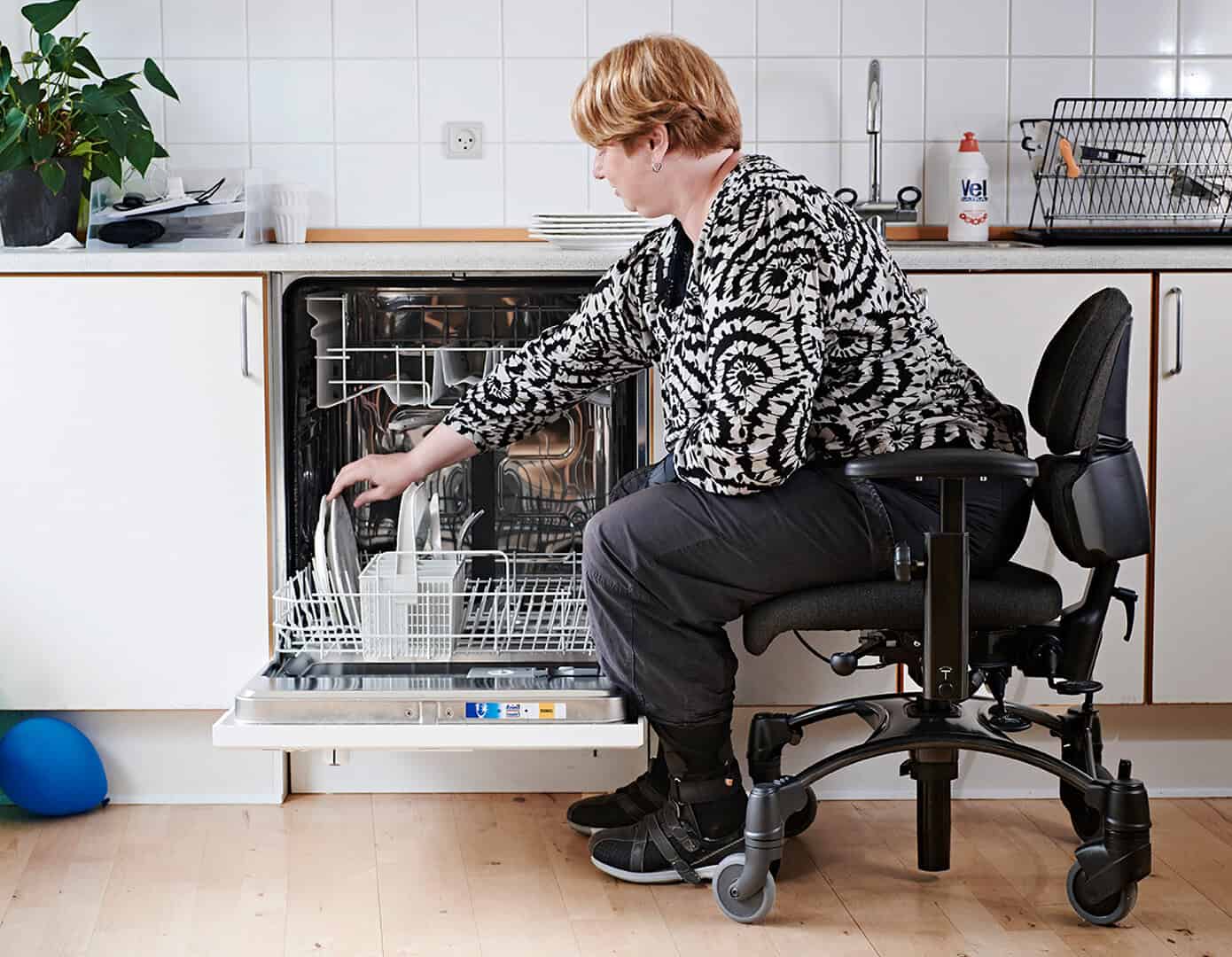
As seniors consider the best ways to maintain independence and comfort in their homes, mobility solutions like the VELA Independence Chair play a pivotal role. This chair is designed with features that prioritize safety, including a central brake, and it offers electric height adjustability for easy positioning. By enabling ease of movement while seated, the chair significantly assists with everyday tasks like cooking and relaxing. It also conserves energy and enhances safety, prolonging the period that seniors can remain in their own homes before considering a move to assisted living facilities. In addition, the integration of advanced assistive technology—such as remote caregiver monitoring apps, smart home modifications for conditions like Parkinson’s, and device loan programs—helps support independent living in Sarasota45. Through Mobility Solutions for Seniors, products like the VELA Chair demonstrate how both modern mobility aids and innovative technologies can maintain dignity and freedom, offering valuable alternatives or supplements to traditional care facilities.
Regional Resources: Florida and Sarasota Assistive Technology Support
For residents of Sarasota and surrounding areas, Florida offers robust assistive technology resources such as the Florida Alliance for Assistive Services and Technology (FAAST) and the Center for Assistive, Rehabilitation, and Robotics Technologies (CARRT). These organizations provide device loans, training, home modification support, and consultations designed to empower individuals and families living with disabilities45. Sarasota County Schools and public libraries further contribute by integrating accessible reading materials, assistive device support, and inclusive services into their community programming, ensuring that users at every ability level have access to resources that enhance quality of life67.
References
- FloridaReading.com’s 2025 assistive technology trends for visually impaired: AI-driven smart glasses, indoor navigation advances, and inclusive design approaches
- OpenPR 2025 Disabled and Elderly Assistive Technology Industry Trends Report (market size, growth projections, innovation drivers)
- Assistive Technology Industry Association (ATIA), “Assistive Technology Outcomes and Benefits” Spring 2025 report featuring emerging devices, mixed-reality, and integrated support technologies
- Florida Alliance for Assistive Services and Technology (FAAST) – programs, device loans, training, and state-specific resources for assistive technology users in Florida
- FAAST/CARRT Florida – regional assistive technology education, device access, and home modification initiatives
- Sarasota County Schools Technology and Assistive Technology Support – regional integration of assistive tools and training
- Sarasota County Libraries Assistive Technology Services – accessible reading materials and assistive device support for disabled residents