

Updated September 2025: We have updated the article with the latest 2025 Hawaii regulations affecting assisted living—including new licensing and ownership rules, Medicaid eligibility thresholds, staffing and medication management standards, innovations in assistive technologies, and emerging support policies for family caregivers.
Understanding Assisted Living in Hawaii Kai: Demographics & Needs
As seniors seek out quality care, Hawaii Kai emerges as a preferred destination for its unique blend of cultural richness, natural beauty, and community-oriented atmosphere. According to the State of Hawaii, Department of Business, Economic Development & Tourism, the elderly population is projected to increase significantly, with expectations to reach 19.1% by 2020. This demographic shift underscores the escalating demand for assisted living facilities in the area.
Who Needs Assisted Living?
Seniors experiencing conditions such as hypertension, arthritis, and mobility limitations often require assisted living services that provide daily support while promoting autonomy. These facilities cater to residents’ daily needs through personalized care plans that address medical management and personal assistance. For instance, Mrs. L., a resident with mild cognitive impairment, finds comfort in knowing that medication management and mobility assistance are available to her whenever necessary.
What Makes Hawaii Kai Unique for Seniors?
Hawaii Kai offers a community-rich environment where seniors can thrive. With access to beautiful scenic locations and cultural activities, such as traditional Hawaiian hula classes and lei-making workshops, seniors can stay physically active and socially engaged. These programs are particularly attractive to seniors seeking a fulfilling lifestyle in their golden years, allowing them to maintain an active lifestyle while immersed in the rich cultural heritage of Hawaii.
Regulations and Standards for Assisted Living in Hawaii
Who Licenses and Oversees Facilities in Hawaii?
The Office of Health Care Assurance (OHCA) is responsible for licensing and certifying assisted living facilities in Hawaii, ensuring they comply with safety and quality standards. Facilities undergo regular inspections to ensure ongoing adherence to these standards, fostering a trustworthy environment for residents and their families. As of 2025, the state introduced new licensing requirements under SB857, placing additional emphasis on community integration in care plans and strengthening rules around facility ownership, such as prohibiting owners or managers with gambling convictions to enhance resident safety and quality assurance.[1]
Mandatory Safety and Quality Standards
Facilities are required to meet extensive state regulations, including fire safety protocols, nutritional standards, and resident rights protections. State laws now emphasize that care plans must support integration with the wider community. Administrators of assisted living facilities are required to have healthcare experience, and all staff must complete orientation to assisted living principles. Medication administration is restricted to registered nurses, supporting safe handling of resident needs. Notably, Hawaii does not specify exact staffing ratios, so individual facilities determine their staffing levels to best ensure resident care.[4] For example, Mr. H., a resident, appreciates the facility’s commitment to providing meals that meet his dietary restrictions while still being flavorful and connected to local cuisine.
Top Assisted Living Communities in Hawaii Kai
Facility Features, Amenities, and Care Options
Top-rated facilities such as The Ivy at Hawaii Kai provide luxurious amenities, including ocean views and personalized wellness programs. Residents benefit from beautifully maintained gardens and community lounge areas, where they can socialize and participate in group activities, enhancing their overall living experience.
Reviews and Resident Experiences
A testament to the quality of these facilities is the positive feedback from residents and their families. For example, families commend The Ivy at Hawaii Kai for its supportive community environment and delicious meals that resonate with local flavors. This facility specifically caters to individual needs with a dedicated staff to ensure exceptional care. Ms. T.’s family highlighted the facility’s staff for their attentiveness and respect toward residents’ personal preferences and routines.
Cost Comparisons and Financial Planning
Assisted living costs in Hawaii Kai generally range from $4,172 up to $10,038 monthly, with the average around $7,105, reflecting the premium location and services offered, as reported by FamilyAssets. As of 2025, Medicaid eligibility and asset limits in Hawaii have changed and may affect who can qualify for state assistance covering these costs. The updated Medicaid Home and Community-Based Services (HCBS) waivers and other long-term care programs have specific income and asset thresholds; prospective residents should review the current state financial criteria when exploring funding options.[2], [5] In addition to long-term care insurance and state-sponsored aid, emerging policy proposals such as a Hawaii family caregiver tax credit may provide further financial relief for families supporting seniors.[7]
Healthcare Access and Specialized Services
Proximity to Hospitals and Medical Specialists
Access to medical care is crucial for seniors. Facilities in Hawaii Kai benefit from their proximity to top medical centers like Straub and Adventist Health Castle, ensuring that residents receive timely and effective medical attention when needed.
Programs for Diverse Wellness and Cultural Engagement
Many facilities offer programs that embrace wellness and cultural engagement tailored to local lifestyles. Activities include hula and lei-making, providing cultural enrichment that is key to maintaining a vibrant community spirit among the residents. These programs are essential for holistic well-being, helping seniors like Mr. R. to remain mentally sharp and socially connected.
Mobility, Safety, and Independence: Tools and Innovations
The Role of Assistive Devices: Spotlight on VELA Chairs
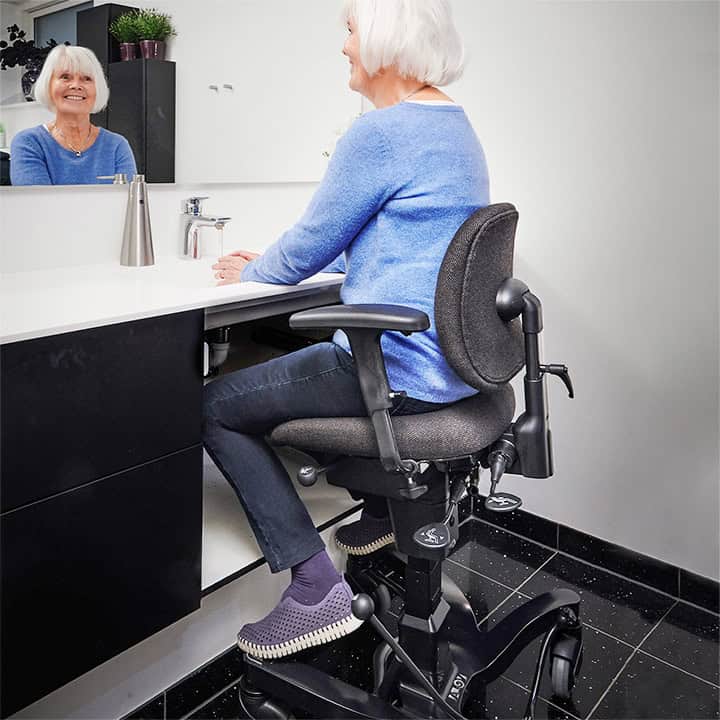
Navigating mobility challenges and ensuring safety are paramount concerns for seniors, whether living at home or in assisted facilities. Many older adults aim to stay independent in their own homes, avoiding the transition to nursing homes. Modern trends in assistive devices emphasize ergonomic and user-centered design, and new technologies—such as smart wheelchairs and adaptive devices integrating the Internet of Things (IoT)—are being adopted globally to encourage independence and community integration. In this context, innovative solutions like the VELA Independence Chair come into play. VELA is a medically approved mobility chair designed for use at home. It enhances safety with features like a central brake, provides freedom of movement while seated, and supports daily activities such as cooking, dressing, or transferring. By minimizing the strain on informal caregivers, the chair allows seniors to maintain autonomy and dignity in their daily lives.[1]
Supporting Aging in Place: A Practical Option
As seniors increasingly seek to maintain independence while living at home, solutions like the VELA Chair become invaluable. The chair’s design focuses on safety and mobility, addressing common concerns such as fall prevention and difficulty in transferring from one place to another. Its electric height adjustability and ease of movement while seated help preserve the energy and dignity of seniors as they go about their daily routines. Whether cooking a meal, engaging in household chores, or simply relaxing, the VELA Chair offers a supportive environment that can delay or even negate the need for nursing home care. While VELA is not the sole solution, it stands out as a practical choice among mobility aids, as highlighted in Senior Mobility Solutions and Assisted Living Solutions, ensuring seniors enjoy both freedom and safety in familiar surroundings.
- Hawaii Senate Bill 857 (Adult Residential Care Homes Licensing)
- Hawaii Medicaid Eligibility 2025 – Medicaid Planning Assistance
- State Regulations for Assisted Living Facilities – MyFieldAudits (Summary for Hawaii)
- Hawaii Office of Health Care Assurance – State Licensing Section
- Hawaii Medicaid Long Term Care Programs (Med-QUEST) Eligibility 2025
- National Center for Assisted Living – State Regulatory Resources (Includes Hawaii 2025 updates)
- Hawaii House Bill 853 (Family Caregiver Tax Credit)