

Updated January 2026: We have updated the article to include new developments in AI-powered smart wheelchairs, robotic mobility and transfer aids, and sensors for mixed-traffic awareness. The article now reflects current trends in integrating assistive technology into skilled nursing and assisted living, highlighting how innovations like autonomous navigation, stair-climbing power chairs, extended-range wheelchair attachments, and robotic lifts enhance both independence and clinical outcomes. Regulatory trends and standards for technology adoption are also included, along with recent examples from CES 2026.
E-E-A-T Enhanced Article
When embarking on the journey of selecting the right care for an elderly loved one, the difference between a skilled nursing facility and assisted living can be a pivotal factor in making informed decisions. Understanding these differences is crucial for families navigating their loved ones’ health needs and personal preferences. By 2030, all baby boomers will be age 65 or older, highlighting the need for a clear understanding of senior care options, according to the National Institute on Aging. To aid this decision-making process, let’s delve into these two options and explore their distinct attributes.
Understanding the Environment: Clinical vs. Homelike Settings
Skilled nursing facilities are designed to cater to individuals with complex medical needs. These environments often resemble hospitals and focus on providing comprehensive medical care. Residents in these facilities may require continuous monitoring and assistance from healthcare professionals. According to the National Institute on Aging, these facilities prioritize medical intervention and management, with licensed nurses and therapists available around the clock to assist with a range of healthcare needs. In recent years, skilled nursing environments have increasingly integrated advanced assistive technologies, including AI-powered devices and rehabilitation robotics. For example, innovations such as AI-powered smart wheelchairs with autonomous navigation (like those from LUCI and Adventus Robotics) and robotic transfer aids such as ReviMo’s Niko have begun to enable greater resident independence for bed-to-chair mobility. The adoption of all-terrain power chairs, such as the XSTO X12, which can climb stairs, is also reducing dependency on staff for navigation within and around facilities. Additionally, sensors for mixed-traffic awareness (SEERU) and accessible vehicle-pedestrian interfaces (MaaS-Bridge AI) are enhancing the safety and mobility of residents, especially in environments where interaction with automated transport and diverse traffic is routine. These solutions support medical oversight while improving functional independence and engagement for residents (Mobility Management, 2026; AbilityMT.org, 2025; Accessibility.org.au, 2026).
In contrast, assisted living communities offer a more residential, apartment-like atmosphere that promotes independence while providing necessary support for daily living. For instance, a family might choose assisted living for a loved one who values a homelike setting yet still needs help with activities such as bathing, dressing, or medication management. This choice allows seniors to maintain a sense of autonomy and community engagement. As pointed out by SeniorLiving.org, these communities focus on balancing independence with supportive care. Increasingly, technological advancements originally designed for more clinical environments are being adopted in assisted living to support hospitality-driven models of care. For example, wheelchair attachments like WheelMove, offering an extended range of up to 25 km per charge (launching in 2026), allow residents to remain active and participate in community life without added caregiver assistance. AI-powered smart wheelchairs and integrated safety features (such as pressure monitoring via LUCI add-ons) further empower residents to manage mobility while also reducing staff workload. Touchless personal care systems and smart home integrations are trends that continue to blend independence with environmental safety and convenience (AbilityMT.org, 2025; Accessibility.org.au, 2026; Mobility Management, 2026).
Levels of Care: Comprehensive Medical vs. Supportive Independence
The key difference between skilled nursing facilities and assisted living lies in the level of care provided. Skilled nursing facilities offer 24-hour medical supervision with licensed nurses and therapists available to handle complex health issues, making them suitable for individuals with unstable medical conditions that require frequent assessments and specialized care. Dove Healthcare elaborates on how these facilities provide critical care and rehabilitation services for multiple diagnoses. Rehabilitation and daily care in skilled nursing are steadily enhanced by the integration of wearable robotic exoskeletons, pressure-sensing wheelchair modifications (LUCI system), and advanced lift systems. Robotic transfer aids, such as Niko from ReviMo, provide greater independence during bed-to-chair transitions, which can decrease the physical demands on staff and accelerate recovery in rehabilitation settings. The arrival of stair-climbing and all-terrain wheelchairs further expands resident mobility, supporting both targeted rehabilitation and enhanced participation within the facility (AbilityMT.org, 2025; Accessibility.org.au, 2026; Mobility Management, 2026).
On the other hand, assisted living focuses on providing support for daily activities, catering to individuals with stable medical conditions who may not require intensive medical oversight. Trained caregivers assist with daily routines, fostering a balance between support and independence. A common scenario involves an elderly individual initially living in assisted living and then transitioning to a skilled nursing facility if their medical needs increase. Growing adoption of mobility innovations in assisted living—including AI-driven wheelchairs and sensor-based monitoring for pressure ulcer prevention—further enables residents to manage daily routines with less direct staff involvement. The WheelMove wheelchair attachment and new all-terrain mobility devices are increasingly being used to promote active lifestyles and social engagement, reflecting a trend toward extending independence for longer within hospitality-oriented care models (AbilityMT.org, 2025; Mobility Management, 2026).
Staffing and Regulation: Qualified Medical Teams vs. State-Specific Standards
Staffing models and regulatory oversight differ significantly between these care options. Skilled nursing facilities have licensed medical personnel on-site and are subject to federal oversight, ensuring consistent standards and thorough inspections. They must meet Medicare and Medicaid certification requirements, as outlined by the American Health Care Association/National Center for Assisted Living (AHCA/NCAL). Regulations now increasingly include support and guidance for technology adoption, such as insurance funding for advanced devices like the LUCI pressure monitoring system via medical necessity letters. Facilities are encouraged to pilot and implement high-potential assistive products to improve outcomes, safety, and resident autonomy. The expansion of AI-powered wheelchairs and robotic lifts is supported in skilled nursing for both rehabilitation and everyday mobility (AbilityMT.org, 2025; Mobility Management, 2026; NewLifestyles.com, 2026).
Conversely, assisted living communities are primarily regulated at the state level, resulting in varied standards across different locations. This framework allows for more flexibility in adapting to state-specific needs but also requires families to navigate these regulations when selecting a community. The Willows Healthcare provides insights into how state regulations can impact the level of service and care available in assisted living settings. Trends in state regulation now include standards and recommendations for technology integration, supporting the safe use of advanced wheelchairs, robotic mobility aids, and connected health monitoring systems to maximize resident independence and safety (NewLifestyles.com, 2026; Mobility Management, 2026).
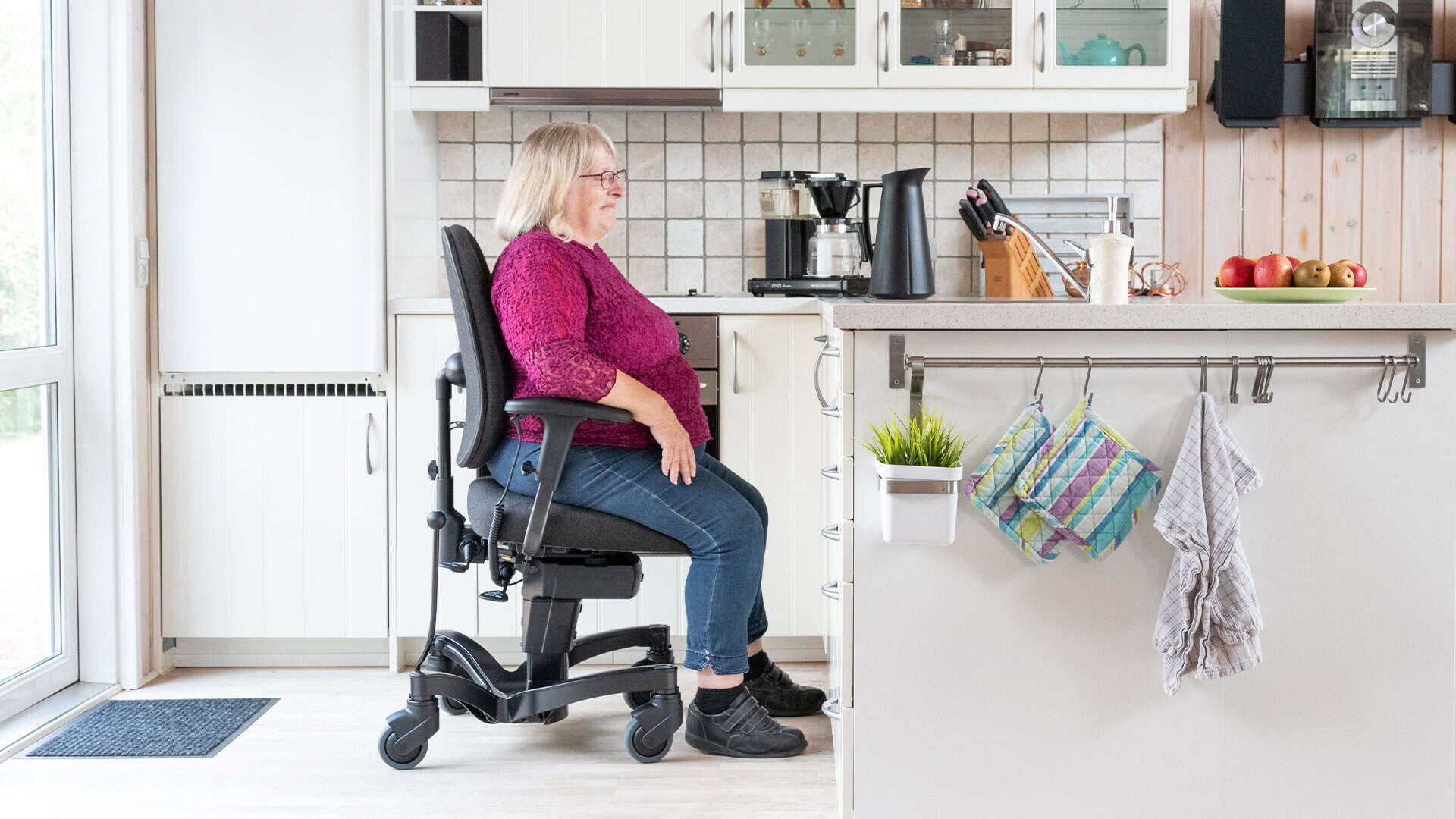
While nursing homes and assisted living facilities provide essential care options, some older adults seek ways to preserve their independence and stay in their homes. Here, solutions like the VELA Independence Chair become valuable. This medically approved mobility chair is designed for home use, offering enhanced safety and unrestricted movement while seated. It supports daily activities such as cooking, dressing, and transferring, and significantly eases the burden on informal caregivers. Recent home-support advances include new AI-guided mobility aids, ergonomic innovations, and device integrations that allow for improved self-reliance (AbilityMT.org, 2025; Mobility Management, 2026).
How Mobility Solutions Like VELA Make a Difference
Mobility solutions, such as the VELA Chair, empower seniors to maintain their independence at home longer. Key features like the central brake improve safety by preventing falls, and the electric height adjustability facilitates easier standing and transfers. Additionally, the chair’s design allows for effortless movement while seated, which conserves energy and enhances freedom. By addressing challenges common in aging, such as reduced mobility and fall risks, these chairs can delay the transition to institutional care. While VELA is a proven and practical solution, it is among many options that preserve dignity, safety, and independence for seniors deciding to age in place. Recent innovations, including smart wheelchair upgrades, extended-range wheelchair attachments, and home-use robotic transfer aids, now provide additional customization and support for seniors seeking to remain active and self-sufficient. Everyday activities—from enjoying a meal to lounging—become more accessible and less taxing, supporting a lifestyle of comfort and independence. For more help for seniors at home, consider assessing how such mobility aids fit within broader care strategies.
- CES 2026: 4 Assistive Technology Exhibitors to Watch (Mobility Management): mobilitymgmt.com
- Exciting Assistive Technology for People with Disabilities (AbilityMT.org): abilitymt.org
- CES 2026 Includes Mobility, Health and Smart Home Tools (Accessibility.org.au): accessibility.org.au
- Assisted Living vs Nursing Homes (NewLifestyles.com): newlifestyles.com
- Assisted Living vs. Skilled Nursing Care (HHHinfo.com): hhhinfo.com