

Updated September 2025: We have updated the article to reflect Maine’s new assisted living and residential care regulatory standards, including increased staffing ratio requirements effective September 17, 2025, with a focus on memory care and phased implementation. The article also now highlights recent trends in assistive technology, especially the role of ergonomically designed mobility aids, safety devices for dementia care, and the shift toward managing residents with greater medical and cognitive needs.
Overview: Assisted Living in Maine – Trends and Challenges
Maine, renowned for its rugged coastlines and picturesque landscapes, is also notable for having the highest median age in the United States. This demographic characteristic has led to a growing demand for eldercare services, particularly in assisted living facilities. According to the Maine State Economist Office, from 2020 to 2023, the state experienced a significant 22.8% increase in residents aged 75–79, highlighting the urgent need for quality senior care options. For families exploring a “list of assisted living facilities in Maine,” understanding this context is essential.
Complete List of Licensed Assisted Living Facilities in Maine
Finding the right assisted living facility can be overwhelming. However, resources like the Maine Health Care Association’s directory can provide invaluable guidance. This directory offers a comprehensive, searchable list of licensed facilities, enabling families to filter by location and type of care. It’s vital to select a facility that meets both medical and non-medical support needs, ensuring a holistic approach to aging.
To effectively navigate resources like the Maine DHHS Licensed Provider Search, consider what specific care needs must be met. Many families find success by creating a ranked checklist of criteria—such as proximity to family, specialized programs, and facility amenities—to streamline their search.
Understanding Maine’s Aging Demographics: Who Needs Assisted Living?
Maine’s aging population presents unique challenges and opportunities for assisted living. Many seniors face chronic conditions like heart disease and diabetes or require assistance with daily living activities. Real-life scenarios, such as seniors needing support due to cognitive decline, necessitate facilities that offer specialized care options.
As noted by the Maine State Economist Office, the increasing number of older residents reinforces the state’s commitment to expanding quality care services. Families are encouraged to evaluate their loved ones’ needs thoroughly against available facility offerings to ensure all health and lifestyle needs are addressed.
Comparing Maine’s Top Senior Living Facilities (Reviews & Amenities)
Several facilities in Maine are celebrated for their exceptional care and amenities. For instance, Stroudwater Lodge in Westbrook holds a stellar 5.0/5 rating, praised for creating a supportive community that boosts residents’ independence and confidence. Ashton Gardens Gracious Retirement Living in Portland also receives high marks for offering a welcoming environment that assures quality living.
The importance of staff attentiveness and diverse program offerings cannot be overstated. Facilities often provide unique offerings, such as memory care units and outdoor activities, crucial for enhancing residents’ quality of life.
Assisted Living Costs in Maine: What to Expect and How to Pay
Financial considerations are understandably at the forefront when evaluating assisted living options. Monthly rates for these facilities in Maine typically range from $6,000 to $7,500 for private one-bedroom units, with memory care facilities reaching $8,500 per month, according to SeniorGuidance.org.
Payment options such as Medicaid and Medicare offer pathways for managing these costs, though careful planning is crucial. Many find that sharing testimonials from those who have previously navigated these financial waters provides practical insights. For example, some families have successfully utilized a combination of personal savings and government support to align financial capabilities with care needs.
Special Programs: Memory Care, Independent Living, and Transitional Care
Facilities across Maine are increasingly offering specialized care programs, such as memory care for those with cognitive impairments. These programs often include daily planned activities and techniques for managing symptoms in a respectful and compassionate manner. Additionally, “aging in community” models are gaining popularity, with care levels that adapt to residents’ evolving needs, promoting a seamless aging process.
Enhancing Independence & Safety in Assisted Living – The Role of Adaptive Equipment
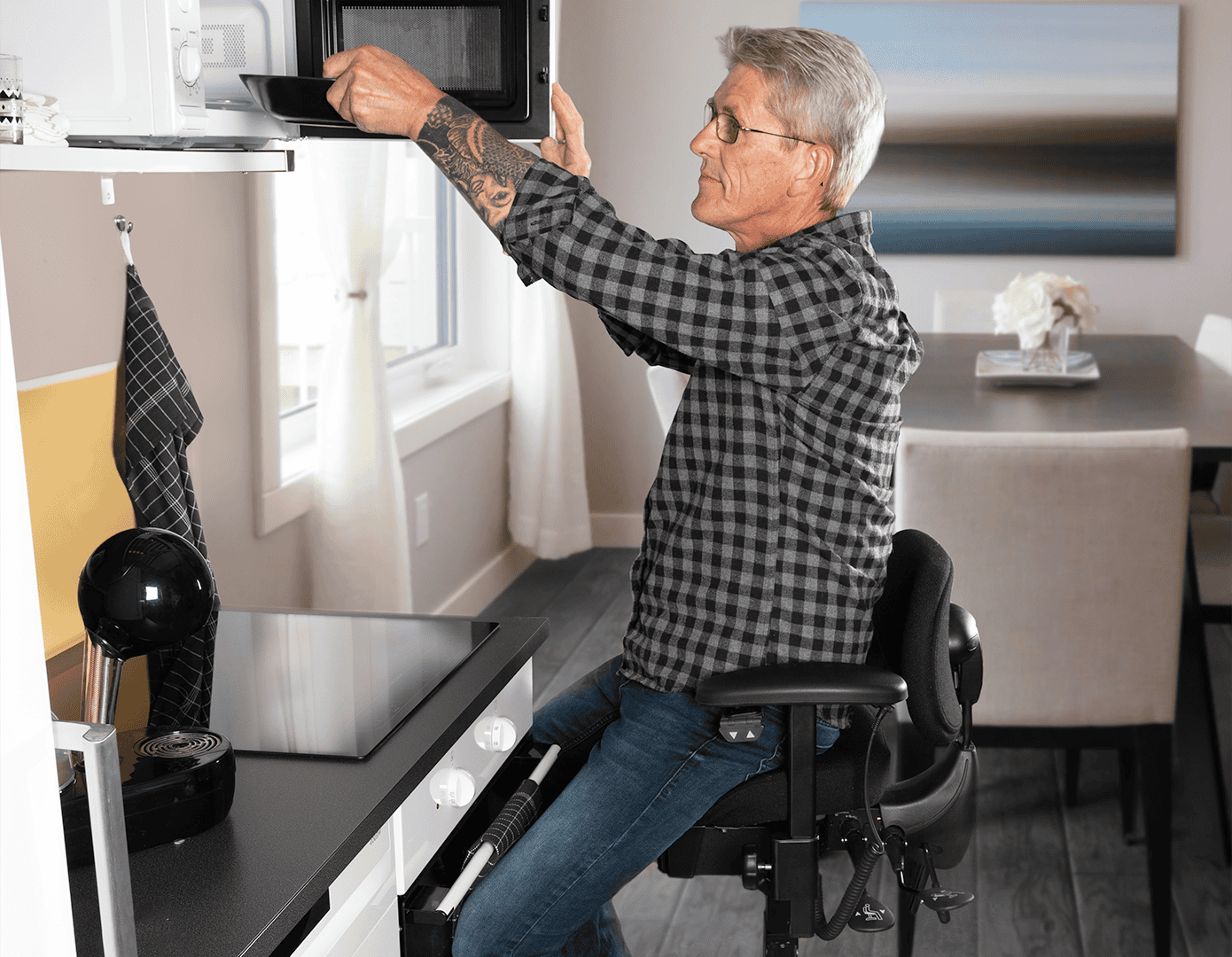
While the demand for assisted living facilities grows, challenges such as maintaining resident independence and minimizing the burden on caregivers persist. Adaptive equipment like the VELA Independence Chair provides an innovative solution to these challenges within home settings. Recent trends in Maine’s assisted living sector also emphasize integration of ergonomically designed mobility aids and inclusive product designs, supporting residents with physical or cognitive disabilities. Developed with safety and ease of use in mind, these devices allow individuals with reduced mobility to perform regular tasks more independently while lessening strain on caregivers.
In addition, assisted living providers are increasingly incorporating safety technology for those at risk, particularly in memory care settings. Devices such as sensor technologies, wearable alerts, and systems to prevent wandering (elopement) are being adopted more widely to enhance safety and reduce caregiver burden. This shift reflects the evolving resident profile—where greater acuity and complex medical and cognitive care needs are the norm—and underlines the importance of workplace and environmental adaptations.
The VELA Chair, as a medically approved mobility solution, offers enhanced safety and freedom of movement while seated, supporting daily activities like cooking, dressing, or transferring. Such adaptive equipment aligns with best practices involving multidisciplinary approaches to mobility support, including technologies that aid in independent movement and daily activities in both private homes and residential care facilities. These tools can significantly reduce the load on informal caregivers, enabling seniors to remain more independent for longer, potentially delaying the transition to more structured care environments.
Frequently Asked Questions About Assisted Living in Maine
- What services are typically included? Facilities offer a range of services, including meal preparation, assistance with daily activities, and transportation services.
- How do I evaluate facility quality? Inspect state reports, user reviews, and facility licenses. Visiting facilities and asking thorough questions can provide additional insight.
- Is memory care different from assisted living? Yes, memory care involves specially designed facilities to support individuals with dementia and Alzheimer’s, offering safe environments and structured routines. New regulations require increased staffing and enhanced assessment protocols for these units, reflecting the need for specialized support.
Maine DHHS Assisted Housing Programs Licensing Rule - What are Maine’s specific resident protections? As of September 17, 2025, Maine facilities must comply with updated regulations mandating stronger staffing ratios, especially in memory care, comprehensive elopement risk assessments, mandatory abuse reporting, and renewed attention to resident rights and safety. These standards aim to support residents with higher medical or cognitive needs, and will be phased in over two years for full implementation.
Maine DHHS Assisted Housing Programs Licensing Rule
Level III Residential Care Facilities Rule
The Maine Monitor
Choosing the Right Assisted Living Facility in Maine: A Balanced Perspective
Selecting an optimal assisted living facility in Maine requires balancing regulatory standards, cost considerations, and personal care needs. New state regulations effective September 2025 increase minimum staffing ratios, with special attention to memory care areas, and require adoption of safety and abuse prevention protocols. While the workforce shortage and cost factors continue to pose challenges for providers and families alike, leveraging resources like the Maine Health Care Association’s directory helps make informed decisions, ensuring seniors receive quality care tailored to their unique circumstances.
ProPublica
Staying Independent at Home with Support
For many older adults, maintaining independence is a priority, and mobility solutions like the VELA Chair can play a crucial role. These chairs address key challenges such as safety, energy conservation, and ease of movement, allowing individuals to perform daily tasks like cooking or dressing with greater ease and comfort. The central brake ensures safety, while electric height adjustability and effortless mobility reduce strain during tasks. By supporting daily functions, the VELA Chair can help delay the need for a nursing home, offering seniors dignity and freedom in their own homes. For more insights into how these solutions enhance active living for seniors, explore Mobility Solutions for Seniors. While VELA is one pragmatic option, many solutions contribute to successful aging in place, emphasizing the values of independence and safety at home.