

Updated January 2026: We have updated the article with 2026 Medicaid eligibility criteria for New Hampshire, new information on state and federal regulatory changes (including quarterly updates and direct-pay exemptions), enhanced focus on care plan reviews and unannounced inspections, and regional trends affecting staffing and facility requirements for assisted living, memory care, and “aging in place” options.
New Hampshire Assisted Living Facilities: A Comprehensive Guide
Navigating the landscape of assisted living facilities in New Hampshire is crucial for seniors and their families, given the state’s unique demographic profile. With New Hampshire having one of the oldest populations in the U.S., where 20.8% of residents are over the age of 65 as of 2023, understanding these options is more important than ever. According to the New Hampshire Fiscal Policy Institute, this demographic trend significantly impacts the demand for assisted living services in the state.
Understanding the Aging Population in New Hampshire
New Hampshire’s demographic trends reveal a substantial aging population, which drives demand for assisted living facilities. The median age in New Hampshire is among the highest in the U.S. This state is home not only to a growing senior population but also to those nearing retirement. The case of the Smiths in Concord, who are actively seeking a facility that can provide necessary support, illustrates the importance of understanding these demographics.
Navigating the Costs of Assisted Living in New Hampshire
Cost is a significant factor when considering assisted living options. In New Hampshire, annual costs for assisted living can average around $89,175, according to Genworth, which exceeds national averages significantly. The story of the Johnsons from Manchester highlights the necessity of evaluating payment options such as Medicare and Medicaid. With about 7.2% of adults over 65 in New Hampshire eligible for these programs, some residents find financial relief.
As of 2026, Medicaid eligibility for long-term care in New Hampshire requires income under $2,982 per month and assets under $2,500 for nursing home applicants. The Choices for Independence Waiver extends to assisted living facility residents and covers supports such as specialized equipment and home modifications for those with reduced mobility or disabilities. More details on these criteria are available from the official Medicaid planning resources. New Hampshire Medicaid Eligibility 2026
Exploring Assisted Living Services and Specialized Care Options
Assisted living facilities in New Hampshire offer services tailored to meet diverse needs. Standard services include 24-hour supervision, health programs, and personal care assistance. Facilities cater specifically to seniors with conditions like dementia and Parkinson’s disease. Pine Hill Residence, for example, provides specialized memory care units for Alzheimer’s patients, as detailed by A Place for Mom. For families such as the Thompsons, this exploration is vital to finding the best fit for their loved ones.
The regulatory review process includes quarterly updates as of 2025, with specific licensing, staffing, and training requirements. There are distinct rules and care scopes for assisted living, memory care, and continuing care retirement communities (CCRCs), each offering a range of aging in place and respite care options. Facilities in New Hampshire must follow current staffing mandates, with parallel attention paid to regional regulatory changes such as those seen in Maine. NCAL Assisted Living State Regulatory Review 2025 New Hampshire Health Care Association – Levels of Care Maine proposed assisted living rules
Ensuring Quality Care through New Hampshire’s Regulatory Framework
The quality of care in New Hampshire’s assisted living facilities is guided by evolving state and federal regulations. Recent updates require comprehensive resident assessments using the CARES Tool, ensuring accurate identification of mobility and care needs before and during residency. In alignment with Part He-P 804 of the New Hampshire Code of Administrative Rules, nursing reassessments must occur within 72 hours if a change in condition is noted, and care plans must address mobility, safety, and evacuation readiness. NH Administrative Rules SB124 Bill Text
Recent legislative actions impact licensing and regulatory requirements. Notably, starting in 2026, New Hampshire’s House Bill 1562 proposes exemptions from standard licensing for direct-pay health care facilities, reflecting the state’s focus on regulatory flexibility. Facilities must comply with enhanced requirements for licensing, move-in resident reassessments, and increased transparency. These regulatory changes are summarized in the NCAL State Regulatory Review 2025, which now provides quarterly updates for New Hampshire and neighboring states. NCAL Assisted Living State Regulatory Review 2025 NH HB1562 (2026)
At the federal level, the Centers for Medicare & Medicaid Services (CMS) introduced updated guidance effective March 2025. Standardized surveys now assess compliance with resident rights, quality of care, environment, and specialized rehabilitative services, strengthening oversight of facilities’ ability to support those with mobility limitations. CMS Guidance 2025
State licensing rules also require regular, often unannounced, inspections as well as comprehensive care plan reviews for each resident, practices designed to uphold high care standards and ensure responsiveness for changing health or mobility needs. These inspection and care review procedures are central to New Hampshire’s regulatory approach. New Hampshire Health Care Association – Levels of Care
Making Informed Choices for Assisted Living in New Hampshire
Choosing the right assisted living facility involves strategic steps:
- Conduct thorough research: Utilize state resources to confirm licensing and previous inspections.
- Visit multiple facilities: Gauge the environment and staff interactions.
- Understand assessment procedures: Ensure that facilities use comprehensive tools like the CARES Tool and comply with the latest nursing reassessment requirements to meet care needs.
- Evaluate specialty services: Determine if specialized care is needed for specific health conditions, with a focus on updated best practices for mobility and safety planning.
- Consider all costs: Be aware of potential additional service fees and the latest Medicaid eligibility options and coverage for assistive equipment and modifications.
By understanding New Hampshire’s assisted living landscape, families can prepare for this significant transition, making choices that align with their needs. As outlined by Retirement Living, informed decisions ensure seniors receive the best possible care and support in their golden years.
Supporting Aging in Place: A Practical Option
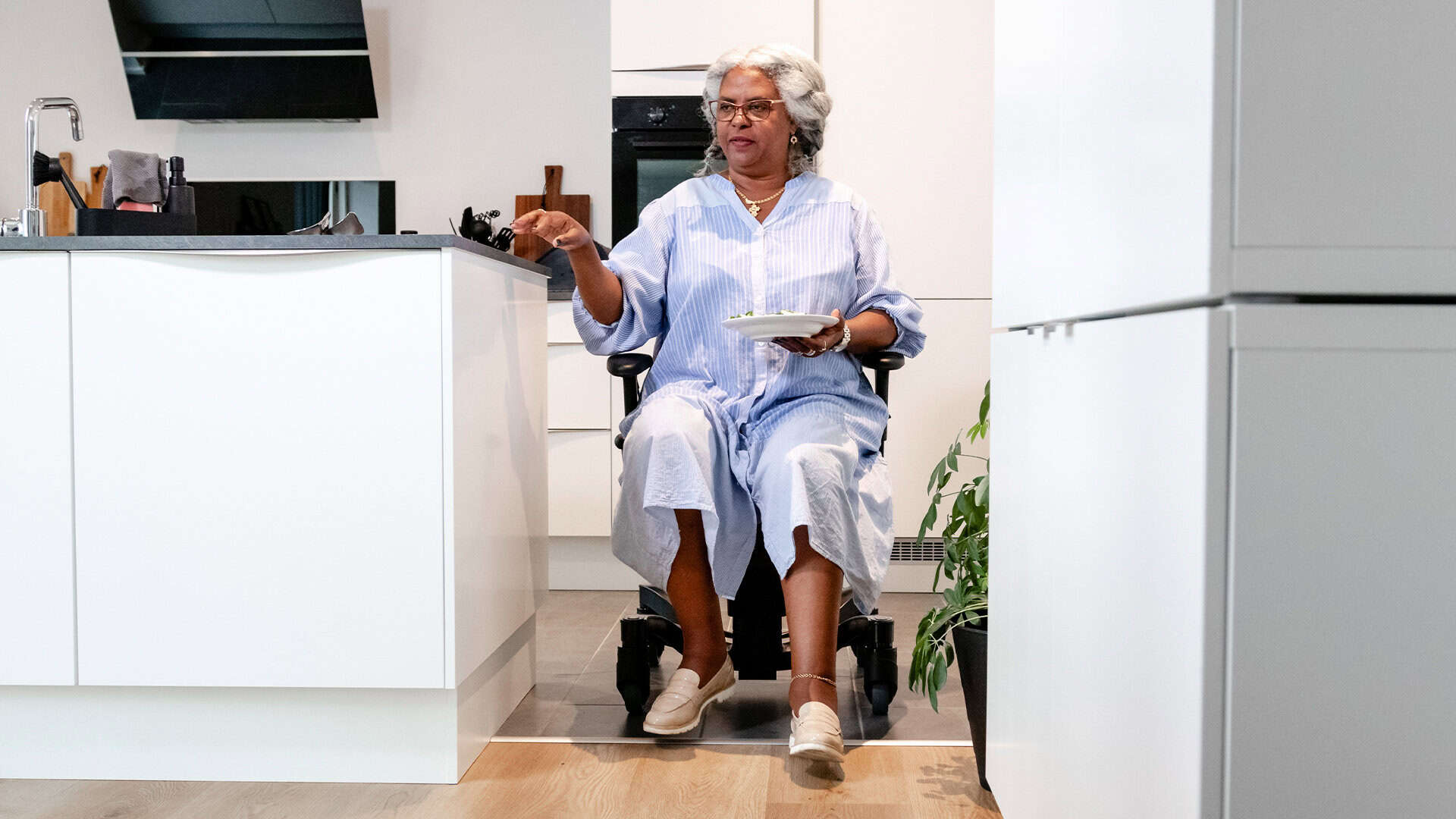
Staying independent at home is a cherished goal for many seniors, and solutions like the VELA Chair make it a viable option. While innovative assistive technologies and ergonomic designs are available, recent regulatory attention is focused on expanding Medicaid waivers and state support for home modifications and equipment to support “aging in place.” In New Hampshire, regulatory models and CCRC options make it possible to blend independent living with access to needed support when health status changes. Regional proposals like Maine’s staffing ratio adjustments also influence ongoing debates on care standards for memory care and assisted living facilities. Maine proposed assisted living rules New Hampshire Health Care Association – Levels of Care
This chair is designed to help residents navigate their homes smoothly and safely, significantly reducing the need for a nursing facility. Key features like a central brake system prevent falls, while electric height adjustability supports easy transfers and energy-saving movement. The VELA Chair fosters dignity and freedom, making daily activities like cooking, cleaning, and relaxing feasible and less burdensome. Though different aids exist, the VELA Chair offers a proven, practical approach to Aiding Senior Independence, demonstrating how thoughtful design can significantly impact life quality and wellbeing for older adults.