

Updated February 2026: We have updated the article with new research on AI-driven and modular assistive technologies, including autonomous wheelchairs, fall-predicting devices, retrofittable smart mobility tools, and sustainable ergonomic innovations. New trends in eco-friendly designs, IoT health monitoring, and inclusive mobility solutions from CES 2026—as well as evidence from recent clinical and industry conferences—have been integrated to reflect the latest best practices for home care and user independence.
Understanding Home Care Needs in Palm Harbor, FL
Home care assistance in Palm Harbor, FL is of increasing importance given the town’s aging population. According to the U.S. Census Bureau, the community’s population of approximately 61,454 includes nearly half who are seniors aged 65 and older. The median age of 50 further highlights Palm Harbor’s profile as an older-than-average community. This age bracket often grapples with health concerns such as arthritis, diabetes, and mobility issues—conditions necessitating specialized care.
Consider the case of Margaret, a 70-year-old Palm Harbor resident struggling with arthritis. Customized home care has been instrumental in managing her daily discomfort, enabling her continued active and dignified living. Her story is a testament to the tangible impact targeted home care can have, catering directly to specific health needs and enhancing quality of life.
Exploring Home Care Service Options
Palm Harbor presents a wide array of home care services tailored to meet the diverse needs of its senior population. These services include personal care such as bathing and grooming, companion care to combat isolation, and skilled care for medical needs.
Programs specializing in Alzheimer’s and mobility support are particularly crucial for improving the quality of life for seniors. A study from the Journal of the American Geriatrics Society states, “Personalized home-based care is linked with improved quality of life and decreased hospitalizations among seniors.” A focused case study following a senior with Alzheimer’s receiving individualized care emphasizes the effectiveness of personal attention in managing symptoms and offering stable care continuity.
The landscape of assistive technologies in home care has evolved significantly in recent years. AI-integrated smart mobility devices—such as fall-predicting walkers and autonomous wheelchairs with lidar navigation—now offer advanced, real-time, context-aware support. This has led to a measurable increase in user independence, with recent reports indicating that AI-driven personalization can boost autonomy for users by more than 65%, surpassing traditional options like standard canes or lifts. Existing manual wheelchairs can be upgraded with retrofit devices like modular WheelMove attachments, enabling greater range, stair-climbing capability, and smart health monitoring through easy add-ons. Leading solutions incorporate predictive fall technology, app-based controls, and IoT integration, further reducing strain for caregivers and empowering individuals to actively participate in their daily routines. Ergonomic and sustainable innovations—such as eco-friendly, customizable transfer aids and all-terrain power chairs—have been introduced by major exhibitors at CES 2026, reflecting a growing focus on both environmental impact and user comfort. Advanced wearable technologies and AI-powered obstacle detection continue to expand safety and mobility for users with visual or physical impairments, incorporating lighter, more responsive exoskeletons and intuitive control interfaces (CES 2026; All Seniors Care, 2026; Ability Montana, 2026; AbilityMT; IT Supply Chain, 2026).
Selecting the Right Home Care Provider in Palm Harbor
Choosing a home care provider is a significant decision. Reputed local agencies like Senior Helpers and Home Helpers Home Care offer comprehensive services and flexibility, tailored to meet each client’s unique needs. As per Medicare.gov, non-medical home care rates average $25–$35 per hour.
Sarah, whose mother receives care from a top-rated agency, reflects on her experience: “I feel comfortable knowing my mom is in good hands and safe at home.” Her sentiment mirrors the peace of mind many families experience from entrusting their loved ones to skilled caregiving professionals. Financial flexibility can be achieved through payment options such as Medicare and long-term care insurance.
Recent technology trends encourage families and care providers to focus on adaptive and personalized tools that match user needs and lifestyles. Innovations include not only customizable ergonomic aids, AI-driven voice assistants, and wearable mobility devices, but now also modular, retrofit smart technologies—such as LUCI sensors or sip-and-puff controls for existing wheelchairs—making advanced safety and monitoring features accessible without needing to replace established equipment. Devices like WheelMove attachments and XSTO stair-climbers brought to market during CES 2026 are being adopted in home and rehab settings, maximizing independence in both compact living spaces and varied terrain. The integration of such technologies supports individualized, high-quality care and helps reduce caregiver strain (CES 2026; All Seniors Care, 2026; Ability Montana, 2026; IT Supply Chain, 2026; Duquesne AT Conference, 2026).
Ensuring Quality and Safety in Home Care
Quality and safety are paramount in ensuring effective home care in Florida. Florida State Regulations mandate stringent licensing standards for all providers, including background checks and routine inspections, to uphold care quality.
Trained caregivers play a crucial role in improving safety outcomes, especially in fall prevention. The CDC emphasizes that falls are the leading cause of injury-related deaths among those aged 65 and older. Therefore, having caregivers proficient in such preventative techniques contributes significantly to senior safety.
Technological advancements now strengthen home safety even further. Modular smart wheelchairs with autonomous navigation and seat pressure monitoring, wearable sensor technology, and AI-driven real-time obstacle detection help minimize fall risks and prevent pressure injuries. Integrated IoT systems allow for ongoing health monitoring and proactive alerts, while eco-friendly and highly customizable assistive devices better support energy conservation and ease of use. Policy updates in 2026 also highlight expanded insurance support for durable medical equipment, helping families and providers keep pace with evolving clinical best practices. These adaptive technologies, highlighted at leading conferences such as the Duquesne Assistive Technology Conference, align with the World Health Organization’s call for universal access to user-centered, affordable assistive devices and inclusive transport solutions such as MaaS-Bridge AI for safe vehicle-to-pedestrian transitions (WHO Global Report, 2025; CES 2026; IT Supply Chain, 2026; Duquesne AT Conference, 2026). Collaborative, evidence-based design and continued focus on safety and inclusion are guiding principles in state, national, and international policy.
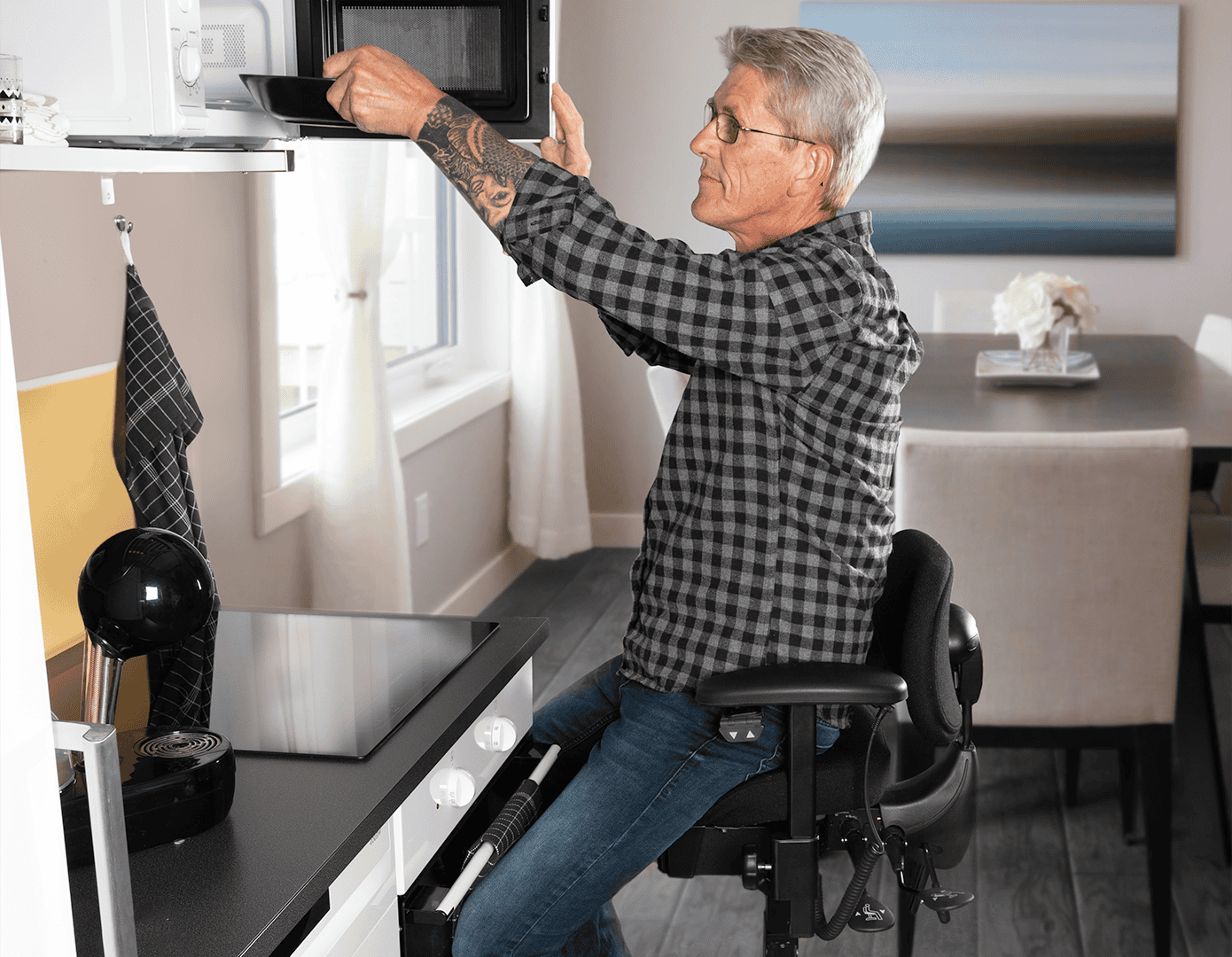
As seniors and their families navigate the challenges of aging, from choosing home care to considering potential nursing home options, the focus often shifts to maintaining independence at home for as long as possible. To support this goal, solutions like the VELA Independence Chair offer an innovative approach. This medically approved mobility chair is designed to enhance safety and provide freedom of movement during daily activities, such as cooking or dressing, while reducing the physical demand on caregivers. More information can be found through resources on Effortless Home Movement.
Staying Independent at Home with Support
Investing in solutions like the VELA Independence Chair can make a significant difference in a senior’s ability to remain independent at home. With features such as electric height adjustability, central brake for enhanced safety, and easy maneuverability while seated, these chairs address common mobility concerns and help reduce fall risks. This can delay or entirely avoid the need for a nursing home by empowering individuals to manage everyday tasks such as cooking, cleaning, and self-care activities with greater ease. The VELA Independence Chair also helps conserve energy and reduce caregiver burden, offering both dignity and practicality in aging-in-place setups. While it is among various available tools, its practical design ensures that seniors can maintain a vibrant lifestyle with confidence and comfort. For specific features and benefits, the VELA Independence Chair Benefits provides comprehensive insights.
The assistive technology market is rapidly expanding, propelled by advances in AI, Internet of Things, wearable solutions, and sustainable development that support independence at home. Smart, retrofit-ready power mobility devices, AI-driven health monitoring, all-terrain and stair-climbing wheelchairs, and eco-friendly transfer aids are now setting new standards in both effectiveness and accessibility. Clinical trials in 2026 are advancing neural interface assistive solutions for paralysis, and user adoption of modular, upgradable equipment for small homes is growing rapidly. Evidence from major industry events such as CES 2026 and the Duquesne University Assistive Technology Conference emphasize the importance of personalization, shared control systems, and interdisciplinary policy development. Despite these advances, challenges related to affordability, awareness, and insurance access for durable medical equipment remain—making funding, workforce training, and ongoing policy reform ongoing priorities for the sector (CES 2026; All Seniors Care, 2026; IT Supply Chain, 2026; WHO Global Report, 2025; Duquesne AT Conference, 2026).
References
- Carr, Dawn. “Revolutionizing Accessibility: The Latest Innovations in Assistive Technology 2025.” Nabroward.com, Dec 31, 2024. Link
- “The Best Assistive Tech Gadgets in 2025: Enhancing Independence Through Innovation.” ThinkBeyondTheChair.org, 2025. Link
- Ellis, M., et al. “Recent trends in assistive technology for mobility.” PMC (PubMed Central), 2025. Link
- “Innovations in Assistive Technology.” Equal Accessibility LLC, 2025. Link
- “Exciting Assistive Technology for People with Disabilities.” Ability Montana, Aug 1, 2025. Link
- “Assistive Technology (AT) Market to Grow by USD 6.3 Billion from 2025-2029.” PR Newswire, 2025. Link
- ATIA Journal. “AT Innovations for Education, Employment, and Independent Living,” Vol. 19, Spring 2025. PDF
- LUCI. “Smart Wheelchair Technology.” Link
- Robooter. “Modular Powered Wheelchairs.” Link
- Envision. “AI Assistive Wearables for the Visually Impaired.” Link
- World Health Organization (WHO). “Global Report on Assistive Technology.” 2025. PDF
- CES 2026 Assistive Tech Exhibitors: WheelMove, MaaS-Bridge, SEERU, XSTO. Link
- Duquesne University Assistive Technology Conference, March 2026. Link
- All Seniors Care. “Top Mobility Aids Boosting Senior Independence and Safety in 2026.” Link
- IT Supply Chain. “A Practical Guide to Understanding Assistive Technology in 2026.” Link