

Updated February 2026: We have updated the article with new findings on AI-powered assistive devices, robotics, CES 2026 innovations, advanced smart home integrations, personalized mobility aids, digital health monitoring, and expanded insurance support for technology upgrades in live-in home care in St. Simons, GA. The latest research highlights AI-driven mobility devices, voice-activated and app-synced home supports, eco-friendly trends, and advanced caregiver tools now available or on the horizon.
Live-In Home Care Assistance in St. Simons, GA: Addressing Senior Needs with Compassionate Care
As the serene and picturesque St. Simons, GA, attracts more retirees seeking tranquility in their golden years, the demand for specialized services, such as live-in home care assistance, inevitably rises. The median age in the region is 59, highlighting a significant senior demographic, many of whom face health challenges that require tailored support. According to the U.S. Census Bureau, the aging population struggles with common health issues like ambulatory and independent living difficulties, necessitating comprehensive care solutions.
Understanding Live-In Home Care Assistance in St. Simons, GA
Live-in care uniquely caters to seniors needing consistent, round-the-clock support. It differs from hourly or visiting care by providing continuous caregiver presence in the home, ensuring personalized attention and a safer living environment. According to Visiting Angels Southeast Georgia, typical services include personal care, medication management, and assistance with daily living activities, essential for maintaining dignity and comfort. This form of care profoundly enhances a senior’s quality of life, fostering emotional and physical well-being through strong caregiver-client bonds.
Recent advances now feature AI-powered mobility devices such as smart walkers and wheelchairs that learn a user’s gait patterns to prevent falls, autonomous navigation systems, and add-on robotics (such as WheelMove) for manual wheelchairs to extend outdoor range. Home safety is enhanced with voice-activated grab bars, motion-sensing lighting, automated medication dispensers with app integration, and advanced wearable or toilet seat sensors that provide predictive AI-driven health monitoring. These devices, combined with telemedicine and connected care platforms, help seniors and caregivers manage health and access clinical support remotely, enhancing both safety and independence at home. The focus in 2026 is on seamless user-device integration, highly personalized technology adaptations, and shared interfaces for better accessibility. Channel Point Village (2025), MyCareConcierge.org (2025), Cyces AgeTech Trends 2025, HBRHC Senior Living Trends 2025, LeadingAge: 3 Trends in Senior Care Technology, CES.tech: Accessibility Advancements
Elderly Demographics and Common Health Needs in Coastal Georgia
St. Simons is home to a burgeoning senior population facing significant health challenges. The Family Caregiver Alliance notes that 22.2% of Georgians aged 65+ experience ambulatory difficulties, and 13.8% struggle with independent living, underscoring the importance of personalized care plans. These plans allow seniors to navigate daily routines comfortably by addressing specific medical conditions and lifestyle preferences. Personalized care regimens enhance independence and satisfaction, as demonstrated by numerous success stories where individuals thrive under well-tailored support.
In addition to traditional aids, a new generation of smart and AI-driven technology addresses a wide range of needs: smart canes and wheelchairs with Bluetooth communication and adaptive controls, AI-powered smart glasses for real-time object recognition, and brain-computer interface prosthetics that allow control of artificial limbs. Cognitive health applications and AI assistants support mental well-being, social connection, and task management, and are complemented by multi-modal smart home interfaces (voice, gesture, and motion detection). User adoption of digital health apps and wearables by seniors is surging, helping facilitate independent aging-in-place and making St. Simons a leading region for tech-enabled care. Think Beyond The Chair (2025), LetsEnvision.com (2025), PMC Assistive Technologies in Neurology, Equal Accessibility LLC (2025), Age in Place Tech Market Overview 2025, AARP: Tech Use and Adoption Keeps Surging Among Older Adults
What to Expect: Local Live-In Home Care Services and Providers
Local providers like Visiting Angels and Home Instead offer flexible services tailored to diverse needs. Reviews from platforms such as A Place for Mom praise these providers for caregiver responsiveness and adaptability to changing circumstances.
Quality caregivers demonstrate empathy, professionalism, and the ability to customize care to individual requirements, ensuring seniors receive not only medical support but also companionship and social interaction. New for 2026, area services now incorporate AI-driven mobility aids, real-time health monitoring with predictive analytics, voice-integrated medication dispensers, and care team wearables giving posture feedback for injury prevention. Smart home platforms offer automated lighting, safety alarms, and remote wellness tracking with data shared between caregivers, clinicians, and family. Providers increasingly help seniors access the latest insurance benefits for assistive technology and navigate structured technology assessments required for reimbursement under expanding private and public programs. EqualAccessibility.co (2025), ATOB Journal 2025, LeadingAge: 3 Trends in Senior Care Technology
Cost and Payment Options for Home Care in St. Simons
The cost of live-in care in St. Simons varies depending on the support needed. The Genworth 2021 Cost of Care Survey states the average hourly rate is about $35, but live-in care can be a cost-effective, long-term solution on a per-hour basis. Families often explore various payment options, including private funds and insurance coverages, to manage expenses. Many succeed by leveraging financial aid programs and strategically organizing their budgets to afford necessary care.
With the adoption of AI-powered home technologies, voice-activated devices, and digital health tools, private insurance coverage and long-term care policies in Georgia have expanded their eligibility for reimbursing device costs—including advanced fall detection, smart pill dispensers, and remote health subscriptions. New public and private sector programs support accessible upgrades, and recent market growth has seen insurance providers offering enhanced funding for these durable medical equipment (DME) technologies. Local agencies and home care providers now also offer assistance to families navigating these benefits and staying informed on region-specific funding updates. Nabroward.com (2024), GlobeNewswire US Assistive Technologies Market Report 2025
Enhancing Mobility and Independence with VELA Chairs
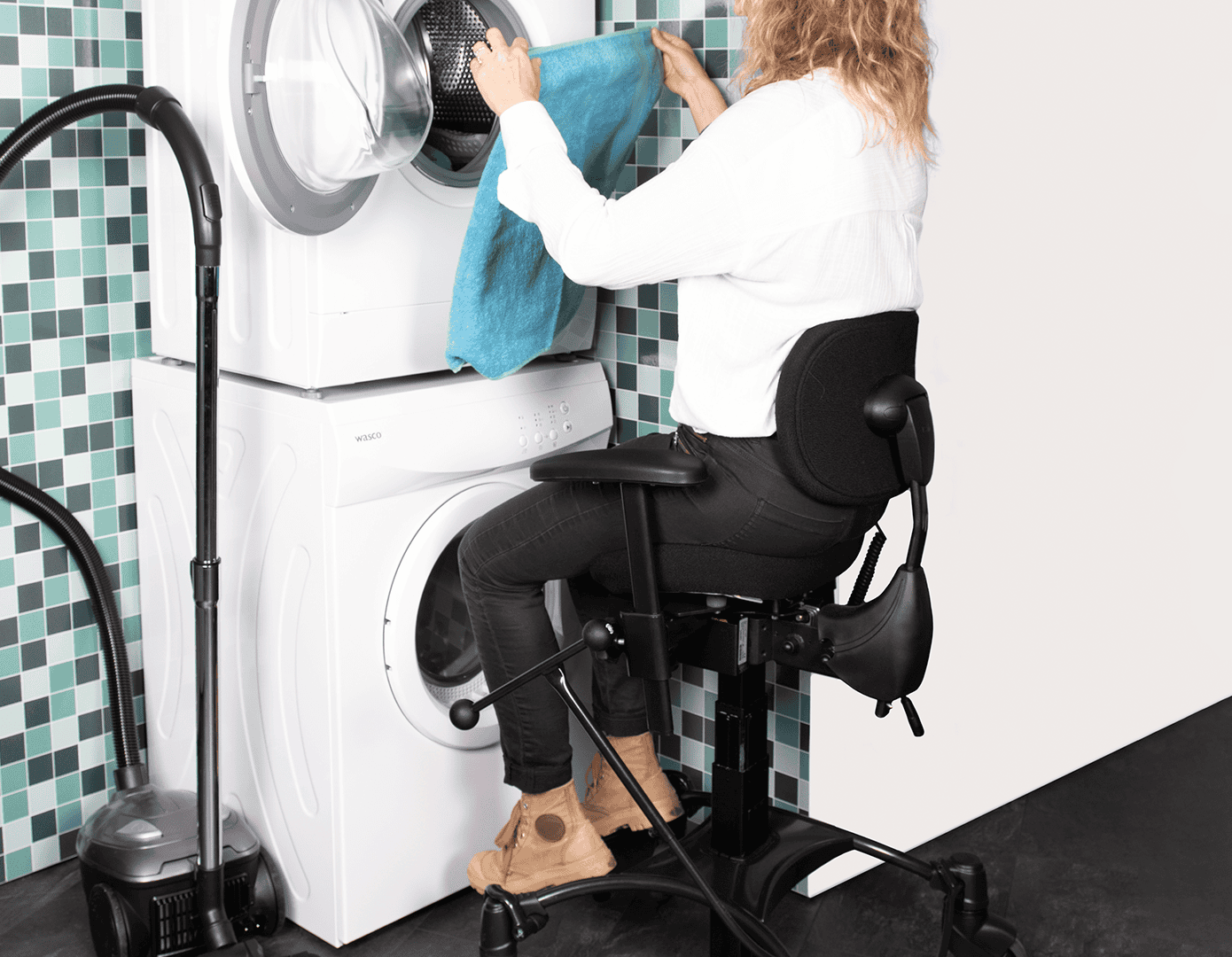
For many families, transitioning a loved one to a nursing home is often seen as necessary due to mobility challenges and the need for constant care. However, staying at home can be a viable option when using specialized equipment that promotes independence. One such solution is the VELA Independence Chair, a medically approved mobility chair designed for home use. These chairs ensure enhanced safety and provide individuals with the freedom of movement while seated. They assist in daily activities, such as cooking, dressing, or transferring, and help reduce the physical strain on informal caregivers.
For 2026, technology options for mobility support have grown to include AI-powered control systems for power wheelchairs, robotic add-ons for long-range outdoor navigation, and shared digital interfaces such as LUCI upgrades, which provide adaptive pressure monitoring and route optimization. CES 2026 showcased inclusive solutions such as the WheelMove add-on (giving manual wheelchairs up to 25 km range), XSTO X12 all-terrain power chairs for beach or trail use, and adaptive e-bikes for enhanced outdoor mobility. Advanced ergonomics, eco-friendly materials, and modular controls make these solutions highly personalized, improving comfort and community access for those with even complex mobility limitations. The Good Life SV (2025), PMC (2012), Cyces AgeTech Trends 2025, Ability MT Adaptive Mobility 2025, CES.tech: Accessibility Advancements
Supporting Aging in Place: A Practical Option
Investing in solutions like the VELA Independence Chair can significantly impact seniors’ ability to live comfortably at home. These mobility solutions for seniors living independently come equipped with features like a central brake for added safety, electric height adjustability, and stable wheels that facilitate movement while seated. Such features address common concerns about safety and ease for both the individual and caregivers.
Current trends and regulatory developments in 2026 emphasize universal, barrier-free design and sustainability in assistive devices, promoting eco-friendly materials and accessible ergonomic features for personalization. AI assistants, smart home voice integration, companion robots, and predictive digital health monitoring are now standard in supporting daily activities, social engagement, and routine preventive care. Regional mobility services like MaaS-Bridge, introduced at CES 2026, expand seamless, accessible transport pickups for all mobility levels. Local care teams are increasingly supported with wearables that monitor posture and strain, fostering caregiver wellness and effective support for independent living in St. Simons. Channel Point Village (2025), LetsEnvision.com (2025), HBRHC Senior Living Trends 2025, UF Aging blog – Assistive Tech 2025, CES.tech: Accessibility Advancements
Sources
- U.S. Census Bureau
- Visiting Angels Southeast Georgia
- Family Caregiver Alliance
- Home Instead
- A Place for Mom
- Genworth 2021 Cost of Care Survey
- VELA
- VELA: Mobility Solutions for Seniors Living Independently
- Channel Point Village (2025)
- Nabroward.com (2024)
- MyCareConcierge.org (2025)
- Think Beyond The Chair (2025)
- The Good Life SV (2025)
- PMC (2012)
- LetsEnvision.com (2025)
- EqualAccessibility.co (2025)
- Cyces AgeTech Trends 2025
- HBRHC Senior Living Trends 2025
- Age in Place Tech Market Overview 2025
- PMC Assistive Technologies in Neurology
- ATOB Journal 2025
- Ability MT Adaptive Mobility 2025
- GlobeNewswire US Assistive Technologies Market Report 2025
- UF Aging blog – Assistive Tech 2025
- Digital Learning Institute – AI in Assistive Technology (2025)
- LeadingAge: 3 Trends in Senior Care Technology
- AARP: Tech Use and Adoption Keeps Surging Among Older Adults
- CES.tech: Accessibility Advancements