

Updated February 2026: We have updated the article to reflect the latest advances in AI-powered mobility aids, predictive health technologies, smart home integration, and voice-activated systems. The article now covers regulatory and industry shifts for AI interoperability, increased adoption of technology among older adults for aging in place, and new innovations such as terrain-adaptive smart devices and digital caregiver relief.
Innovative healthcare solutions with Rocky Mountain Senior Care
In the picturesque landscape of Colorado, the senior population continues to grow, highlighting the necessity for progressive and accessible healthcare solutions. Rocky Mountain Senior Care (RMSC) stands out with its unique approach, providing in-home medical care that addresses the challenges and enhances the independence of elderly patients. This model not only supports the state’s demographic trends but also prioritizes comfort and functionality for the patients.
Comprehensive care model of RMSC
RMSC’s healthcare model is grounded in offering accessible medical services directly in the homes of seniors, avoiding the often difficult and taxing task of visiting traditional medical facilities. During a typical home visit, a skilled nurse practitioner might employ advanced diagnostic tools such as portable EKG machines and glucometers, offering immediate access to vital health information. For instance, Mr. Thompson, a 78-year-old with diabetes, benefits from these regular assessments, ensuring his health is constantly monitored without leaving the comfort of his home. RMSC uses electronic health records to accurately track patient data and employs telemedicine for follow-up consultations, enhancing the efficiency of continuous care.
By 2026, senior care has expanded to integrate advanced digital innovations alongside traditional in-home visits. RMSC and peer providers are now leveraging AI-powered assistive technologies, such as smart wheelchairs and walkers equipped with fall detection sensors, GPS, and automatic alert systems. These technologies actively monitor for health declines, supporting proactive interventions. AI exoskeletons and robotic gait trainers are increasingly accessible, providing mobility support tailored to individual needs. Voice-activated systems empower seniors with dexterity limitations to control beds, chairs, and daily environments, as well as receive medication reminders. Smart home sensors, wearable monitors, and predictive wellness platforms now feed real-time data directly to caregivers and clinicians, supporting both safety and better clinical decision-making. These advances foster independence and improve quality of care [1] [2] [3] [5] [6] [8].
Real-world scenarios and family impact
The personalized stories of RMSC’s patients further illustrate the impact of their services. Take Mrs. Davis, for example, whose regular check-ups help manage her chronic conditions, preventing crises through early detection and intervention strategies. Additionally, families, like the Johnsons, face transportation challenges but benefit significantly from RMSC’s convenient healthcare delivery model. Their experience underscores the need for infrastructural improvements to enhance care accessibility and highlights the real need for such innovative care solutions.
Today’s digital tools have transformed daily life for many seniors and their families. The latest wearables and smart mobility aids can detect falls, track activity, and automatically notify caregivers and emergency contacts of concerns. With voice-activated controls, seniors with limited dexterity can manage bed or wheelchair positions, adjust environmental controls, and communicate seamlessly with healthcare professionals. Non-intrusive monitoring and robotic companions offer both practical support and social engagement, helping to reduce loneliness and relieve caregiver workload. Notably, recent surveys from AARP show a significant increase in older adults adopting these technologies to age in place, supporting both wellbeing and family peace of mind [6] [7] [8] [13].
Balancing benefits with challenges
While RMSC provides invaluable services, it is necessary to continue addressing challenges such as workforce shortages that may affect the timeliness or consistency of care. According to Medicare’s Nursing Home Compare tool, staff levels and resources can remain limited in elder care settings. Increasingly, automation and predictive technologies are supporting workflows for clinicians and family caregivers alike, allowing them to better anticipate medical or mobility needs and easing capacity demands. These advances combine with traditional care models to ensure seniors receive reliable, high-quality attention.
From a policy and regulatory perspective, there is a strong shift in 2026 toward AI interoperability and secure data integration with healthcare portals, as well as standards promoting inclusivity through user-friendly, co-designed technology. System enhancements now focus on integrating AI-powered rehab devices, smart home monitoring, and connected remote platforms within a privacy-respecting, coordinated care framework. CES 2026 and other summits have also demonstrated new devices such as smart toilet seats for early health detection and robotic companions to address social isolation—improving both medical and emotional wellbeing [4] [5] [6].
Supporting aging in place: a practical option
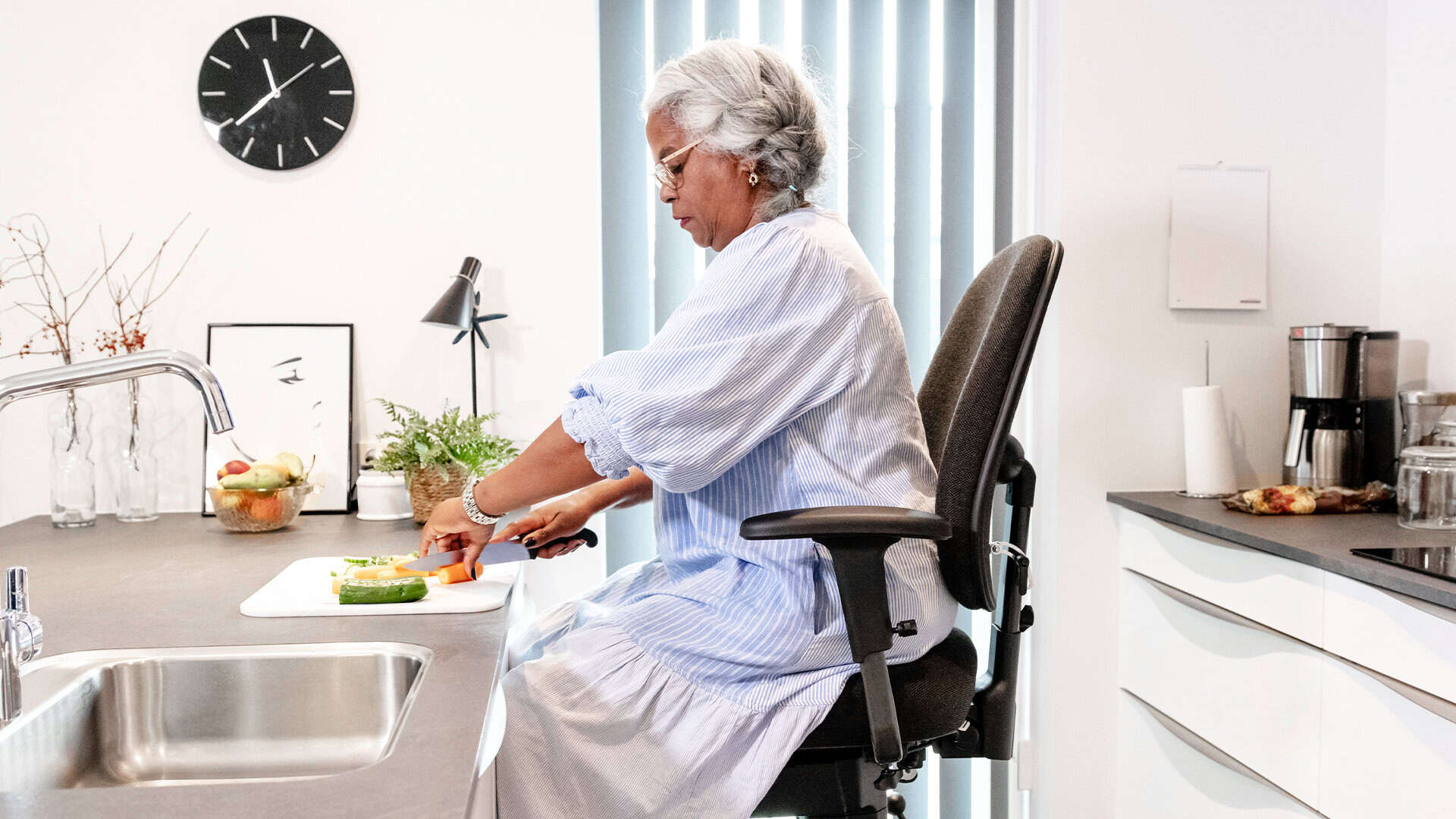
The concept of aging in place is rapidly evolving as new technologies empower more seniors to stay independent at home. Mobility aids like the VELA Independence Chair remain central, with thoughtful ergonomic design—such as a central brake for security and electric height adjustability—that continues to enhance safety and daily self-reliance. New all-terrain and terrain-adaptive wheelchairs and smart walkers have joined the landscape in 2026, specifically supporting seniors in rural or Rocky Mountain regions by addressing mobility needs across varied environments. These innovations help reduce fall risk, conserve user energy, and make day-to-day home life and outdoor participation safer and more accessible [1] [8].
Beyond mobility, current rehabilitation tools and home automation include voice-activated apps, brain training games, digital wellness plans supported by wearables, and AI-based routines that support both cognitive and physical independence. These solutions are increasingly interoperable with Medicaid and other health service providers, streamlining care for both urban and rural residents. Robotically enhanced mobility aids, personalized 3D printed devices, and AI-guided rehab programs further expand the support network, actively preventing health declines and supporting caregivers through automated alerts and monitoring [3] [1] [13] [6].
While VELA Chairs are not a standalone solution, their thoughtful design addresses many challenges faced by seniors, supporting a dignified and safe lifestyle. Embracing solutions like Mobility Chairs for Seniors and Senior Chairs for Independent Living can effectively encourage a comfortable and independent living environment. Through these combined efforts, seniors are empowered to lead a dignified and restful life in their own homes.