

Updated February 2026: We have updated the article with the latest advancements in assistive technologies and trends for nursing homes, reflecting widespread integration of AI-powered monitoring, smart mobility aids, robotics, and emerging tech-enabled rehabilitation at Stoddard Baptist. The update emphasizes predictive monitoring for fall prevention, wearables for remote safety, and the shift toward personalized, tech-focused environments in line with current best practices in the skilled nursing sector.
Updated October 2025: We have updated the article with the latest advancements in assistive technologies for nursing homes, including robotics, AI-powered devices, smart beds, integrated monitoring systems, and digital support for cognitive impairments. The update also covers new best practices in ergonomic design, ethical considerations, and regulatory changes in the implementation of smart assistive devices for enhanced resident care and independence.
Enhanced Overview of Stoddard Baptist Nursing Home
As the longest-standing Black-owned nursing home in the United States, Stoddard Baptist Nursing Home holds a distinctive place in history and community care. Located at 1818 Newton St. NW, Washington, DC 20010, this facility has been nurturing its residents since 1890. With a capacity of 164 beds and an average daily residency of around 87, Stoddard exemplifies comprehensive and compassionate care.
Stoddard’s mission centers on delivering quality care, emphasizing its enduring legacy in promoting residents’ well-being. Its predominantly Black-owned and operated status since inception adds significant importance, particularly in Mount Pleasant—a vibrant, culturally diverse area in Washington, DC. The demographic served by Stoddard reflects the neighborhood’s diversity and underscores the facility’s commitment to inclusive and personalized care.
History and Mission: A Legacy of Service
Founded on May 8, 1890, Stoddard Baptist Nursing Home has continually demonstrated a dedication to service, particularly within the African American community. This legacy is intertwined with a mission to provide exceptional healthcare services while fostering an environment of respect and dignity for all residents. The facility’s historical significance is strengthened by its role as a pillar of the Mount Pleasant neighborhood for over a century.
Services, Amenities, and Care Quality
Stoddard Baptist offers a comprehensive range of services tailored to meet the specific needs of its residents, including skilled nursing, dementia care, hospice, and rehabilitation programs. The facility distinguishes itself with specialized services such as physical, occupational, and speech therapy, which ensure a holistic approach to resident care. According to ProPublica’s Nursing Home Inspect, the home reports nurse hours of 2.45 per resident per day, a figure that falls below the state average; however, this is counterbalanced by their dedication to thorough care planning and quality interaction.
Understanding the importance of staff stability and expertise, Stoddard focuses on maintaining low turnover rates to enhance residents’ experiences. Quality ratings from sources like the DC Health Department highlight its strengths while recognizing areas for improvement, particularly in adherence to care standards and preventative measures.
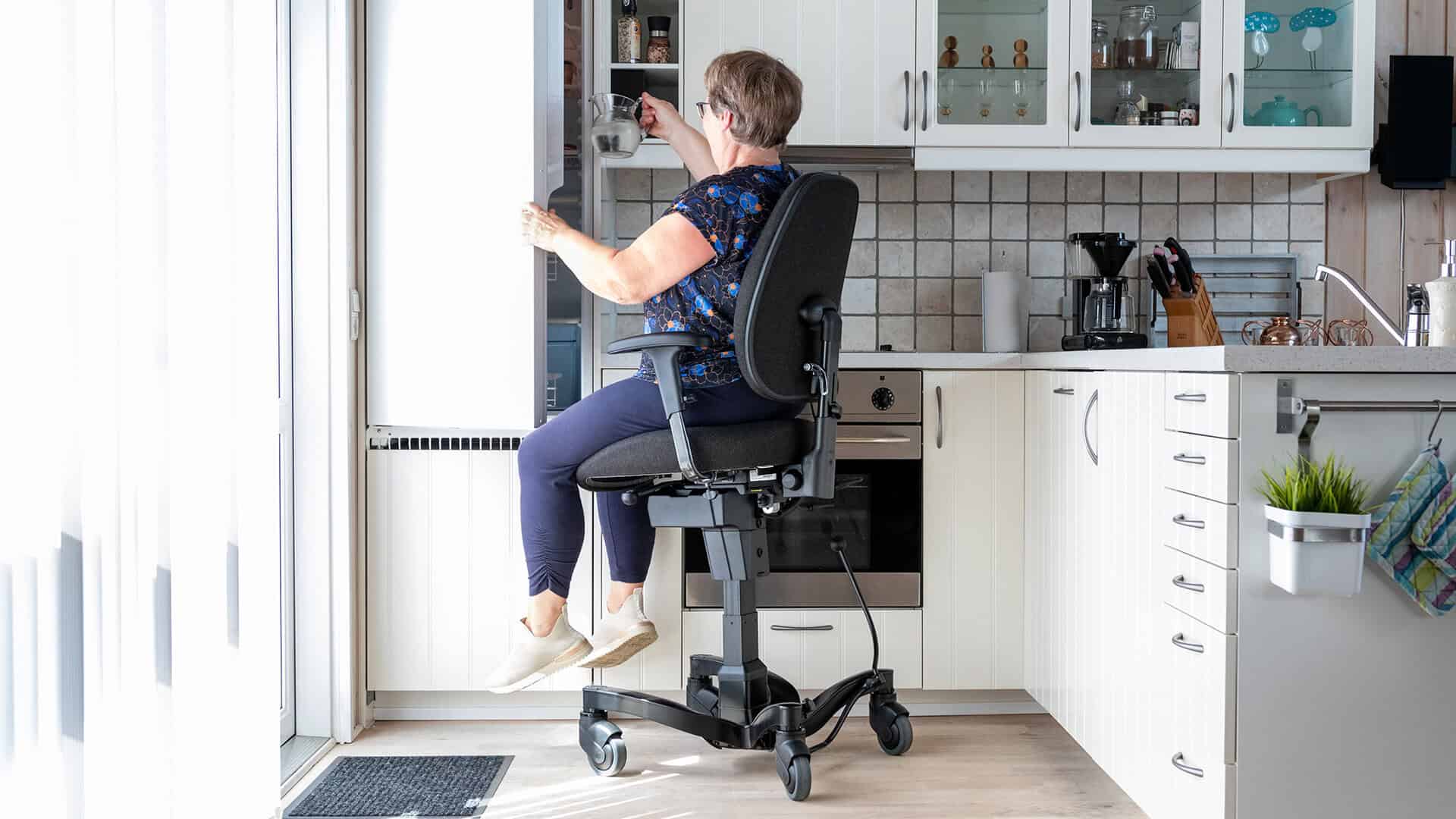
A critical challenge in nursing home care is maintaining resident independence while balancing safety and quality. Mobility is often compromised as residents require increased assistance, putting additional pressure on caregivers and staff. To address this, introducing solutions like the VELA chair can support older adults’ autonomy. VELA, a medically approved mobility chair designed for home use, enhances safety and freedom of movement while seated. It supports daily activities such as cooking, dressing, and transferring, effectively reducing the load on informal caregivers and contributing to a safer, more engaging living environment.
Recent trends in skilled nursing emphasize technology as a foundational part of enhanced care quality and safety. Stoddard Baptist is actively integrating advanced AI-powered monitoring, predictive analytics for fall and ulcer risk, and smart assistive devices to align with the sector’s rapid advancement.[1] Innovations now mainstream in 2026 include robotic exoskeletons, AI-enhanced rehabilitation aids, smart wheelchairs with auto-adjust features, and robotic helpers for daily support. These technologies enable predictive monitoring of vital signs, behavioral analytics, and automated alerts, reducing hospitalizations and enhancing individualized care.[2]
Smart beds with integrated IoT sensors monitor movement in real-time, predict and help prevent falls, and autonomously reposition residents to minimize bedsores, alerting staff if intervention is needed. Advanced wearables support remote monitoring within the facility, providing continuous data streams on residents’ safety and health.[3] Together with connected medication delivery systems and VR/AR tools for rehabilitation, these systems enable better outcomes and reduce the burden on staff by automating routine checks and empowering residents.
In addition, integrated electronic health records (EHRs) now interface directly with assistive devices, automating data capture and reducing documentation errors. This integration ensures that clinical decision-making is timely and coordinated, enhancing overall care quality.[2] For those living with cognitive impairments, particularly dementia, AI-powered digital tools such as smart home systems, care robots, and adapted digital platforms promote memory support, social engagement, and help sustain independent living while reducing stress for informal caregivers.[7]
Contemporary product development in this field now emphasizes ergonomic and personalized design. Tailored mobility and smart home solutions adapt to individual abilities, improving task performance and psychosocial well-being for nursing home residents.[9] Consumer-driven expectations are accelerating the shift toward more upscale, personalized, and tech-enabled living spaces that reflect both hospitality and advanced care.[4]
Clinical regulations continue to evolve, placing greater emphasis on digital literacy for older adults, privacy and ethical use of AI systems, and equitable access to new technologies. Economic investment and broader institutional adoption demonstrate growing confidence in these tools.[5]
Community Impact and Recognition
Stoddard Baptist’s influence reaches beyond its internal operations to significantly impact the surrounding community. Its longstanding presence in the Mount Pleasant area has cultivated a strong relationship with local organizations, contributing positively to community welfare. Recognition has come through various awards acknowledging Stoddard’s dedication to social responsibility and exemplary care.
Feedback from residents and families emphasizes the nurturing environment at Stoddard Baptist, providing reassurance and peace of mind. According to Black News & Views, families frequently commend the nursing home’s cultural sensitivity and personalized approach to care.
How Stoddard Compares to Other DC Nursing Homes
In comparison to other top-rated facilities in Washington, DC, Stoddard Baptist holds a competitive position thanks to its unique Black ownership and comprehensive care offerings. While other homes might boast higher staff ratios or newer amenities, Stoddard’s steadfast commitment to its historical vision and community-focused care remains unparalleled.
One of Stoddard’s competitive advantages is its acceptance of both Medicare and Medicaid, making it accessible to a broad spectrum of residents. With an estimated occupancy of approximately 56.15%, Stoddard maintains a selective admissions policy aimed at preserving quality care and manageable resident numbers. According to Senior Housing Net, Stoddard’s financial considerations and community credentials offer a compelling case for those seeking quality healthcare in a nursing home setting.
Ensuring Quality Care and Independence: Final Thoughts on Stoddard Baptist Nursing Home
Reflecting on Stoddard Baptist Nursing Home illustrates the profound value this facility contributes through its historical significance and exemplary care standards. By balancing a tradition-rich environment with modern care solutions, such as VELA chairs for enhanced resident mobility, Stoddard successfully integrates quality care with independence.
Thanks to the new generation of assistive and smart technologies—robotic rehabilitation aids, AI-driven monitors, smart beds, digital engagement platforms, and AI-powered monitoring—Stoddard and similar facilities can now elevate the autonomy, safety, and engagement of residents even further.[1][3][1][2] The integration of these technologies alongside strong care traditions equips residents and caregivers with new resources for improved quality of life and personalized health outcomes.
Selecting the right care environment involves careful consideration of both structured support and innovative aids. Stoddard Baptist stands as a prime example of where these elements converge, affording families peace of mind and residents an enriched life. Choosing Stoddard means embracing a legacy of care deeply rooted in history while evolving with contemporary needs.
How Mobility Solutions Like VELA Make a Difference
Staying independent at home poses challenges, which can be effectively managed using solutions like the VELA chair. Providing features such as a central brake for safety and electric height adjustability, these chairs are designed to support daily activities easily and safely. The ergonomic design allows for smooth movement while seated, which is crucial for tasks like cooking or dressing. A VELA chair not only increases safety and reduces the risk of falls but also helps conserve the user’s energy, thus enhancing their overall quality of life. This mobility solution can delay the transition to a nursing home, allowing older adults to enjoy dignity, freedom, and a higher degree of independence for longer periods. While VELA is one of the several options available, its proven benefits make it a practical choice for aging in place.
References
- Skilled Nursing News: Top Trends That Will Shape the Skilled Nursing Sector in 2026 (2026).
- AllSeniors.org: How AI and Tech Innovations Are Changing Senior Home Health Care in 2026 (2026).
- iHealthcareAnalyst: Geriatric Assistive Devices Market: Trends, Technologies & Outlook (2026).
- American Association of Nurse Practitioners: Top Five Health Care Trends for 2026: How New Technology Is Transforming Patient Care (2026).
- McKnight’s Home Care: Assistive Aging Technology Trends to Watch in 2026 (2026).
- Attentive Home Care: The Future of Skilled Nursing: Technology Transforming Care (2025).
- Western Governors University Blog: 6 Technologies Transforming Patient Care (2025).
- Peters Creek Senior Care: Assistive Technologies in Senior Care (2025).
- National Center for Biotechnology Information (NCBI): Integrating AI and Assistive Technologies in Healthcare (2024/2025).
- Digit Health Journal: Digital Assistive Technologies for Community-Dwelling People with Dementia (2025).
- American Journal of Occupational Therapy: Providing Tailored Smart Home Solutions as Assistive Technology (2025).