

Updated February 2026: We have updated the article to reflect accelerated franchise growth, new leaders like SYNERGY HomeCare, advanced AI-powered assistive technologies (including smart wheelchairs and attachments), rising consumer preference for home-based care, regulatory updates (Medicaid 80/20 rule), and expanded focus on tech-driven mobility, dementia care, and workforce strategies in senior home care.
Navigating the Senior Home Care Franchise Landscape
As the population ages, the demand for senior home care services is surging. By 2040, the U.S. expects over 22% of its population to be aged 65 or older, with nearly 70% of these individuals requiring long-term care at some point. According to the CDC and NIH, it’s crucial for families and entrepreneurs to understand the landscape of top senior home care franchises to meet both care requirements and business aspirations. A 2024 study published in the Journal of the American Geriatrics Society (JAGS) states, “Individualized home care is crucial in reducing hospital readmissions and improving senior quality of life.”
Overview: The Booming U.S. Senior Home Care Franchise Market
With the rise in the elderly population, the senior home care franchise market is rapidly expanding. The growing need for non-medical home care services presents lucrative opportunities for franchise investment. Brands like Home Instead and SYNERGY HomeCare have broadened their reach, contributing to strong CAGR and total unit growth—there are now nearly 8,000 franchised units in the U.S. alone as of 2024. New franchise models, such as Briggs Home Care, and rapid multi-unit expansion strategies (with 73% of franchisees now owning multiple locations) are helping meet the rising demand for aging in place and individually tailored support [1] [3]. Recent trends highlight expanding integration of advanced assistive technologies—such as AI-driven smart devices, remote monitoring, and telehealth—specifically designed for seniors with mobility limitations and disabilities. Innovations like AI-powered wheelchairs, accessible mobility add-ons, and personalized navigation tools are becoming essential for modern home care franchise offerings [2] [4].
Top Senior Home Care Franchises in 2025: Comparative Insights
Exploring the top contenders, franchises like Senior Helpers, Right at Home, and Visiting Angels emerge as leaders, each boasting unique strengths. In recent years, SYNERGY HomeCare and Senior Care Authority have shown explosive growth, with SYNERGY HomeCare adding over 100 new units and Senior Care Authority achieving annual expansion rates up to 150-200%. New entrants such as Briggs Home Care reflect continued innovation and intensifying competition [3].
Senior Helpers stands out for its exceptional dementia care programs. In a case study presented by SharpSheets, their specialized care significantly enhanced the life quality of an elder with dementia, demonstrating the potential impact of targeted caregiving strategies. Resources such as Entrepreneur’s Franchise 500 provide further insight into these brands’ operational frameworks and accolades. Industry trends in 2026 reflect a growing preference for franchises offering comprehensive care approaches that integrate advanced assistive devices, holistic wellness, and technology-enhanced care models. User feedback now strongly favors programs that combine chronic disease and dementia management with remote supervision tools, AI-powered monitoring, wearables for fall detection, AI-powered medication reminders, and voice-activated emergency response systems [1] [6] [7].
Understanding Senior Demographics and In-Home Care Needs
Common conditions faced by seniors—including chronic illnesses, mobility impairments, and cognitive decline—necessitate a personalized approach. Personalized care programs facilitate independence and quality of life for seniors. Market data show that 67% of consumers now prefer home-based care since COVID-19, a preference that has driven franchises to invest in hospital-at-home models and technology-supported independence [3] [7]. Recent advances include integration of smart mobility tools, such as the LUCI add-on for wheelchair pressure monitoring, WheelMove attachments offering up to 25 km/charge, and XSTO X12 all-terrain power chairs supporting stair and slope navigation [2] [4]. By tailoring services with these options, franchises ensure not only clients’ safety but also their emotional and mental well-being. Industry-wide focus now centers on holistic wellness, dementia support, and advanced tech integration to optimize daily independence and rehabilitation [1] [1].
Cost Structures and What to Expect When Choosing Home Care
Cost considerations remain crucial when selecting a senior home care provider. Service pricing varies widely depending on care level. Non-medical home care usually ranges from $27 to $35 per hour, while live-in care can range between $240 and $350 per day. Monthly full-time assistance is often $5,000 to $9,000, as reported by the ComForCare Blog. Technology integration is streamlining operations and improving outcomes: franchises are adopting remote monitoring and AI-driven solutions, often improving efficiency and allowing more cost-effective, personalized care. Regulatory updates like the Medicaid 80/20 rule (requiring 80% of reimbursements go to direct caregiver pay) and value-based care models are shifting how franchises deliver and price services, supporting quality improvements and sustainable workforce engagement [1] [7].
Aiding Independence with the Right Mobility Tools
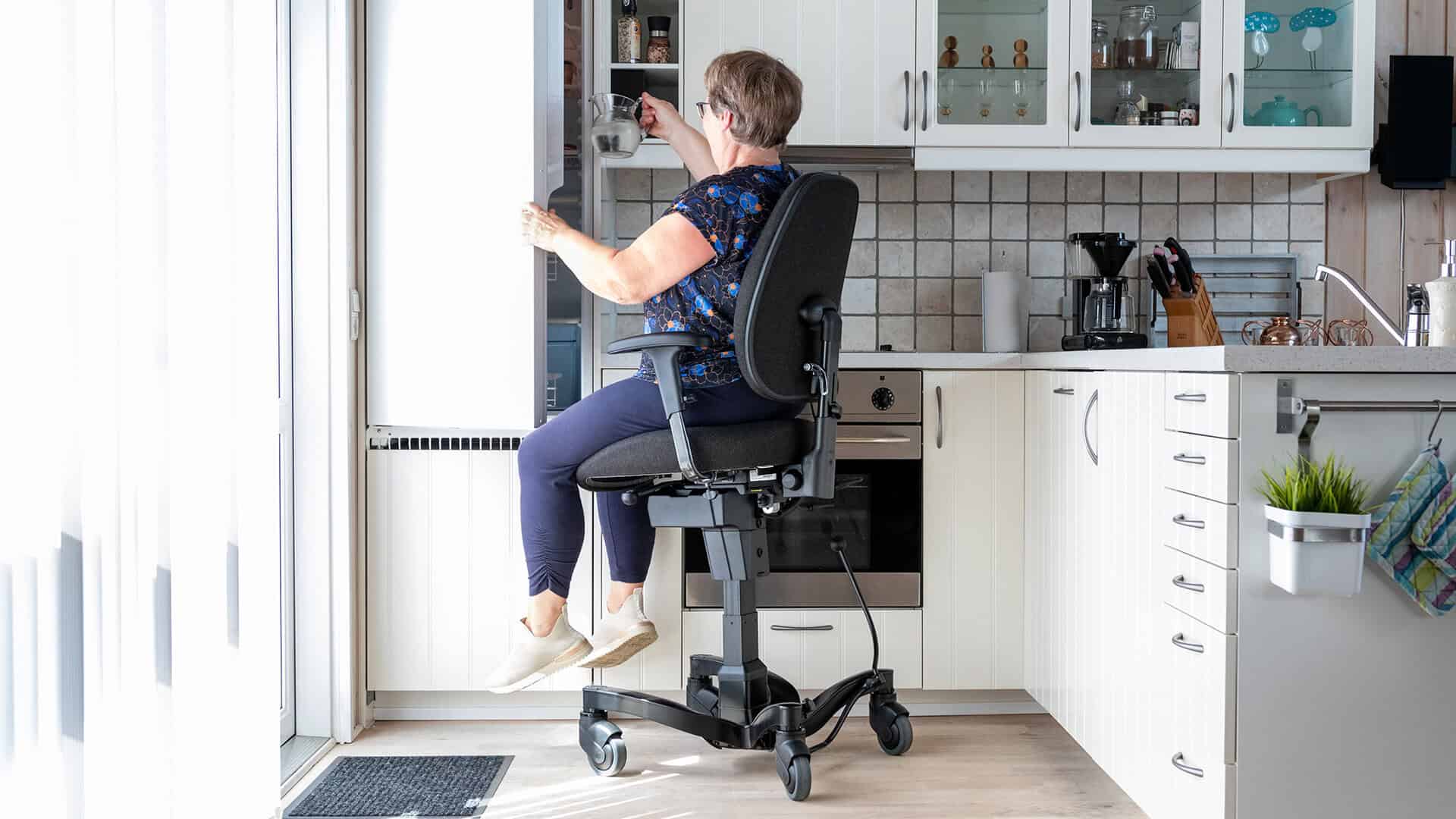
In the realm of senior care, avoiding the challenges experienced in nursing homes is often a key priority for families; this includes maintaining an elderly loved one’s independence in a familiar setting. Specialized equipment can play a pivotal role in achieving this aim. VELA chairs, for example, serve as a medically approved mobility option designed for home use. These chairs enhance safety, provide freedom of movement while seated, and support daily activities such as cooking, dressing, or transferring—all while reducing the caregiving burden on family members. Industry innovation now includes smart wheelchairs with AI features, new folding designs, and extended-range attachments, empowering franchisees to partner with technology providers for expanded service. Major franchises now offer or recommend AI-powered mobility aids, low-vision navigation glasses, and remote monitoring tools as part of standard care portfolios, supporting lifelong independence and enhanced daily living [2] [4].
Navigating Senior Home Care Franchise Choices with Confidence
Selecting the right senior home care franchise involves recognizing the power of personalized care and understanding the role that mobility aids play in enhancing life quality. Thorough research and insights from resources like the Franchise Business Review and NIH can guide informed decisions that align with both care needs and business goals.
The evolving landscape of senior care franchises presents dynamic opportunity. With holistic approaches to wellness, integration of advanced assistive technologies, and regulatory-driven models for quality assurance, both consumers and entrepreneurs can find pathways to success and satisfaction. Leaders in the field are prioritizing dementia specialists, remote monitoring, and continuous workforce development via AI-powered recruiting and training platforms. These best practices meet the growing demand for home care, address ongoing labor shortages, and support client and staff well-being [1] [3] [7].