

Updated February 2026: We have updated the article with the latest insights on AI integration, smart sensors, predictive monitoring, eco-friendly durable medical equipment, and trends in telehealth and robotics that are shaping senior home care technology and empowering independence for older adults.
Updated October 2025: We have updated the article with recent insights on smart home technologies, wearable health trackers, AI-powered monitoring, advanced telehealth services, and holistic wellness programs now supporting seniors’ independence and safety in home care settings.
Empowering Belle Isle Seniors with Home Care Solutions
As the baby boomer generation ages, the demand for in-home care solutions is surging, particularly in areas like Belle Isle, FL. This community boasts a significant senior population, with 23.03% of its residents being over the age of 65. Such statistics underscore the importance of developing tailored senior home care services to meet the varied needs of these aging individuals. According to the Florida Department of Elder Affairs, the senior population is expected to account for 56.9% of Florida’s projected population growth by 2030, highlighting the imperative for accessible and effective home care solutions.
Understanding the Senior Demographic in Belle Isle
Belle Isle presents a unique profile: the median age is 44.4 years, with a high homeownership rate of 92.5%. This suggests that many seniors prefer in-home care to facility-based options, allowing them to maintain the comfort and familiarity of their homes. Common health conditions impacting the local senior community include hypertension and neurodegenerative disorders. According to the World Population Review, Florida trends suggest a high prevalence of chronic conditions such as hypertension, diabetes, and neurodegenerative disorders. For instance, a Belle Isle resident managing diabetes benefits significantly from services such as medication management and dietary support provided by home care professionals. Such services ensure not only medical stability but also contribute to the overall quality of life for seniors.
Exploring Home Care Services in Belle Isle
Belle Isle offers a range of in-home care services, from personal care assistance to specialized support for dementia patients. Top-rated providers such as Right at Home Orlando and Home Instead Orlando stand out for their comprehensive services and positive client reviews. Right at Home Orlando offers personal care, medication reminders, and Alzheimer’s support with costs between $26–$30 per hour. Home Instead Orlando provides companionship and respite care tailored to individual needs at $25–$33 per hour. Consider the Roberts family, whose matriarch, affected by Alzheimer’s, has found security and comfort through personalized support services, ensuring safety and dignity within her home setting.
Financial Considerations for Home Care
The financial aspect of home care can be a significant concern for many families. In Belle Isle, the average cost for home care services ranges from $24 to $33 per hour. Financial assistance is available through various channels such as Medicare and state-specific programs. According to Medicare.gov, some services must be doctor-prescribed and are partially covered by Medicare. For instance, Mr. Johnston, a local senior and veteran, managed to significantly reduce his out-of-pocket expenses by utilizing both Medicare and Veterans Affairs benefits, ensuring continued access to essential care services. These resources make home care more accessible but require thorough understanding and planning to leverage effectively.
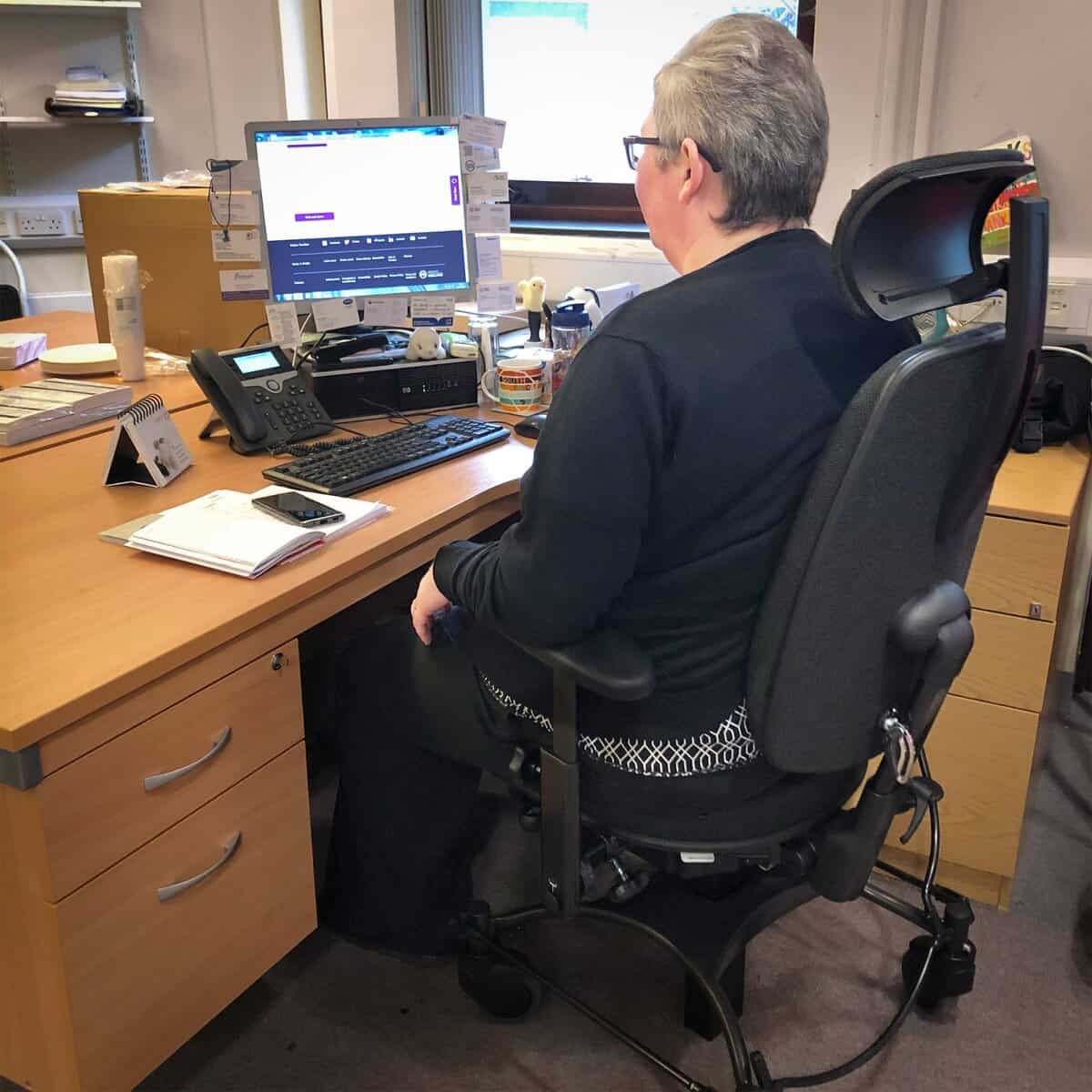
Seniors often prefer the option to stay in their own homes, where they feel most comfortable and in control. In recent discussions about overcoming the challenges of nursing home environments, mobility and ease of movement at home have become crucial factors. This is where innovative solutions like the VELA Independence Chair come into play. Designed specifically for in-home use, this medically approved mobility chair enhances safety and freedom of movement, helping seniors to remain independent. It supports daily activities such as cooking, dressing, or transferring, and reduces the load on informal caregivers. To discover more about how these chairs contribute to senior safety and independence, consider visiting Enhancing Senior Mobility at Home.
Supporting Aging in Place: A Practical Option
How Mobility Solutions Like VELA Make a Difference
Ensuring seniors remain independent longer in their homes involves addressing mobility and safety issues effectively. The VELA Independence Chair offers solutions with features designed to tackle these challenges. Equipped with a central brake for added safety, electric height adjustability, and easy maneuverability, these chairs allow seniors to perform daily tasks like cooking and dressing with minimal assistance. By mitigating the risk of falls and reducing the energy needed for activity, VELA chairs can delay the need for more intensive care solutions, such as nursing home placement. The difference between life with a VELA Chair and without one is palpable—offering dignity, independence, and energy conservation for seniors who prioritize staying at home. Although VELA is only one option among numerous mobility aids, it stands out as a practical and proven choice for those seeking to enhance senior care Tools for Independent Living.
Innovations in Senior Home Care Technology
Senior home care technology has advanced to focus on proactive, personalized support and independence for older adults. Recent years have seen the adoption of AI-integrated mobility aids, such as smart walkers with gait analysis, and canes equipped with predictive monitoring to help reduce fall risks (AANP, 2026). Automated medication dispensers, adaptive bathroom safety equipment with voice controls, and wearable health monitors are now common elements for supporting seniors at home (AARP, 2026).
Wearable devices provide continuous monitoring of vital signs and alert caregivers immediately in case of a fall or health concern. AI-powered platforms analyze movement patterns and health data, helping to personalize care plans and intervene early when risks are identified. Smart home automation now extends to voice-activated and adaptive controls, enabling seniors to adjust lighting, climate, and security with ease, thereby increasing independence and safety. In addition, in-home ecosystems now support remote monitoring and coordination with healthcare professionals via telehealth, making chronic condition management and rehabilitation more accessible (Medtronic, 2026).
Recent trends also include the adoption of robotic companions to reduce loneliness and bolster mental health, as well as mobile applications that help caregivers coordinate activities and monitor patient well-being remotely. There is a surge in seniors’ interest in new technologies, with AI tool usage among adults 50+ doubling to 30% by 2025, and a growing preference for eco-friendly, recyclable durable medical equipment, such as grab bars and mobility aids (LeadingAge, 2026).
Furthermore, broader insurance coverage now includes smart home care innovations, making advanced solutions more accessible to families. The acceptance and widespread adoption of telehealth are making it easier for seniors to remain safe and healthy at home. Inclusive product design—considering ergonomics and cognitive needs—continues to play a vital role, along with holistic digital wellness programs that address fitness, nutrition, and cognitive activities (AANP, 2026; AARP, 2026; LeadingAge, 2026; Medtronic, 2026; Heisinger Bluffs, 2025; Align Senior Care, 2025; GlobeNewswire, Sept 2025; ButterflyMX, 2025; CaringData.com, 2025; RightAtHome.net, 2025; StayAtHomeHC.com, 2025).