

Updated February 2026: We have updated the article to include recent innovations in assistive technology, such as robotic mobility aids, smart wheelchair systems, AI-driven accessibility solutions, and current trends in housing arrangements, relevant to empowering independence in young adults.
Empowering Independence: Independent Living Homes for Young Adults
Independent living homes for young adults serve as crucial stepping stones toward self-sufficiency, marking the transition to adulthood. These programs are designed to foster essential life skills development, offer structured support, and provide adaptable environments for young adults aiming to manage life’s responsibilities independently. According to the National Association of Home Builders, the proportion of young adults residing with parents decreased to 19.1% by 2022, indicating a trend towards independent living arrangements. Recent developments also highlight an increase in intergenerational and multigenerational living as cost-effective housing solutions, with new communities emerging in several states (NY Times).
Exploring independent living programs for young adults
Independent living programs offer structured environments tailored to guide young adults through the initial phases of living independently. These initiatives range from supervised settings, which offer consistent guidance, to unsupervised environments that promote autonomy. As highlighted by Lutheran Social Services, programs target individuals aged 16-21, focusing on developing essential skills for a smoother transition into adulthood. These programs are particularly vital for young adults transitioning from foster care or seeking affordable housing solutions.
Diverse independent living arrangements and their benefits
Several types of living arrangements cater to diverse needs, including community living homes and transitional housing programs. Community living homes offer a family-style environment, ensuring personalized care in non-institutional settings as defined by the South Dakota Department of Health. College dormitories and campus housing serve as effective transitional options, providing young adults with a structured community while pursuing educational goals. Newer models also emphasize intergenerational communities, supporting diverse age groups and fostering shared support systems (NY Times).
Essential skills development in independent living programs
Independent living services emphasize the importance of fiscal responsibility, educational support, and career readiness. They also focus on developing interpersonal skills crucial for long-term success. According to the Chapin Hall Research Center, fostering skills in financial literacy and budgeting significantly enhances the prospects of young adults adjusting smoothly to independent living. Building a supportive network of relationships provides emotional and social guidance for individuals navigating this critical life stage.
Navigating funding and eligibility for independent living opportunities
Securing a spot in an independent living program often involves navigating complex funding and eligibility requirements. Government-funded initiatives cater to foster youth, while non-profit organizations offer scholarships and grants to eligible participants. The Florida Department of Children and Families provides insights into overcoming housing barriers and accessing necessary financial support, highlighting the need for patience due to potential application waitlists.
Creating adaptive living spaces
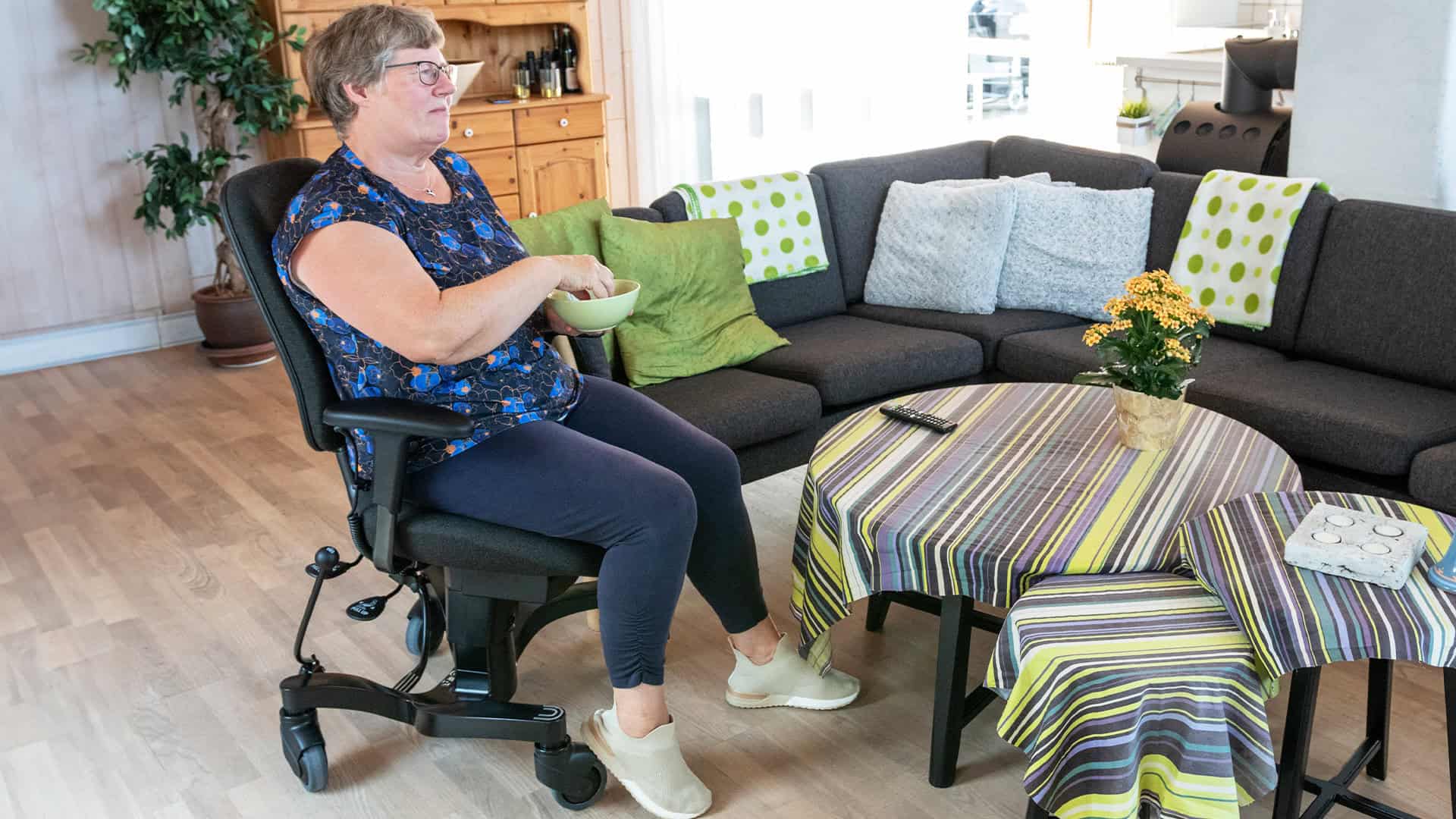
Adaptive living spaces are essential in independent living homes, especially for young adults with disabilities who require accessible environments. While some individuals might face challenges similar to those in nursing homes, many seek solutions that allow them to remain independent in their own homes. Recent trends in assistive technology show significant advancements, including the development of robotic mobility aids (such as ReviMo’s Niko robotic lift and XSTO’s all-terrain, stair-climbing devices), and smart wheelchair systems with adaptive sensors for safety and health monitoring (MobilityWorks). AI-driven accessibility platforms now support users with visual and mobility impairments through real-time feedback and better connectivity, as seen with CES 2026 Innovation Award winners like MaaS-Bridge. Additionally, devices like iSee Assistive Glasses and WheelMove motorized wheelchair attachments further increase independence for individuals navigating daily life (WHO; PubMed).
Adaptive furniture like VELA chairs offers a compelling solution, providing medically approved mobility solutions for home independence. These chairs enhance safety with features such as a central brake, offer freedom of movement while seated due to their ergonomic design, and support daily activities such as cooking or dressing. By reducing the burden on informal caregivers, VELA chairs empower young adults to maintain autonomy effectively.
Empowering independence: the role of adaptive living solutions for young adults
Independent living homes are crucial in empowering young adults by providing vital support and fostering self-sufficiency. By offering diverse housing arrangements, robust skill development programs, and accessible environments, these homes facilitate a nurturing path toward full independence. The integration of newer assistive technologies—including robotic mobility devices, smart wheelchair systems, and AI-powered accessibility tools—further enables autonomy and safety for young adults with disabilities (NIDILRR; WHO Global Reports; MobilityWorks). Recommendations from entities like Chapin Hall Research Center and the Florida Department of Children and Families emphasize comprehensive support and the integration of adaptive solutions, significantly improving outcomes for young adults embarking on autonomous living.
By strategically aligning resources and personalized support systems, independent living homes play an essential role in guiding young adults toward becoming confident, self-reliant individuals. These programs address immediate housing needs and lay the groundwork for future successes in personal and professional endeavors, ensuring young adults are well-equipped to meet life’s challenges head-on.