

Updated February 2026: We have updated the article with the latest developments in assistive technology for seniors, including AI- and IoT-integrated smart walkers and wheelchairs, voice-controlled mobility aids, wearable robotic exoskeletons, and AR/VR-based therapy. The article now reflects rising adoption of AI-enhanced monitoring, advanced telehealth solutions, and predictive, personalized care strategies supporting aging in place.
Updated October 2025: We have updated the article with the latest advancements in senior care technology, including AI-powered fall detection, smart home automation, sensor-based monitoring, enhanced wearable and remote patient monitoring devices, and innovative mobility aids. New insights on assistive technology adoption trends, the integration of telehealth, and the importance of ergonomic design in mobility solutions have also been added.
Addressing the Need for Personalized Senior Care in Seattle
In the vibrant heart of Seattle, Husky Senior Care shines as a beacon of exceptional, personalized care for seniors. Renowned for its boutique approach, this in-home care provider adeptly caters to the growing demand for senior services in a city with a rapidly aging population. According to the Centers for Disease Control and Prevention, 16% of the U.S. population was 65 or older in 2019, with projections indicating this will increase to 21% by 2030. These statistics underscore the critical need for services tailored to elder care requirements.
What Makes Husky Senior Care Unique Among Seattle’s Home Care Providers?
Husky Senior Care sets itself apart with a distinguished reputation for providing highly personalized services and adaptable care plans that cater to a wide range of client needs. Central to its offerings is the “Household Ecosystem” approach, which seamlessly connects in-home care with comprehensive residential options. This ensures continuity and peace of mind, allowing clients to effortlessly transition between levels of care when needed.
As illustrated by a heartfelt client review, “The caregivers were attentive and developed a real relationship with my mother, making her feel heard and supported” (Husky Senior Care Blog). Such testimonials highlight the significance of Husky’s caregivers in forging meaningful bonds with clients. These professionals offer more than medical or personal assistance, providing companionship and emotional support as well.
Understanding the Elderly Population Served by Husky Senior Care
Husky Senior Care primarily serves adults aged 75 and older, a demographic commonly facing challenges like dementia, Parkinson’s, ALS, and other chronic illnesses. Generally, the clients belong to higher-income brackets, seeking premium services for themselves or their loved ones. Consider a senior with Parkinson’s, whose quality of life is maintained through Husky’s tailored care, preserving their dignity and enabling them to live independently with necessary support.
The client demographic at Husky aligns with insights from the National Institute on Aging, which emphasizes the importance of personalized in-home care for preserving seniors’ independence and mental health.
Comprehensive In-Home and Full-Care Household Services
Husky Senior Care offers a wide range of services, from personal and health care to 24-hour live-in support, ensuring seniors receive consistent and reliable care in the comfort of their homes (24-Hour Live-In Care Services). The continuous caregiver-client relationship significantly reduces hospitalization rates, with studies indicating that clients with regular caregivers experienced 35% fewer hospital stays (The Gerontologist).
For instance, consider a client who initially received in-home care following a stroke and later transitioned to full-care household services. The ability to adapt services to evolving client needs exemplifies Husky’s commitment to comprehensive care.
Bridging the Gap Between Home Care and Independence Solutions
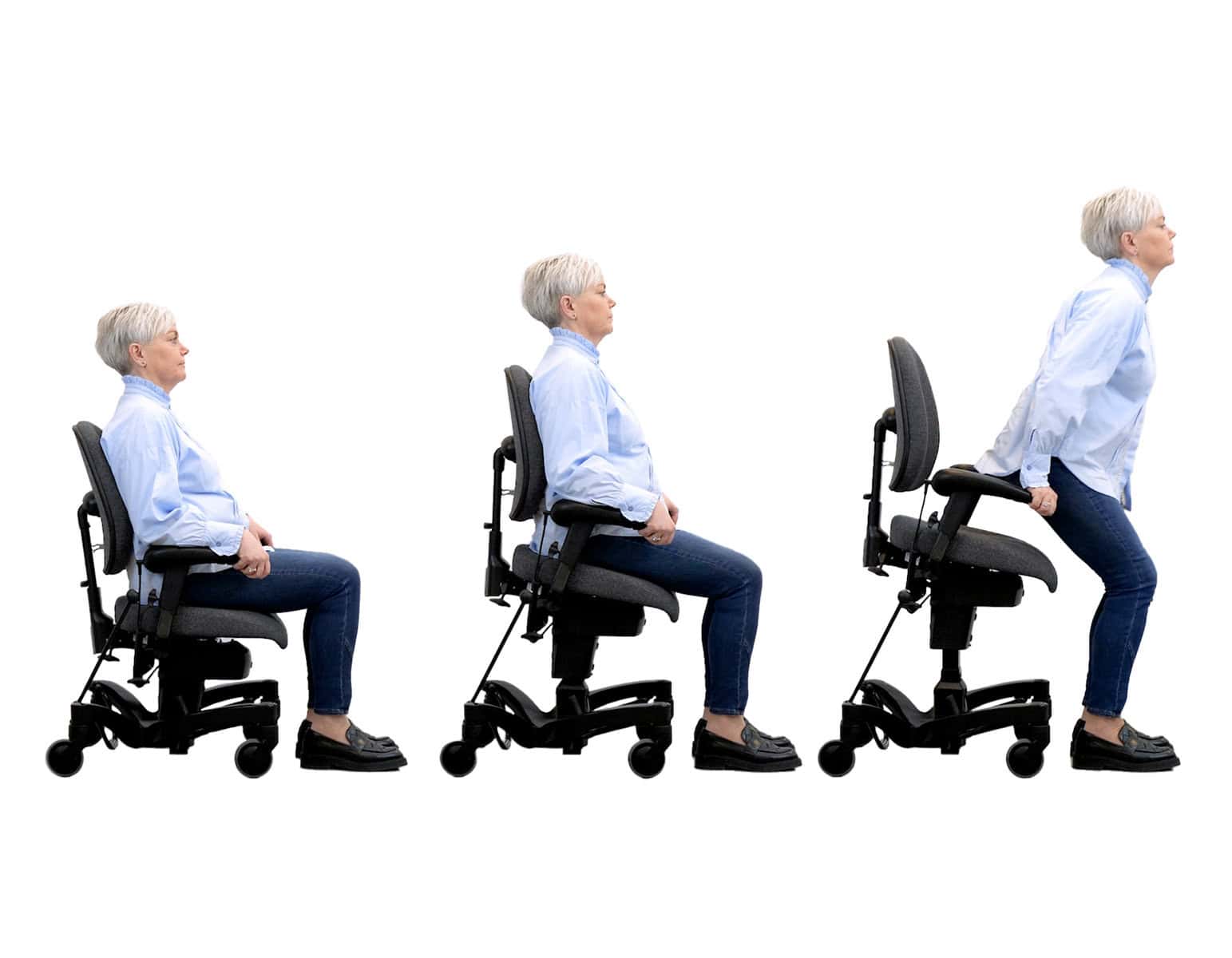
For seniors and families exploring alternatives to traditional nursing homes, the challenge often lies in balancing safety with independence. As these individuals seek to maintain their freedom within the familiar confines of their homes, tools like the VELA Independence Chair offer a promising solution. This medically approved mobility chair is designed for home use, delivering enhanced safety and freedom of movement while seated and supporting daily activities such as cooking, dressing, or transferring. Importantly, it reduces the physical demands on informal caregivers who assist with these activities.
Recent advancements in assistive technologies for seniors now include AI-powered fall detection systems that use ambient sensors such as radar, heat detection, cameras, and sound to monitor safety. These innovations can continuously track risk without requiring seniors to wear a device. Additionally, integration with smart home automation—including smart access controls and voice-activated technologies—brings extra convenience and security for independent living (ButterflyMX Blog, Aging and Health Technology Watch).
In 2026, AI- and IoT-integrated mobility solutions have advanced significantly. Smart walkers, rollators, and wheelchairs can now detect falls, adjust settings based on terrain, and provide live updates to caregivers via secure apps. Voice-controlled powered chairs and scooters enable users with dexterity or mobility limitations to manage their devices more independently. Wearable robotic exoskeletons offer targeted support for gait, helping to reduce fatigue and risk of falls, while also personalizing movement patterns using real-time gait analysis (AARP, AANP).
Emerging trends include the adoption of AR/VR-based therapy for balance and mobility training, as well as smart fabrics built into seats, cushions, or wearables. These fabrics offer biofeedback for posture correction and early skin pressure detection, helping to prevent sores or injuries. Predictive, AI-driven health monitoring—such as smart toilet seats that analyze body waste for early signs of infection or nutrition problems—is enabling a proactive approach to senior health at home. These advances, alongside increased use of AI-powered caregiver support tools, are helping to address staffing shortages and maintain a high level of personalized attention for each client (LeadingAge, Age in Place Tech).
What to Expect—Caregiver Qualifications and Personalization of Care
Husky Senior Care ensures safe and effective service by employing highly qualified caregivers. The company prioritizes this through stringent background checks and routine audits, as mandated by the Washington State Department of Social and Health Services. This rigorous protocol guarantees that caregivers are not only skilled but also reliable and trustworthy.
Every care plan is meticulously crafted and regularly reviewed to align with the client’s evolving health needs. Consider a caregiver who meticulously manages a senior’s post-surgical care at home, coordinating with healthcare providers to facilitate recovery while offering peace of mind to the family.
In line with current best practices, personalized care is increasingly supported by wearable health devices and remote patient monitoring, which track vital signs and movement to support telehealth and more responsive, individualized care (iHealthcareAnalyst, Seniors Blue Book). Ergonomic and customizable device designs, many produced using advanced manufacturing methods, further enhance comfort and daily function for both seniors and caregivers.
In 2026, around 30% of older adults are regularly using AI-driven digital assistants and smart health monitoring, often through user-friendly apps and wearable sensors. Nearly 40% are planning to acquire new assistive technologies in the coming year (AARP). Privacy and data protection remain top priorities, and leading solutions on the market are specifically designed for seniors’ comfort and ease-of-use (AANP). Husky Senior Care now incorporates the latest trials of wearable exoskeletons and AI-powered voice assistants for medication reminders, mobility cues, and interactive rehabilitation support. Biofeedback-enabled seating and monitoring devices further reduce risks and empower both seniors and caregivers.
Summing Up the Husky Senior Care Advantage
Husky Senior Care’s unwavering commitment to excellence in personalized senior care distinguishes it as a leading provider in Seattle. The unique blend of personalized service, experienced caregivers, and thoughtful integration of support tools positions Husky as the top choice for families seeking the finest care for their elderly loved ones.
Reflecting on insights from the National Institute on Aging, the benefits of a personalized care model are evident, fostering independence and enhancing the quality of life for seniors. In a society with a rapidly aging population, Husky Senior Care’s innovative approach not only meets current needs but also anticipates the evolving demands of eldercare. As technology progresses, both care providers and families are encouraged to consider the latest smart, AI-powered, and ergonomic solutions to further improve safety and comfort (Peters Creek Blog).
New regulatory priorities in Seattle are increasingly focused on proactive, home-based care. This supports the integration of telehealth, smart monitoring, and AI-based tools to deliver holistic senior care that prevents complications and promotes independence (AANP, LeadingAge).
Supporting Aging in Place: A Practical Option
For elderly individuals striving to maintain independence, mobility solutions like the VELA Chair can be a game-changer. These chairs feature essential design elements such as a central brake for safety, electric height adjustability, and ease of movement, even while seated. These features directly address the concerns of safety and energy conservation, allowing seniors to cook, clean, or simply relax with minimal effort. By facilitating smoother transfers and reducing the strain on both the seniors and their caregivers, aids like the VELA Chair can potentially delay or even prevent the need for a move to a nursing home. While VELA is among several solutions, its proven practicality makes it a valuable addition to the resources for aging in place (Senior Mobility Solutions).
New developments in mobility technology now extend beyond traditional chairs and walkers. In 2026, assistive aids often feature AI-powered fall detection, terrain-adaptive auto-adjustment, and app-based communication with caregivers. Wearable exoskeletons for in-home use are increasingly available for those with significant mobility challenges, offering support for safe transfers and reducing muscle fatigue. AR/VR-based balance training programs and biofeedback-embedded seating are now part of holistic home solutions (AARP, AANP).
Wider adoption of these advanced aids is fueled by improvements in affordability, accessibility, and senior-friendly design. AI-powered assistants now proactively monitor routines to spot mobility declines or falls before they lead to injury, supporting both users and overextended caregivers. Predictive and personalized care is helping more seniors safely age in place, even as they address complex health or mobility needs. However, challenges such as digital literacy and privacy remain important to address, and services that provide user support are vital (AARP).
New developments in mobility aids also incorporate sensor-based navigation support, machine learning, and, in emerging cases, brain-computer interfaces for severe mobility limitations. These innovations improve the safety and autonomy of seniors who wish to age in place (PMC, GlobeNewswire).
While adoption of such technologies is expanding, challenges remain. These include affordability and digital literacy for seniors. Solutions such as tech support services and user-friendly device designs help bridge these barriers, ensuring that quality, independence, and dignity remain central to senior living (AARP).