

Updated February 2026: We have updated the article with the latest advancements in AI-integrated wearables, voice-activated smart home systems, robotics, autonomous mobility devices, and telehealth for seniors. The article now covers cutting-edge solutions showcased at CES 2026, including AI-powered exoskeletons, autonomous wheelchairs, and health-monitoring technologies that foster safer and more independent living, as well as current adoption trends and privacy considerations.
Comprehensive Guide to Independent Living Skills for Seniors
The quest for maintaining autonomy during the golden years often centers around mastering essential independent living skills. These skills are crucial in helping seniors enhance their quality of life while sustaining independence. Understanding and applying an “independent living skills list” can empower seniors and their caregivers to identify key areas of focus that might require development or support. According to CDC, approximately 40% of adults aged 65 and older live with a disability affecting their daily activities, underscoring the importance of these skills for a large segment of the population.
Personal Care Skills: Foundation of Independence
Personal care is pivotal in supporting seniors’ ability to live independently. This category encompasses essential activities such as daily hygiene, dressing, and medication management. For instance, Mrs. Smith struggles with arthritis, yet she meticulously uses a pill organizer and employs a reminder app to ensure timely medication adherence. As detailed by EveryLife Technologies, these adaptive methods can substantially enhance independence. Seniors may also utilize tools like long-handle shoehorns for dressing or electric toothbrushes to simplify personal hygiene routines.
Recent advancements have introduced AI-powered health monitoring devices, including smart glasses that assist with navigation and object recognition, and cognitive aids that offer reminders and guidance. AI-driven predictive analytics can now anticipate adverse health events such as falls or potential hospitalizations, allowing seniors and caregivers to take proactive measures and further elevate safety and independence. Additionally, health-monitoring wearables and voice-activated emergency response systems now provide continuous, real-time data for timely interventions. Autonomous robots and AI assistants are being used by seniors to manage day-to-day personal care tasks, together with supportive exoskeletons that help with dressing, transfers, and mobility. These innovations, many of which were demonstrated at CES 2026, are redefining what it means to live independently for older adults.
Health Dimensions Group,
Next Market Solutions Corporation,
AARP Tech Trends Series,
CES 2026 Assistive Technology Exhibitors
Household Management Skills for Safe Living
Maintaining a safe and functional home environment is integral to independent living. Essential household management skills include food preparation, housekeeping, and emergency preparedness. Mr. Johnson exemplifies these skills by employing a weekly meal planner and utilizing voice-activated kitchen appliances, as outlined by the Washington State DSHS. Additionally, strategically placed grab bars and utilizing grocery delivery services enhance home safety and convenience, providing seniors with peace of mind.
The latest smart home systems now integrate voice, gesture, and AI-enabled conversational controls, offering even easier access to lighting, appliances, medication reminders, and safety checks. Non-wearable, AI-augmented sensors embedded in rooms use radar, cameras, and sound analysis for unobtrusive monitoring, greatly improving fall detection and response rates—all while preserving privacy. Universal design and inclusive, ergonomic products such as customizable controllers and adaptive kitchen tools contribute further to safety and usability. Smart medication dispensers and robotic assistants can automate tasks like sorting medicine or delivering objects. Advanced home automation and telehealth platforms now allow seniors to manage household needs, daily routines, and communication with care professionals from a single interface, supporting both independence and security.
AgeInPlaceTech,
Market.us,
CES 2026 Highlights Video on Accessibility,
CES 2026 Assistive Technology Exhibitors
Financial Management Skills: Securing Independence
Financial management is vital for sustaining long-term independence. Seniors need skills in budgeting, bill payments, and financial planning. For example, Mrs. Lee leverages online banking for easy bill payments and regularly consults a financial advisor to manage her retirement funds, according to PEATC. Furthermore, familiarity with technology to track expenses reduces the risk of fraud, ensuring financial stability and security.
Tech concierge services are now also emerging in senior living settings, helping residents navigate new digital tools and ensure secure device use. Enhanced broadband and digital access further facilitate online bill payments, telehealth appointments, and virtual consultations from the safety and comfort of home. New developments include AI-driven financial wellness apps and biometric security features for banking, adding an extra layer of safe, personalized support. Privacy and data protection have become important considerations, especially as 30% of adults age 50+ now use AI-based tools for account management and financial tasks.
AgeInPlaceTech,
AARP Tech Trends Series
Social and Community Engagement: Vital Connections
Remaining socially active is equally important for older adults, impacting mental health and overall well-being. Communication skills, transportation management, and community participation are essential components. Mr. Perez, for example, stays connected by engaging in community center activities and utilizes senior ride services for appointments, as highlighted by Transition TN. By building strong social networks, seniors combat isolation and promote sustained mental and emotional health.
Cognitive wellness programs and AI-assisted therapies such as music or brain training devices have gained traction, benefiting seniors, especially those with memory challenges. Telemedicine and virtual healthcare now enable easier connection with loved ones, care providers, and mental health resources, reducing barriers of distance and mobility. Robotics and AI-enabled companion devices also provide support and connection, responding conversationally or assisting with daily reminders. Accessible transportation platforms such as MaaS-Bridge, highlighted at CES 2026, are helping address mobility and inclusion barriers. Privacy challenges are being addressed as these connected solutions grow, balancing digital engagement and personal security. These advances support stronger, more consistent community ties while empowering seniors to manage their social lives safely and independently.
Harvard Business Review,
AARP AgeTech Summit,
CES 2026 Assistive Technology Exhibitors
Transition to Practical Mobility Solutions
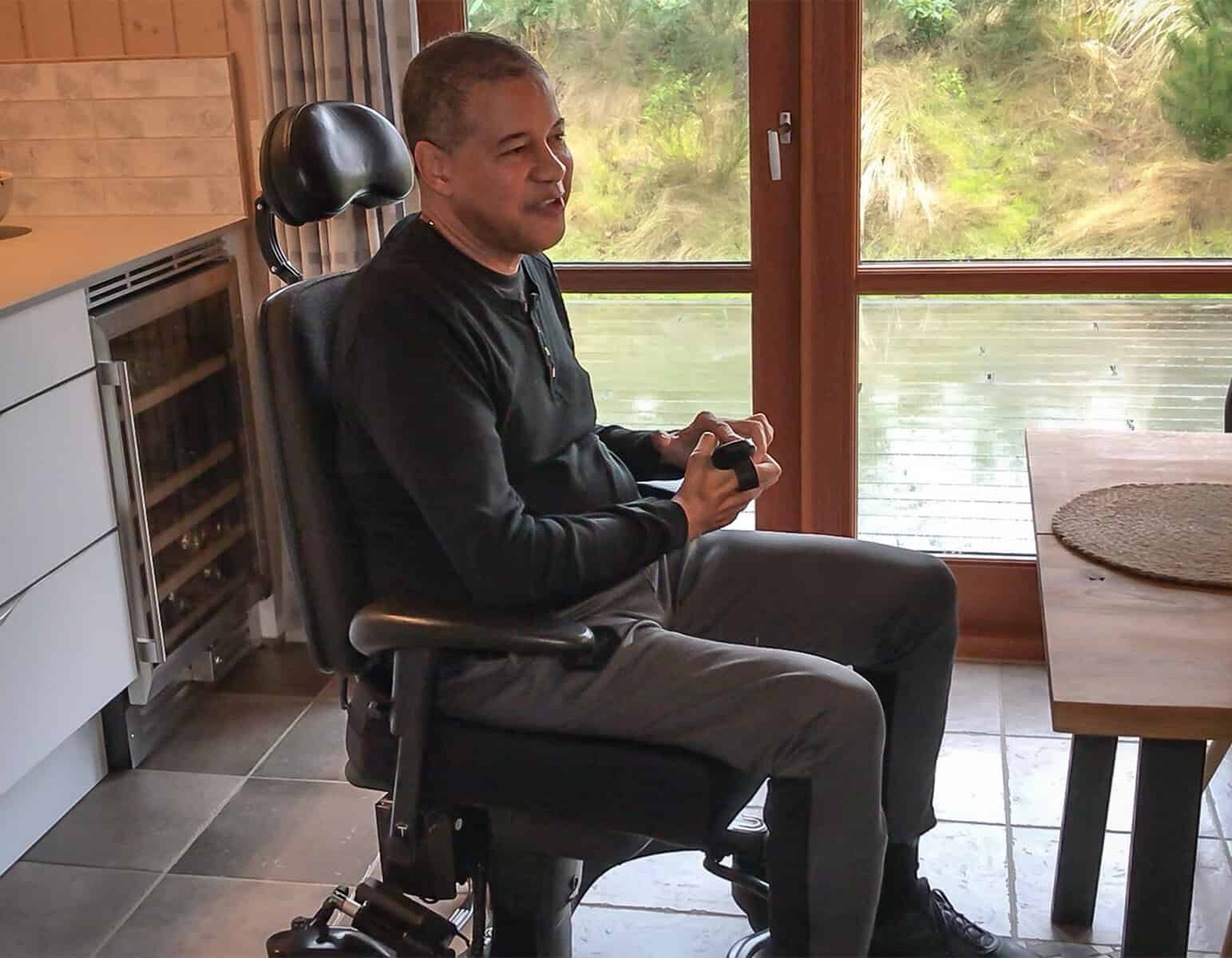
As we consider solutions that help older adults remain independent, the challenges associated with nursing homes become apparent. Many seniors wish to stay in their own homes as long as possible, avoiding the move to nursing facilities. A practical avenue to achieve this independence is through mobility aids like the VELA chair. This medically approved mobility chair is designed for home use, providing enhanced safety and freedom of movement while seated. It supports daily activities such as cooking, dressing, or transferring, all while reducing the physical burden on informal caregivers.
The latest innovations in mobility aids include AI-powered exoskeletons, autonomous wheelchairs, and smart device accessories. Autonomous wheelchair add-ons (such as WheelMove and LUCI), stair-climbing solutions like the XSTO all-terrain chair, and real-time navigation apps showcased at CES 2026 now assist with both indoor and outdoor movement. Health-monitoring wearables integrate directly with these devices to anticipate users’ needs and adapt support in real time, which helps to reduce fall risks and hospital visits. These technologies offer seniors and caregivers new avenues for maintaining independence and well-being, alongside established solutions like the VELA chair.
Ultimately, encouraging independence among seniors requires a comprehensive approach that considers individual needs and capabilities, alongside regular reassessment. As supported by recommendations from Meyland-Smith, families and caregivers are advised to aid seniors in maintaining skills where they remain strong and provide targeted assistance where needed. With tailored environmental modifications, technology integration—including AI monitoring, non-intrusive sensors, cognitive aids, telehealth, and robotic devices—and social support, many seniors can maintain meaningful independence well into their later years, enjoying a dignified and fulfilling life.
Health Dimensions Group,
CES 2026 Assistive Technology Exhibitors
How can mobility solutions like the VELA chair make a difference in the lives of seniors aiming to age in place? These chairs play a critical role in extending the period older adults can remain at home, contributing to physical safety and energy conservation. Essential features such as a central brake for safety, electric height adjustability, and ease of movement while seated offer significant benefits. They allow seniors to engage in everyday activities like meal preparation or relaxation with greater stability and less exertion. Lifting the burden from caregivers, VELA chairs foster a sense of dignity, freedom, and security, which can delay the need for a nursing home. While they’re not the only solution, these chairs are a proven and practical choice for those looking to enhance their home living experience.