

Updated September 2025: We have updated the article with recent advancements in AI-powered assistive devices, the latest holistic care models for dementia (including Montessori-inspired therapies and smart technology), regulatory changes emphasizing value-based care, and new trends in ergonomic design and family engagement support.
Navigating Assisted Living Options for Couples with Dementia
The journey toward assisted living for couples facing dementia is complex and emotionally charged. Every year, a staggering number of elderly individuals and their families grapple with this challenge, a dilemma made tougher by the scarcity of dementia-focused care options that accommodate couples. As the population ages, Alzheimer’s and other dementias affect millions, with numbers expected to rise sharply. According to PubMed, “An estimated 7.2 million Americans age 65 and older live with Alzheimer’s dementia today. This number could grow to 13.8 million by 2060.” This statistic underscores an urgent need for quality assisted living solutions that cater specifically to the unique requirements of couples with dementia.
Defining assisted living for couples with dementia involves understanding both the specialized care needs and the emotional significance of shared living arrangements. Traditionally, assisted living forms a bridge between independent living and more intensive nursing care. However, for couples where one or both partners are experiencing dementia, these environments must offer tailored support. This includes memory care units and staff trained in dementia management. According to Retirement Living, only a modest percentage of facilities offer these specialized units, adding another layer of consideration for families making these critical decisions.
Consider the story of John and Emily, who transitioned into an assisted living community geared toward dementia care. Their chosen facility was equipped to accommodate varying levels of cognitive decline, allowing them to live together and maintain their connection while receiving the personalized support each required.
Tailoring Living Arrangements for Couples with Varied Dementia Care Needs
For couples with dementia, living arrangements can significantly impact their quality of life. Facilities that offer couples’ suites or shared occupancy preserve the relationship dynamics that are often a source of comfort and strength. As highlighted by The Senior List, nearly half of assisted living residents have dementia, necessitating skilled monitoring and care.
Facilities are increasingly implementing innovative practices addressing both individual and shared needs, such as designing environments that minimize confusion and promote social interaction. New trends include personalized care environments shaped by Montessori-inspired programs and sensory-focused therapies such as music and reminiscence activities, which have shown benefits in stimulating memory and improving mood for those living with dementia. These holistic approaches encourage meaningful engagement and promote autonomy while supporting the preservation of couples’ bonds.Morningside House Juniper Communities
Understanding Costs and Payment Strategies for Assisted Living Couples
Financial concerns are inextricable from decisions about senior care. The cost of assisted living, especially with added memory care, can be substantial. The national median cost of assisted living sits around $5,190 per month, according to A Place for Mom. Couples must often prepare to manage both standard living expenses and additional fees for dementia-specific services, which can add $1,000-$1,500 monthly, varying by location and facility enhancements.
Families typically explore a combination of retirement savings, long-term care insurance, and other financial strategies to fund this care. Early planning is crucial, allowing for a smoother transition into assisted living. Increasingly, facilities and regulatory guidelines prioritize value-based care models, such as those endorsed by the CMS and embodied in the GUIDE Model, which integrate services like nutritional support, exercise programs, communication strategies, and family engagement technologies for comprehensive dementia care.Health Dimensions Group
Leveraging Innovations in Memory Care for Enhanced Living
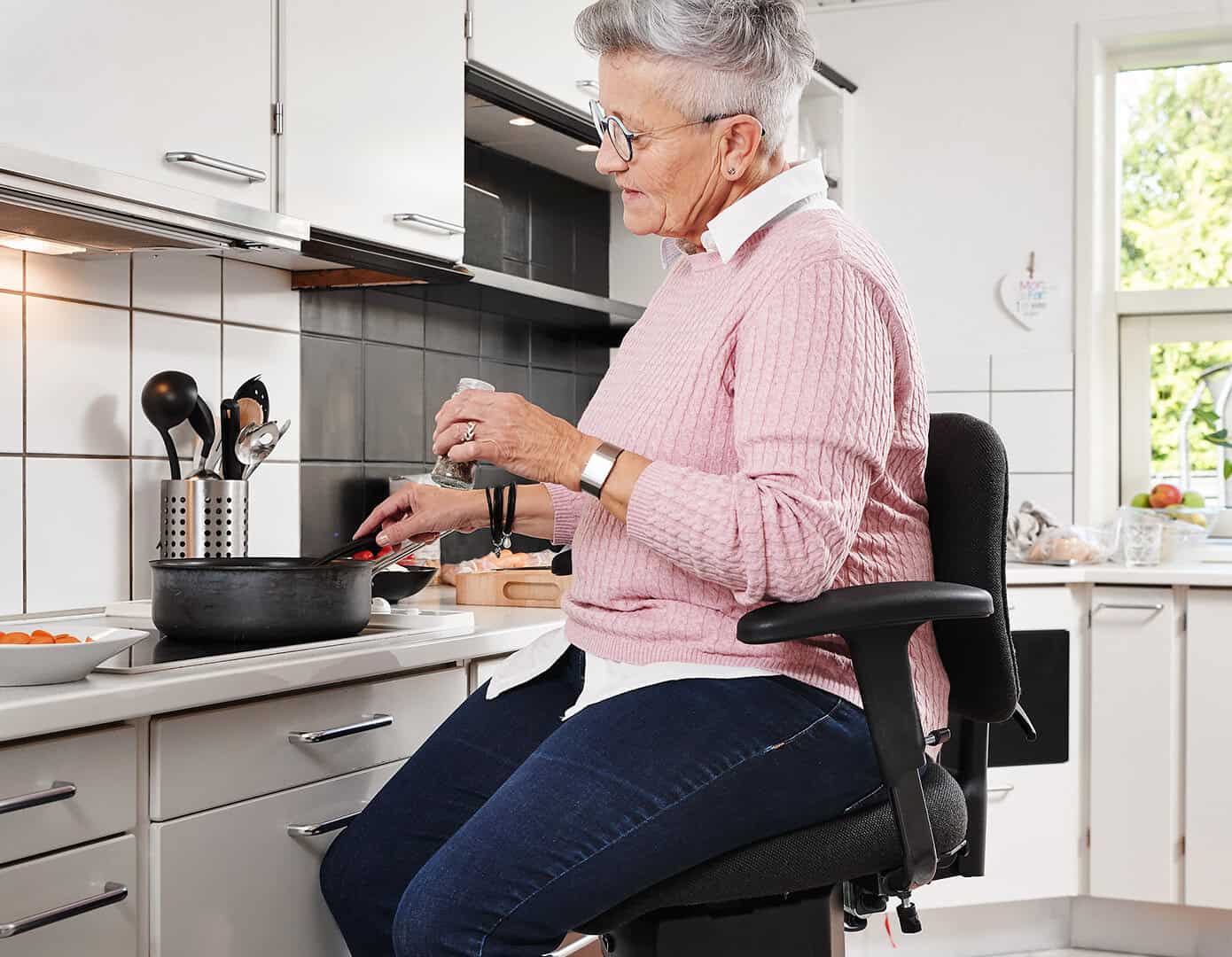
While nursing homes often seem like necessary solutions for managing advanced dementia, they aren’t the only viable option for elderly couples wishing to remain together safely. Instead, focusing on adapting the home environment can help sustain independence for longer. One practical and innovative approach is using tools that aid mobility and safety, such as the VELA Independence Chair. This medically approved mobility chair is designed specifically for home use, providing enhanced safety and freedom of movement for seniors. It supports various daily activities, including cooking, dressing, or transferring, all while alleviating some of the stress placed on informal caregivers.
Technological advancements in memory care continuously redefine quality care for dementia patients. Incorporating assistive technologies into care environments profoundly impacts the daily lives of couples with dementia. In addition to established solutions like VELA chairs, new devices have emerged, such as AI-powered smart glasses with real-time object and facial recognition, navigation help, and voice control, as well as brain-computer interface prosthetics and robotic exoskeletons, offering more intuitive and responsive mobility support.Think Beyond the Chair Equal Accessibility LLC Ability MT Blog Chairs designed to prevent falls, ergonomic keyboards, and adaptive input devices support users with physical and cognitive challenges, extending the period of meaningful independence and interaction for couples living with dementia.assistive chairs that promote autonomy for seniors PMC
Innovative programs are another cornerstone of modern dementia care. Secure environments featuring sensory programming, cognitive therapies, and technology-enabled supports—such as family engagement platforms—aim to boost mental engagement, emotional comfort, and social connection. Family involvement is now supported with real-time apps and other tools that make it easier to stay informed and involved in loved ones’ care, even for solo agers who may lack nearby family; peer support and volunteer advocate programs are increasingly common.South County Mag
The complexities of choosing assisted living for couples with dementia require thoughtful consideration of unique personal needs and financial capacities. Adopting personalized care, innovative technology, and strategic financial planning are vital to crafting fulfilling life experiences for affected couples. As the elderly population grows, so will the need for comprehensive and compassionate solutions. These holistic approaches aim to gracefully balance the delicate blend of care, independence, and financial feasibility, according to The Senior List and A Place for Mom. By doing so, they ensure a dignified quality of life for couples navigating the challenges of dementia.
Supporting Aging in Place: A Practical Option
Embracing mobility solutions like the VELA Independence Chair can significantly enhance seniors’ ability to remain independent at home. With features addressing critical issues such as safety and energy conservation, the chair’s central brake ensures stability, while electric height adjustability facilitates smooth transitions. This functionality can delay the need for nursing home care by providing essential support for everyday activities like cooking and cleaning, extending the period during which seniors can enjoy living independently. New ergonomic and wearable technologies further enhance day-to-day activities for users with physical or dexterity challenges, offering tailor-made solutions to support a variety of needs.Juniper Communities Living with a VELA Chair means reduced risk of falls and less reliance on caregivers, preserving dignity and freedom. Yet, it’s worth noting that while this chair offers a proven and practical solution, it is one among many options available to seniors striving to maintain their autonomy. By choosing such supportive mobility technologies, families can provide their loved ones with safe and comfortable environments at home.