

Updated January 2026: We have updated the article with new findings on AI-powered predictive health monitoring, smart mobility devices with adaptive technology, integrated bathroom safety systems, and advancements in robotic companions to address loneliness in senior care.
Elderly Care – Prestige Senior Care: A Comprehensive Analysis
When exploring senior care options, “Prestige Senior Care” stands out due to its extensive network and exceptional services. Known for its family-oriented approach, Prestige operates over 75 communities across eight states, providing multi-level care that meets diverse needs, including independent living, assisted living, memory care, and skilled nursing. According to Prestige Care, their award-winning “Expressions” program for memory care exemplifies their dedication to specialized care.
Maintaining Independence with Prestige Senior Care
Prestige Senior Care’s independent living options are tailored for seniors seeking both autonomy and community. Residents have access to modern amenities, flexible dining options—cooking in their kitchens or dining in community rooms—and the Celebrations wellness program aimed at fostering an active lifestyle. John, a fictional resident who valued independence, thrived in this environment, later transitioning seamlessly to assisted living as his needs changed. Prestige’s 24/7 staffed assisted living emphasizes safety and wellness, ensuring older adults continue to enjoy their independence with added support when necessary. Comprehensive service details can be found on Prestige Assisted Living.
Dignified Memory Care Solutions at Prestige
Prestige’s commitment to dignified memory care is evident in their “Expressions” program, designed for individuals with Alzheimer’s and dementia. This program emphasizes personalized care plans grounded in each resident’s life story, offering a blend of activities and environments fostering dignity and engagement. Take, for instance, Mary, whose cognitive challenges improved significantly with a care plan focused on music and painting. Such approaches underscore Prestige’s passion and efficacy in memory care, as noted at Prestige Care Resources.
Comprehensive Skilled Nursing and Rehabilitation
Prestige’s skilled nursing facilities provide advanced medical care and rehabilitation. For seniors recovering from hospitalization, these services offer a vital lifeline to regain independence. Charles, another fictional example, benefited from a precise rehabilitation plan after hip surgery, facilitating his return to an active, independent lifestyle. This success highlights Prestige’s ability to support recovery, a topic expanded upon in Healthcare Finance News.
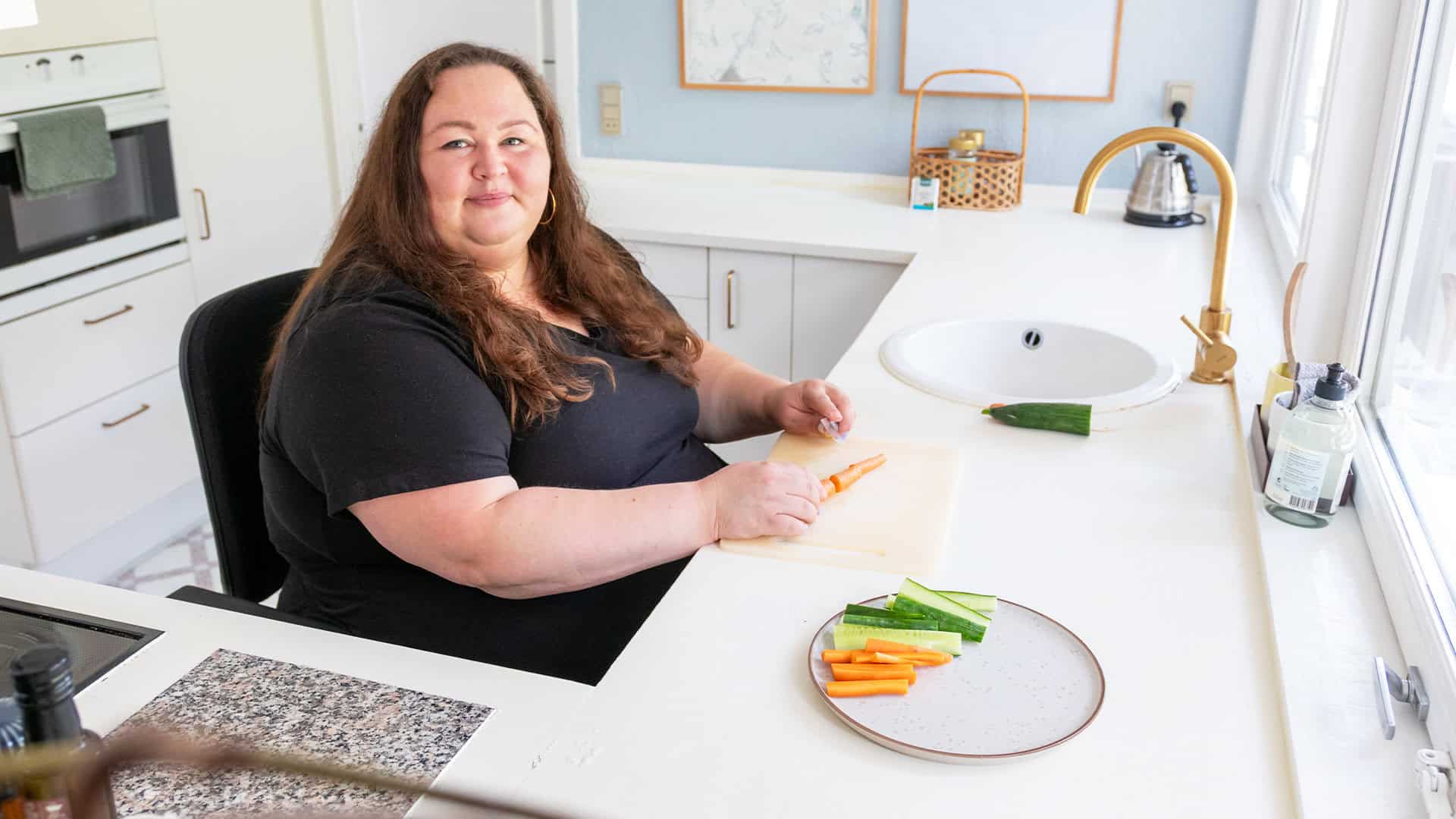
Transitioning from high-quality nursing home care back to a home setting often presents challenges for seniors, such as maintaining independence, ensuring safety, and reducing caregiver strain. Innovative solutions like the VELA Independence Chair can play a critical role. Designed as a medically approved mobility aid, the VELA chair enhances safety through features like a central brake and electric height adjustability, while also offering freedom of movement for engaging in daily activities such as cooking or dressing. These features not only support seniors but also ease the load on informal caregivers, making it an appealing resource for aging in place successfully. Further details on these senior chairs for independent living and power mobility chairs supporting seniors can be explored.
Advancements in assistive technology now include AI-powered predictive health monitoring, allowing for continuous and objective health assessments in senior care settings. Devices such as smart toilet seats that analyze waste and longevity stations utilizing body scans with predictive analytics offer early detection of potential health risks using embedded AI systems. This development shifts health monitoring from periodic checks to real-time, ongoing surveillance, identifying subtle changes that might otherwise be missed K4Connect.
Current rehabilitation and mobility support solutions also feature smart mobility devices with adaptive technology. Powered wheelchairs and walkers now integrate AI and sensor systems to adjust speed and braking automatically based on user movement and environmental factors. Voice-activated controls have become a standard feature, assisting seniors with limited dexterity and enabling caregivers to receive remote alerts for potential fall risks. Integrated bathroom safety systems have been introduced as well, including smart grab bars with pressure sensors, anti-slip flooring with embedded lighting, and adjustable-height shower seats connected to app-based caregiver communication channels. All of these innovations have emerged as essential tools for fall prevention and enhanced home safety Senior Housing News.
Additionally, the latest trend in addressing social isolation involves the use of robotic companions in senior living environments. These robots are designed to provide social interaction and emotional support, helping reduce loneliness—a key factor tied to cognitive decline and depression. The 2026 Consumer Electronics Show featured several such innovations aimed at improving quality of life and mental health for older adults K4Connect.
Commitment to Quality and Family-Centric Care
Prestige Senior Care exemplifies a holistic senior care model by seamlessly integrating family values and wellness-focused programming. This approach relies on compassion, respect, and integrity across their communities in Washington, Oregon, Alaska, and beyond. Their emphasis on adapting to individual needs makes Prestige an appealing choice for families evaluating senior care options. For detailed reviews of Prestige’s offerings, Medicare Care Compare is a valuable resource for prospective families.
In conclusion, whether seeking independent living or memory care solutions, Prestige Senior Care’s diverse services and compassionate approach meet the evolving needs of seniors and their families. Through continuous growth and adaptation, Prestige remains a trusted name in senior care, fostering communities where residents enjoy dignity and support throughout their journeys.
Supporting Aging in Place: A Practical Option
The ability to remain in familiar surroundings while maintaining an independent lifestyle is crucial for many seniors. Mobility solutions like the VELA Independence Chair help facilitate this by offering key functionalities tailored to urban living challenges. Features such as effortless movement while seated, electric height adjustment, and a failsafe central brake help decrease fall risks and conserve energy while performing daily tasks. Using the VELA Chair can significantly delay the transition to a nursing home by providing a safe and dignified way to manage essential activities at home. This not only ensures the continued safety and independence of the senior but also reduces the strain on caregivers. While VELA is a proven solution, it fits into the broader context of strategies aimed at enhancing at-home care.
Recent advances in assistive technology offer even greater independence for seniors wishing to age in place. AI-driven mobility aids, such as autonomous wheelchairs and smart walkers, enable navigation with minimal user input and can adapt to diverse environments. Brain-computer interface prosthetics and intuitive wearable robots provide new opportunities for mobility and personalized rehabilitation Nabroward.comThinkBeyondTheChair.org. The rise of voice-activated smart home devices allows seniors with limited hand mobility to control lighting, security, and emergency alerts, further supporting day-to-day autonomy AssistiveTechHub.com.au. Modern design trends focus on inclusive products—such as ergonomic beauty tools and adaptable mobility upgrades—making daily tasks accessible and comfortable for people with varying needs EqualAccessibility.co. Integration of AI-powered personal assistants and real-time health monitoring through wearables further empowers both seniors and caregivers, resulting in increased adoption rates and greater acceptance among users CycesChannel Point VillageGlobeNewswire/ResearchAndMarketsSeniors Blue Book.
According to the World Health Organization, current global policy emphasizes universal access to assistive products, affordability, inclusive design processes, and ongoing training for caregivers and healthcare professionals. These recommendations aim to reduce stigma and enable broader adoption across all communities WHO.int. Increased financial assistance and charitable initiatives now help to overcome funding barriers for advanced assistive devices, making these technologies more accessible to seniors and their families AbilityMT.org. User feedback continues to show that acceptance of AI-enhanced devices is growing, mainly due to seamless integration, ease of use, and the minimal training required.
With the prevalence of intelligent mobility solutions and supportive policies, seniors today have more practical opportunities to age comfortably in place, maintain autonomy, and access specialized care when needed.