

Updated January 2026: We have updated the article with the latest research on AI-driven predictive monitoring, robotic assistive devices, smart home integrations, and virtual rehabilitation for seniors. The article now features innovations such as robotic exoskeletons for balance, AI-enhanced fall detection, policy-backed telehealth, and non-invasive caregiving tools. New authoritative references about these trends and expanded caregiver technology support have also been added.
Senior Care Manager in St. Simons Island, GA: Comprehensive Guide
As the landscape of aging in America evolves, the demand for specialized care intensifies—especially in tranquil locales like St. Simons Island, Georgia. This charming coastal community attracts an increasing number of retirees seeking serene living environments. Given the projection that by 2030, all baby boomers will have reached the age of 65 or older—comprising one-fifth of the American population—the necessity of professional geriatric care management cannot be overstated, as emphasized by Elder Law Georgia. Professionals like senior care managers play a pivotal role in enhancing the quality of life for their aging clients.
Understanding the role of geriatric care managers in St. Simons Island
Geriatric care managers (GCMs) act as crucial bridges in senior care, linking families and service providers. These experts often have backgrounds in nursing, social work, or gerontology, and serve as “professional relatives” when geographical distances separate families from their loved ones. According to Keystone Health, GCMs are vital in performing thorough needs assessments and crafting detailed care plans.
Their responsibilities extend beyond initial evaluations:
- Developing and adjusting care plans: Personalized care pathways ensure unique needs are met for each client.
- Service coordination: GCMs seamlessly manage multiple care services.
- Family education: They offer vital resources and guidance, empowering family members to provide effective care.
- Advocacy: Acting as staunch advocates, they prioritize the needs and wishes of seniors.
Technology adoption is increasingly important in supporting GCM responsibilities. The latest assistive devices and technologies now include AI-powered smart wheelchairs with GPS navigation, collision avoidance, voice control, remote access, and Bluetooth connectivity. Wearable health trackers serve as personal health navigators, offering real-time analytics and fall detection, while also helping caregivers monitor vital signs remotely. Smart home automation and companion robotics are enhancing safety, independence, and engagement in daily routines Cyces, MyCareConcierge, ButterflyMX, CaringData, Peters Creek, LeadingAge, AANP, Provider Magazine.
Wearable technologies are now commonly paired with AI analytics to predict falls and detect early health declines. Non-invasive sensors such as smart waste analysis and connected toilets provide early disease detection, while voice-activated safety systems increase trust and ease of use for seniors and caregivers. Integration of these tools is further supported by expanding hybrid and virtual rehabilitation, leveraging AI-enabled motion tracking for personalized at-home therapy and exercise plans, especially for clients with mobility impairments AANP, LeadingAge, Provider Magazine.
These innovations are supported by recent guidelines and regulations that prioritize integration of digital health, telehealth expansion, and connected care ecosystems. Telemedicine is now a critical part of senior care, reducing travel requirements and enabling timely medical interventions, especially for those with mobility challenges HBR Healthcare, Cyces, AANP. User feedback and clinical studies highlight improved quality of life, better care coordination, and greater acceptance and satisfaction with these advancements CaringData.
Increasingly, AI-based caregiver tools are also deployed to streamline care coordination and address staffing shortages, helping care managers manage caseloads more effectively while preserving personalized oversight Provider Magazine. Real-life applications of these roles become evident when families, often residing across various states or countries, seek consistent care for their aging relatives.
Navigating dementia care with geriatric expertise
The increasing occurrence of dementia adds layers of complexity to senior care. Geriatric care managers specializing in dementia are indispensable in these scenarios. As highlighted by A Place for Mom, these professionals provide families with effective tools for managing progressive cognitive conditions.
Specialized dementia care includes:
- Safety protocols: Implementing environmental modifications to enhance safety, leveraging new smart technologies and sensors for early alerts and fall prevention.
- Communication techniques: Training families in effective interaction strategies.
- Memory care coordination: Facilitating access to advanced therapies, remote monitoring, and connected care platforms to address cognitive health.
Modern memory care settings now emphasize ergonomic, sensory-friendly design with calm colors, structured layouts, and comforting routines to promote independence and emotional well-being. Companion robots and smart environmental controls help foster engagement and a sense of autonomy for those living with dementia Juniper Communities, HBR Healthcare.
Rehabilitation and cognitive engagement now frequently incorporate virtual and hybrid tools, including VR-based programs and AI-driven therapy at home, personalizing memory and mobility support. The latest recommendations for inclusive design also recognize smart home adaptations (such as accessible stairlifts, auto-lighting, and sensory-friendly spaces) to safeguard cognitive and physical health outcomes Juniper Communities, LeadingAge. Consider a local family’s journey as they transitioned their loved one to a memory care facility, with the GCM playing a key role in smoothing the process.
Selecting a qualified geriatric care manager in St. Simons
Finding a qualified geriatric care manager involves understanding markers of expertise:
- Credentials: Verify if the manager holds relevant qualifications, such as nursing or social work licenses.
- Local resources: The Georgia Department of Human Services is a valuable resource for identifying qualified candidates, as noted by Aging Georgia.
Current regulations for assisted living and care management have evolved in 2025 and 2026, with new government policies impacting staffing, Medicare Advantage, and compliance standards. Providers must stay informed about these policies and technology-supportive guidelines that raise care quality benchmarks and promote the integration of digital solutions for safety and independence CLA Connect, Cyces, AANP.
Caregiver AI platforms, remote monitoring, and telehealth are now essential components for meeting regulatory requirements and ensuring optimal care. A success story might feature a family utilizing guidance from the local Area Agency on Aging to locate a care manager who becomes an invaluable family advisor.
Enhancing elderly independence with VELA mobility solutions
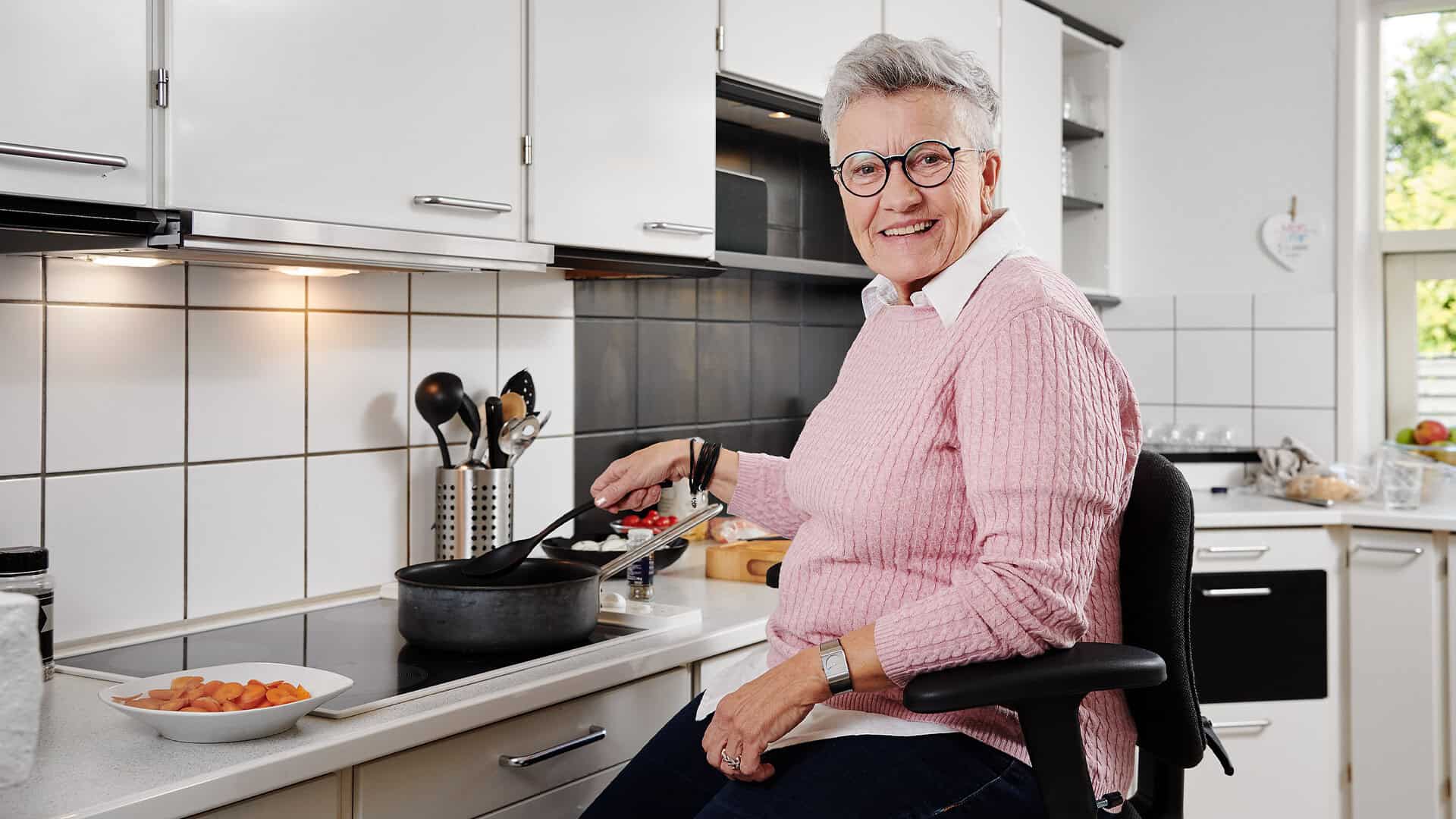
When considering options to enhance aging adults’ autonomy, particularly when nursing homes may present challenges, solutions that empower seniors to remain independent at home are invaluable. The VELA mobility chair, a medically approved mobility solution, is tailored for the home environment. It enhances safety, provides freedom of movement while seated, and supports daily activities such as cooking, dressing, or transferring. This not only maintains senior independence but also reduces the burden on informal caregivers.
Innovations in mobility aids—including VELA and new-generation smart wheelchairs featuring AI-powered navigation, collision avoidance, voice control, and health monitoring—are revolutionizing the field. These advanced devices support users’ independence and safety, can be customized via mobile apps, and often integrate with wider home automation systems. Wearable technologies and connected care networks allow caregivers to monitor seniors’ well-being and provide timely assistance, further reducing risks and supporting daily self-sufficiency Everything Medical Online, MyCareConcierge, Cyces, Peters Creek, LeadingAge, AANP, Provider Magazine.
Wearables have now evolved into personal health navigators, providing continuous monitoring for vitals, sleep quality analysis, and improved fall detection accuracy CaringData, AANP, Provider Magazine. Smart home systems, including voice assistants, environmental controls, and lighting, further extend a senior’s independence, aligning with the latest guidance on inclusive product and home design Cyces, LeadingAge.
Recent breakthroughs include wearable fall prevention systems, AI-analyzed waste sensors for early disease prediction, and robotic exoskeletons supporting balance and mobility training at home AANP, LeadingAge, Provider Magazine. These solutions not only enable aging in place but also build trust among users and caregivers by being non-invasive and personalized.
Seniors preferring to stay at home face challenges that can lead to nursing home placements if not addressed. Mobility solutions like the VELA chair and advanced smart aids can significantly impact an individual’s capacity to live safely and independently over longer periods. With features like a central brake for safety, electric height adjustability, and ease of movement while seated, the VELA chair enhances daily living activities. This includes cooking, cleaning, or simply relaxing with added peace of mind. Imagine the ease of maneuvering around the kitchen with reliable mobility solutions for the kitchen, addressing both safety and energy concerns. While not the sole product available, VELA exemplifies a practical tool that facilitates independent living at home, extending the time before a nursing home might become necessary. Regardless of personal choice, embracing such solutions offers dignity, freedom, and energy conservation to seniors, promoting their well-being in cherished environments.
References
- Elder Law Georgia. Role of Geriatric Care Manager in Dementia Care.
- Keystone Health. Geriatric Care Manager Role & Responsibilities.
- A Place for Mom. Geriatric Care Manager: What You Need to Know.
- Aging Georgia. Resources for Seniors.
- Cyces. AgeTech Trends 2025: AI, Robotics & the Future of Aging.
- MyCareConcierge. How Technology will Transform Senior Care in 2025.
- HBR Healthcare. The Future of Senior Living: Trends to Watch in 2025.
- ButterflyMX. Senior Living Technology Trends 2025: Shaping the Future.
- Everything Medical Online. The Latest Trends in Mobility Aid Technology for 2025.
- Juniper Communities. Senior Living Trends in 2025.
- CLA Connect. Senior Living and Care: Four Key Drivers of Activity in 2025.
- CaringData. Technology in Senior Care: How Innovation Is Transforming Care.
- Peters Creek. The Role of Assistive Technologies in Senior Care.
- LeadingAge. 3 Trends in Senior Care Technology.
- AANP. Top Five Health Care Trends for 2026: How New Technology Is Transforming Patient Care.
- Provider Magazine. Long Term Care 2026 Trends and Outlook.