

Updated October 2025: This article now reflects the latest advances in AI-powered assistive devices, robotics for senior care, expanded telemedicine services, new ergonomic and rehabilitation technologies, inclusive design strategies, and current regulatory and market trends supporting independence at home.
Total Senior Care: Comprehensive Solutions for Aging at Home
As the number of elderly individuals in our population increases, the need for strategies that allow them to remain at home while accessing necessary support is critical. “Total senior care” embodies a holistic approach, blending medical, personal, and social support services. Programs like the Program of All-Inclusive Care for the Elderly (PACE) have shown significant success. A study in the Journal of the American Medical Association (JAMA) indicates that these programs reduce hospitalizations for seniors with chronic conditions. According to the National Institute on Aging, such services enhance quality of life and extend the independence of older adults.
What Is Total Senior Care and Who Qualifies?
Total senior care is tailored for seniors, often those aged 55 and above, who aim to live independently at home. Qualification generally requires meeting health criteria, such as managing chronic conditions or needing help with daily activities. Services encompass medical care, medication management, social activities, and transportation. For more information, visit Total Senior Care.
Profile Example: Mary, a PACE participant, begins her day with a nurse check-up for medication and vitals. Later, she attends social activities at her community center, maintaining engagement with the support of comprehensive medical backing.
Comparing Total Senior Care: Home Care vs. Assisted Living
Choosing between home care and assisted living depends on personal needs and preferences.
- Home Care: Suited for those preferring familiar home environments. Offers tailored medical and support services. Recent advancements include the accelerated integration of AI-driven assistive technologies, robotics, and enhanced smart home automation. AI-powered wearables now provide comprehensive and real-time monitoring for health indicators such as heart rate, sleep quality, and fall detection. Robotic aids and smart home ecosystems using multimodal sensors (including radar and thermal imaging) facilitate proactive health management, emergency response, and daily task assistance. These innovations enhance accessibility and provide seamless connections to virtual healthcare professionals.1234
- Assisted Living: Proposes a structured setup with immediate social and medical support, ideal for those needing regular assistance.
Case Study: John transitioned from home care to an assisted living facility due to worsening mobility. The structured routine and on-call staff have increased his security and provided peace of mind.
How Do PACE Programs Work? Eligibility, Benefits, and Costs
PACE programs offer a cost-effective senior care model that integrates care types and covers costs mainly through Medicare and Medicaid. These programs have fostered better health outcomes among seniors and reduced hospital visits. Visit the Centers for Medicare & Medicaid Services for more details.
Success Story: Gerald, from Western New York, attributes his improved health post-stroke to a PACE program. A coordinated team, including physical therapists and social workers, crafted a personalized care plan enhancing his life quality.
What to Expect from Your Senior Care Team
A dedicated care team is vital in providing seamless medical and personal support. Typically, it includes doctors, nurses, social workers, and aides working collaboratively to meet all care needs. Modern care teams can now leverage advanced technology such as AI-enhanced wearable devices for responsive health monitoring, robotics to assist with mobility and daily activities, and sophisticated smart home systems featuring multi-modal, non-intrusive monitoring sensors. Telemedicine is now deeply integrated and widely adopted, allowing for ongoing virtual assessments and enabling real-time health data sharing within connected care networks. These innovations support more proactive and personalized interventions, improving safety and health outcomes.123
Experience Example: Following her hip surgery, Linda’s care team facilitated her home recovery. Their regular check-ins and physical therapy sessions ensured a smooth rehabilitation while minimizing rehospitalization risks.
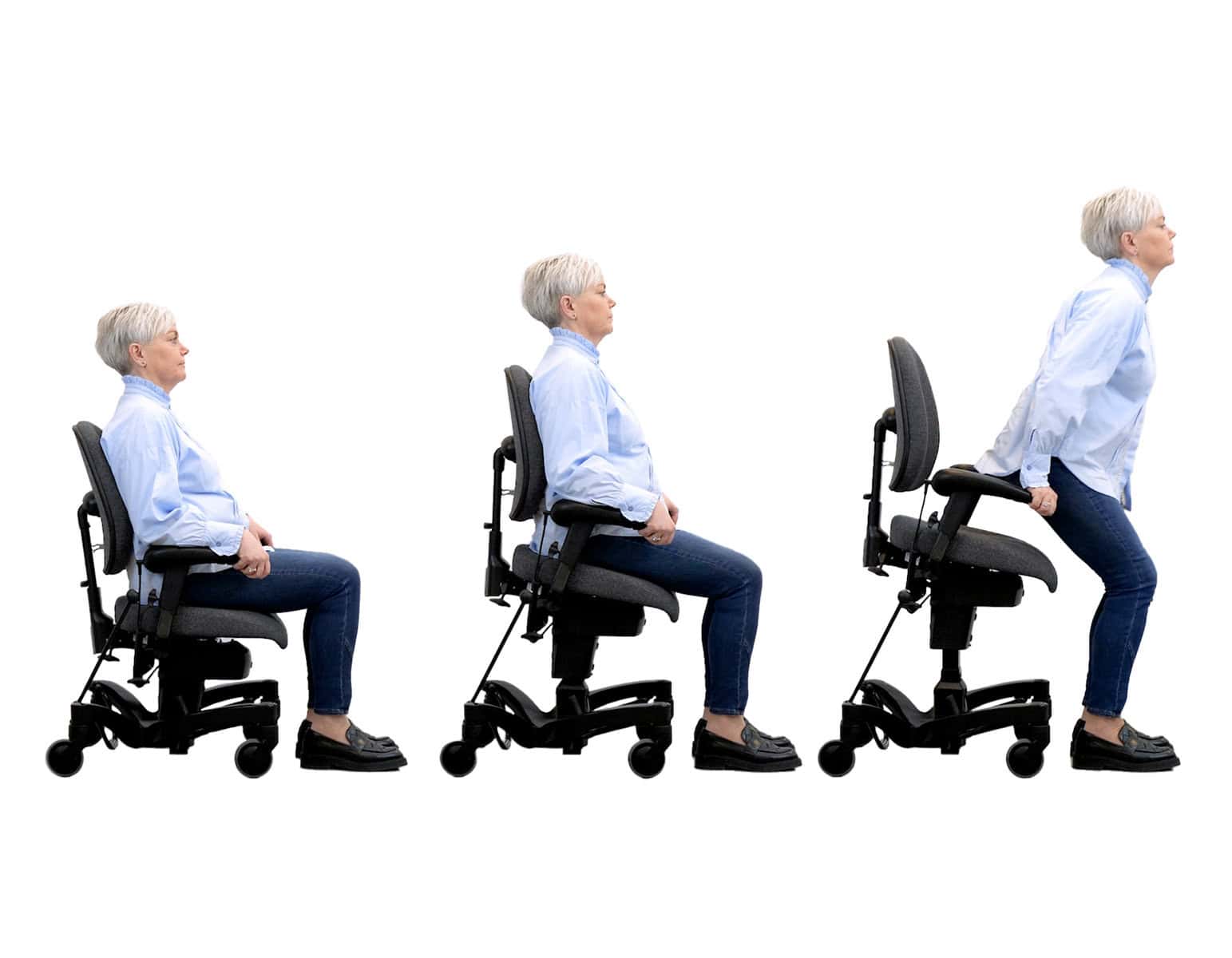
For individuals comparing the advantages of aging at home versus in a nursing facility, challenges like fall risks and mobility issues are foremost. Effective solutions center on maintaining independence while ensuring safety. Adaptive equipment like VELA mobility chairs offers one such resolution. VELA chairs are medically approved for home use, providing enhanced safety, freedom of movement while seated, and support for daily tasks like cooking, dressing, or transferring—all crucial for reducing the caregivers’ load and protecting the senior’s quality of life. The latest generation of mobility aids now incorporates AI and sensor technologies, allowing for improved stability and adaptive support tailored to each user’s mobility pattern.46
Balancing Independence and Comprehensive Care for Seniors
In summary, total senior care is crucial for seniors wishing to uphold their independence with comprehensive support. Programs like PACE effectively balance independence with necessary aid, adapted to individual needs. The National Institute on Aging confirms that embracing these holistic methods enables seniors to live fulfilling lives without jeopardizing care or safety.
Comprehensive care management coupled with practical adaptations like VELA chairs empowers seniors to live securely and independently, fostering a high quality of life for the elderly and their families. Today, assistive technologies including AI-powered wearables, voice-activated assistants, medication reminder platforms, and cognitive support tools such as intelligent brain training apps and social connectivity applications are widely available. Innovative examples include embedding assistive tools in familiar home devices like smart TVs, which promotes acceptance and enhances social connection.57 These solutions encourage both autonomy and safety while supporting physical and cognitive well-being in the least intrusive way.6
Ongoing regulatory and market developments are shaping the future of total senior care. Increased attention is being paid to data security, interoperability, and user-centered design. Smart home devices, advanced medical alerts, and innovative mobility aids are receiving more investment and regulatory backing in support of aging-in-place models.8
Staying Independent at Home with Support
For seniors eager to maintain autonomy, chairs designed for senior home care like the VELA mobility chair serve as transformative tools. Essential features such as a central brake system enhance home safety, reducing fall risks significantly—key for sustaining independence. The chair’s electric height adjustability supports easy transfers, while its ergonomic design promotes comfort through daily activities such as cooking or relaxing. The ability to move effortlessly while seated enables seniors to conserve energy, delaying the need for institutional care. Additionally, reducing the physical demands on family caregivers bolsters overall support networks, ultimately enabling seniors to age gracefully in familiar surroundings. While VELA offers proven practical benefits, today’s senior care landscape also features unobtrusive AI-enabled monitoring, multimodal smart sensors, intelligent robotics for rehabilitation, and digital communication platforms designed inclusively within everyday technology. These collective advances maximize independence, privacy, and well-being for seniors at home.17