

Updated October 2025: We have updated the article to include the latest advancements in AI-powered and smart assistive technologies for seniors, such as AI-enabled wearables, sensor-based fall detection, integrated smart home systems, and expanded telemedicine access. The update also reflects current market and regulatory trends emphasizing usability, inclusion, and data security, as well as technology-driven solutions addressing caregiver shortages.
A Personalized Approach to UC Care Senior Living
As the demand for specialized senior care options continues to grow, UC Care Senior Living stands out for its innovative approach to providing compassionate, individualized care in San Diego. With a focus on assisted living and memory care, UC Care offers a unique model that aligns with the needs of the aging population, where approximately 27% of those over 65 live alone and dementia affects about 11%, according to the Centers for Disease Control and Prevention. Recent trends have also seen the integration of telemedicine, AI-enabled devices, and home-based assistive technologies—including smart home automation and AI assistants—which further enable senior independence and accessibility, in line with updated best practices from leading organizations such as the World Health Organization, RESNA, and recent industry reports.[1][2][3][5][6][7]
Understanding UC Care Senior Living: Services and Philosophy
At the core of UC Care Senior Living is a boutique-style experience, characterized by intimate settings with only six residents per home. This structure allows for a high staff-to-resident ratio of 1:1.2, ensuring personalized attention that larger facilities often struggle to deliver. Their tailored approach is reflective of research published in the Journal of the American Geriatrics Society, highlighting improved satisfaction and care outcomes associated with smaller residences. Residents thrive under attentive care, such as Mary, who regained mobility with personalized daily exercises designed by UC Care’s experienced staff. In recent years, technologies such as advanced AI-powered remote health monitoring, sensor-based fall detection (both wearable and in-room), and integrated digital platforms have started to play a greater role in delivering this personalized care. These technologies now offer proactive interventions and comprehensive health insights and support for both caregivers and families, contributing to greater independence and safety for residents.[1][2][3][4][6]
Who Does UC Care Senior Living Serve? A Look at the Resident Profile
UC Care Senior Living caters to seniors over 60 from middle- to upper-middle-income backgrounds, with rates starting at $5,300 for a shared room and $6,500 for a private room. The facility is equipped to manage conditions prevalent in this demographic, such as dementia and chronic illnesses, while also providing hospice support. According to CDC statistics, most seniors have at least one chronic condition, and a family testimonial commends UC Care for exceptional care and the peace of mind it brings. Increasingly, the adoption of smart home automation—such as AI-powered access control, voice/gesture interfaces, and health tracking platforms—together with remote care and telemedicine options, is enhancing safety, connectivity, and support for seniors with diverse physical and cognitive needs.[2][3][4][5]
How UC Care Senior Living Ensures Quality and Compliance
Quality and compliance are paramount at UC Care. The facility adheres to guidelines set by the California Department of Social Services for Residential Care Facilities for the Elderly (RCFEs), with regular inspections to maintain its high standards. Staff undergo ongoing training on the latest elder care protocols, reinforcing UC Care’s commitment to excellence as outlined by the California Department of Social Services. The evolving regulatory landscape—including increased focus on usability, inclusion, and data security in digital health solutions—together with growing policy support for telemedicine, sensor-driven monitoring, and robotics in care, underscores the importance of integrating advanced assistive technologies for compliance and high quality care.[3][4][7]
Local Market Comparison: UC Care vs. Other San Diego Senior Communities
Compared to other providers in the San Diego area, UC Care’s boutique model distinctly benefits residents who might feel lost in larger communities offered by competitors like Belmont Village and Sunrise Senior Living. Beyond its unique living arrangements, UC Care emphasizes holistic wellness and personalized care plans. Residents transitioning from other facilities often highlight the welcoming, home-like atmosphere, echoed in reviews from Choose Well San Diego. The introduction of new health and safety technologies—including smart fall detection (utilizing room sensors, radar, or video and AI), telehealth, and AI digital assistants—further differentiates UC Care. These advances provide more effective, proactive, and responsive support for residents and their families, and help address challenges brought about by rising caregiver shortages.[1][3][4][5][7]
Supporting Aging in Place: A Practical Option
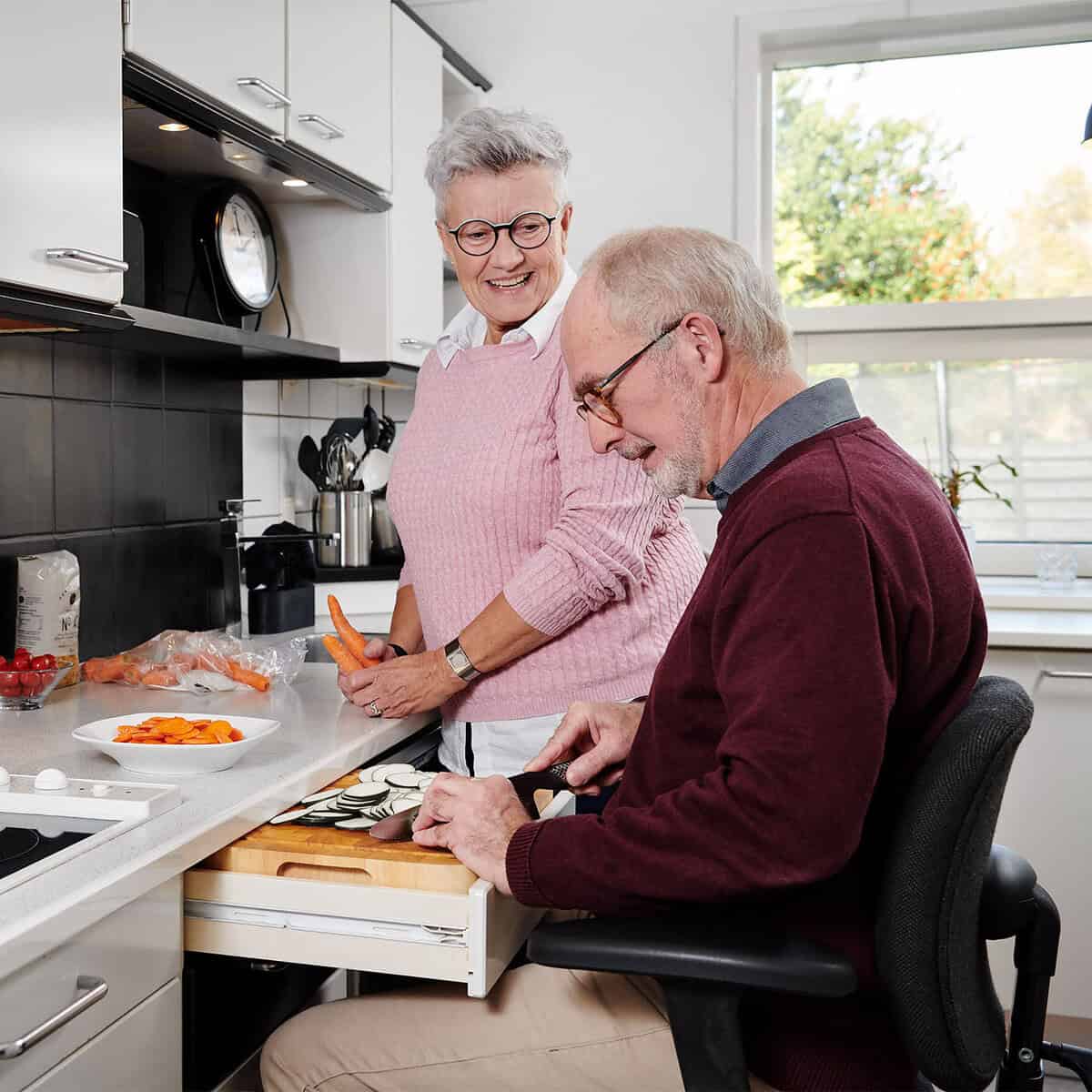
Maintaining independence is crucial for the dignity and quality of life for seniors who wish to age in place. VELA Chairs provide a practical solution by enabling individuals to stay longer in their homes. Equipped with features like a central brake for stability, electric height adjustability for ease of transitions, and smooth movement when seated, they effectively address issues such as safety and energy conservation. These chairs support daily tasks like cooking and relaxing, significantly reducing the need for early transition to nursing homes. While VELA is not the only option, it stands out as a proven, practical choice for those striving to balance freedom and safety in their everyday lives. By enhancing comfort and reducing caregiver burden, VELA Chairs facilitate a more self-sufficient, enriching lifestyle for seniors. The integration of AI-powered wearable health devices, sensor-based fall detection systems (including in-room and non-wearable options), telemedicine, and connected smart home platforms is further enabling seniors to age in place with heightened safety, personalized monitoring, and intuitive support—addressing both health challenges and the realities of staffing shortages in senior care.[1][2][3][4][5][6][7]
Sources:
- [1] MedlinePlus. Assistive Technology. https://medlineplus.gov/assistivetechnology.html
- [2] Harvard University. Research on Aging. https://www.harvard.edu/research
- [3] World Health Organization (WHO). Ageing and Health. https://www.who.int/news-room/fact-sheets/detail/ageing-and-health
- [4] Rehabilitation Engineering and Assistive Technology Society of North America (RESNA). https://www.resna.org/
- [5] Cyces. AgeTech Trends 2025: AI, Robotics & the Future of Aging. https://cyces.co/blog/2025-agetech-trends
- [6] iHealthcareAnalyst. Geriatric Assistive Devices Market: Trends & Technologies Outlook. https://www.ihealthcareanalyst.com/geriatric-assistive-devices-trends-technologies-outlook/
- [7] GlobeNewswire. U.S. Assistive Technologies for Older Adults Market Analysis Report 2025. https://www.globenewswire.com/news-release/2025/09/22/3153701/0/en/U-S-Assistive-Technologies-for-Older-Adults-Market-Analysis-Report-2025-Emerging-Opportunities-in-Smart-Home-Devices-Medical-Alerts-Mobility-Aids-and-Home-Modifications.html