

Updated October 2025: We have updated the article to include the latest advancements in AI-powered assistive devices, wearable robotic rehabilitation, inclusive ergonomic and age-friendly designs, expanded telehealth and remote care options, updated regulatory guidelines, and best practices addressing digital literacy and equitable access to personalized senior care technology.
The Rise of Unique Senior Care: Catering to Diverse Needs
As the U.S. senior population is projected to reach 80 million by 2040, there is an increasing demand for unique senior care solutions tailored to the diverse preferences and needs of an aging population. According to McKnight’s Senior Living, this emphasizes the necessity for innovative care strategies. The rise of chronic diseases and the growing phenomenon of solo aging contribute to diverse care requirements. Addressing these needs is crucial as we progress toward more inclusive elder care.
Exploring Modern Senior Living: Beyond Traditional Models
Shifting from traditional to more personalized and flexible senior living models is vital. Studies by LCSNet indicate an increasing popularity of alternatives like “Cozy Homes” and intergenerational communities. One example is Broadview at Purchase College, where the integration of students and seniors promotes enriching intergenerational experiences. These residential models not only offer housing but also foster meaningful connections and opportunities for lifelong learning.
Navigating Financial Realities: Affordable Senior Care Solutions
Financial planning poses a significant challenge for middle-income seniors. As highlighted by The Senior List, many baby boomers and Gen X individuals are not adequately prepared for retirement. Solutions like à la carte service models and cost-effective market-rate housing provide flexible alternatives. These options enable seniors to customize their care services according to immediate needs and budgetary limits, balancing costs effectively while maintaining essential benefits.
Empowering Seniors with Technology: A Path to Independence
Technological advancements are increasingly crucial in promoting independent senior living. Recent progress marks a transformative leap with widespread integration of artificial intelligence (AI) into assistive devices, creating dynamic, adaptive, and highly personalized support for older adults. These AI-powered systems now provide real-time assistance tailored to the needs of individuals with mobility and cognitive challenges, including voice-controlled smart devices for daily routines, emergency response, and advanced fall detection. (PMC – AI Integration in Assistive Technologies, Connected Nation, Lets Envision).
Rehabilitation for seniors has advanced through the introduction of AI-enabled exoskeletons and wearable robots that optimize personal movement and deliver real-time feedback to support mobility. Innovations such as wearable sensors and dynamically adaptive exoskeletons enhance gait rehabilitation and can be used for home-based, self-managed therapy. Such devices are complemented by cognitive support tools including brain-training wearables and cognitive therapy apps, which have been shown to reduce anxiety and support memory, speech, and planning. (The Good Life SV, ARHomeCare).
The technology landscape for seniors now features highly inclusive and ergonomic designs that adjust to varying levels of user ability. Sensor-embedded wearables monitor individual health metrics, and smart captioning glasses provide speech-to-text and multi-language translation for users with hearing or cognitive difficulties. Cognitive and behavioral assistance tools help address daily planning, medication management, and social engagement. Assistive beauty devices such as L’Oréal SYNC facilitate independence for individuals with reduced motor function. (ConnSense Report).
Smart home-based safety solutions and remote health monitoring have rapidly evolved, supported by telehealth integration. Non-intrusive platforms now offer real-time health, fall, and medication adherence alerts to caregivers without compromising user privacy. These digital tools provide continuous monitoring and seamless communication with healthcare professionals, reducing the need for hospital visits and supporting effective chronic disease management. As telehealth becomes more accessible and robust, seniors benefit from easier and faster medical consultations directly at home. (Seniors Blue Book, WHO Europe).
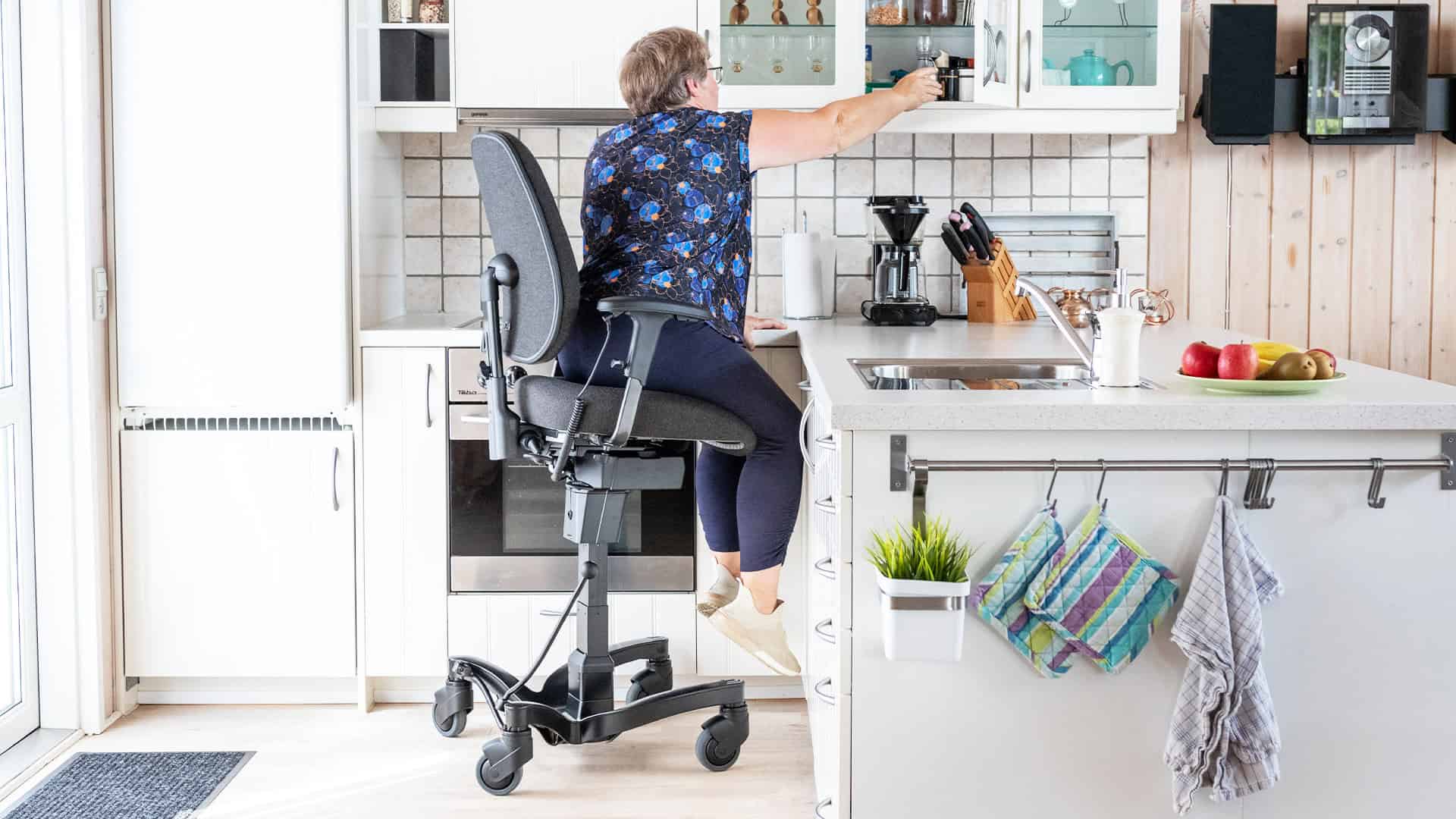
As traditional nursing home care presents challenges such as limited personal space and independence, innovative solutions like aging-in-place products are crucial for helping older adults maintain autonomy at home. The VELA Independence Chair remains a medically approved mobility chair designed for home use, providing enhanced safety and freedom of movement. These solutions complement advances in digital and AI-enabled assistance, supporting daily activities such as cooking, dressing, and transferring and reducing the strain on informal caregivers. Importantly, user-friendly, age-friendly design and digital literacy training have become key to increasing accessibility and technology adoption among seniors. New regulatory and market frameworks, such as those recommended by the World Health Organization in 2025, further promote widespread use and equitable access to assistive devices. (Connected Nation, Assistive Technology Industry Association, WHO Europe).
Building Strong Networks: Support for Solo Agers
Solo agers, or seniors without immediate family support, face unique challenges requiring a community-based approach. Insights from McKnight’s Senior Living highlight the importance of structured legal and financial support. Solo agers can benefit from engaging with community programs and legal advisors to establish meaningful networks and secure their future independently. Digital connectivity and targeted support initiatives, supported by new AI-driven and adaptive technologies, further empower solo agers by strengthening community ties and providing access to timely, individualized assistance (Connected Nation, Assistive Technology Industry Association).
Summary: Pioneering Avenues in Senior Care
The unique senior care landscape is evolving through personalization, innovation, and the integration of AI-powered assistive technologies. By embracing AI-enabled assistants, adaptive rehabilitation robotics, cognitive support wearables, real-time captioning, and privacy-friendly remote safety monitoring, care providers can further enhance seniors’ independence, safety, and well-being (ConnSense Report, Lets Envision, PMC – AI Integration in Assistive Technologies). Updated regulatory and health authority recommendations support the integration of AI-enabled devices as part of comprehensive, equitable, and accessible care strategies for supporting independence and dignity in later life (PMC – National Library of Medicine, Assistive Technology Industry Association, WHO Europe). Ongoing focus on digital literacy, user-centered age-friendly design, and policy-driven inclusion remains essential for broad adoption and positive outcomes in senior care.
How Mobility Solutions Like VELA Make a Difference
Mobility solutions such as the VELA Independence Chair are instrumental in helping seniors remain independent longer in their own homes. The chair’s central brake ensures safety, while its electric height adjustability and ease of movement while seated address concerns like energy conservation and efficient transfers. This practical design not only safeguards the user’s freedom and dignity but also significantly delays the potential need for nursing home care. For many, life with a VELA Chair means maintaining daily routines such as cooking, cleaning, and relaxing with greater ease and assurance. While VELA is not the only solution available, it is a proven option among aging-in-place solutions for daily activities, promoting autonomy and reducing caregiver burdens.
Sources:
- Connected Nation. How Technology is Enhancing the Well-Being of Older Adults (Feb 2025).
- PMC (National Library of Medicine). The Role of Assistive Technology in Enabling Older Adults to Independent Living (Jul 2024).
- PMC. AI Integration in Assistive Technologies and Healthcare (Mar 2025).
- Lets Envision. Future of Assistive Technology & AI Assistants in 2025 (Dec 2024).
- AskSAMIE. Innovative Assistive Technology for Seniors in 2025 (Dec 2023).
- ConnSense Report. 13 CES 2025 Award-Winning Assistive Tech Innovations (Feb 2025).
- Assistive Technology Industry Association. AT Innovations for Education, Employment, and Independent Living (June 2025).
- ARHomeCare. 7 Must-Have Assistive Devices for Elderly Parents in 2025 (2025).
- Seniors Blue Book. A Guide to Useful Technology for Older Adults in 2025 (2025).
- The Good Life SV. 2025 AgeTech Showcases the Latest Technology for Seniors (March 2025).
- WHO/Europe. WHO launches new guide to help shape assistive technology markets (June 2025).